
Plants
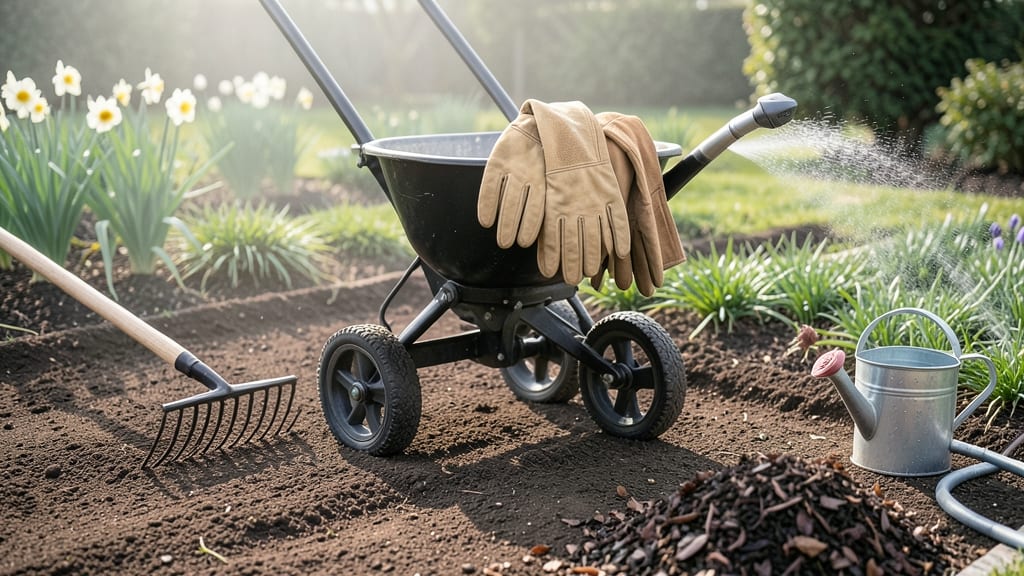
When is a good time to plant grass seed in the spring? Timing your grass seed planting in spring can make or break your lawn's success—and getting it right means avoiding those frustrating, patchy results we've all seen. The key isn't just throwing seeds into the dirt; it's about understanding when your soil is ready to work with you.
In Zone 6a, the sweet spot typically falls between 4-6 weeks before your last frost date, which for most areas means late March to early April. This window gives seeds time to germinate before summer heat sets in, but planting too early risks frost damage.
I'll show you exactly how to read your soil's temperature cues and regional frost-free windows to maximize your fast germination.
You might think "early spring" means January, but that's a common mistake. The real magic happens when soil warms to 50°F–75°F, creating the perfect environment for seeds to sprout within 7-21 days. Let's break down the science behind these numbers and how to prepare your lawn for success.
Whether you're seeding a new lawn or repairing bare spots, these insights will help you avoid costly errors. From soil prep to watering schedules, I'll walk you through every step to ensure your grass seed takes root quickly and grows strong—no guesswork required.
Optimal soil temperature & frost-free window for spring grass seed germination
Timing your grass seed planting in spring isn’t just about avoiding frost—it’s about hitting the ideal soil temperature window of 50°F to 75°F for germination. Too early, and seeds may rot; too late, and summer heat stresses young sprouts.
The 4-6 week frost-free window before your last frost date is your sweet spot.
For most regions in the USDA Zone 6a (like my home in the Midwest), this means planting between early March and mid-April. But don’t guess—check your local frost dates and adjust accordingly.
For example, Southern states can plant as early as February, while Northern regions may need to wait until late April.
Here’s the science: Grass seeds germinate best when soil temps consistently stay above 50°F. Below that, growth slows dramatically. Above 75°F, seeds dry out before sprouting. Use a soil thermometer to confirm—it’s the only way to be sure.
🌱Pro Tip: If your soil is cold but frost-free, cover seeds with a lightweight row cover to trap heat and speed up germination by 3-5 days.
🌱 Spring Grass Seed Planting Timeline
| Stage | Action | Soil Temp |
|---|---|---|
| 4-6 Weeks Before Last Frost | Prepare soil, test pH | Below 50°F |
| 2-3 Weeks Before Last Frost | Aerate, loosen soil | 40-50°F |
| Planting Window | Sow seeds, cover lightly | 50-75°F |
| Germination | Keep moist, protect from wind | 55-70°F |
| Establishment | Reduce watering, mow at 3" | 60-80°F |
Regional variations matter. In cooler climates (like the Pacific Northwest), aim for late March to early April when soil warms to 55°F. In warmer Southern states (e.g., Texas or Florida), you can plant as early as February, but avoid late spring—summer heat can kill young grass.
🌡️Warning: If your area experiences late spring frosts (like my zone’s occasional April freeze), wait until soil temps stay above 50°F for 5+ days before planting. A frost blanket can save seedlings if temps dip.
For cool-season grasses (like Kentucky Bluegrass or Fescue), early spring is ideal—they germinate faster in 50-65°F soil. Warm-season grasses (like Bermuda or Zoysia) need to wait until soil hits 65-75°F, typically late April to May.
💡Quick Check: Press your hand into the soil—if it feels warm but not scorching, it’s likely in the ideal 50-75°F range. Pair this with your local frost-free date (find it via the National Weather Service), and you’ve got the perfect window.
Once you’ve nailed the timing, the next step is soil prep—but that’s a topic for our next section. For now, mark your calendar for 4-6 weeks before your last frost, grab your soil thermometer, and get ready to plant when conditions are just right.
Optimal soil temperature & frost-free window for spring grass seed germination
Spring grass seed germination hinges on two critical factors: soil temperature and the frost-free window. Planting too early risks frost damage, while waiting too long can lead to summer heat stress.
The sweet spot? Soil temps between 50°F and 75°F—ideal for most grass varieties to sprout within 7–21 days.
For cool-season grasses (like fescue or ryegrass), aim to plant 4–6 weeks before your last frost date. Warm-season grasses (like Bermuda or Zoysia) prefer after the last frost, once soil hits 65°F+.
Check your USDA Zone for precise timing—Zone 6a (like many northern states) typically targets mid-March to early April.
| Factor | Cool-Season Grasses | Warm-Season Grasses |
|---|---|---|
| Ideal Soil Temp | 50°F–65°F | 65°F–75°F |
| Planting Window | 4–6 wks before last frost | After last frost |
| Germination Time | 7–14 days | 14–21 days |
| Risk Zone | Frost damage | Heat stress |
Regional differences matter! In Zone 5 or colder, plant late April to early May to avoid late frosts. Southern Zone 7+ can start as early as February for cool-season grasses. Always monitor weekly temperature forecasts—a sudden cold snap can derail your lawn’s progress.
Pro tip: Use a soil thermometer ($10 at garden centers) to confirm temps before planting. Bury it 4 inches deep in a shady spot for the most accurate reading. If temps dip below 40°F at night, delay planting until conditions stabilize.
Once you’ve nailed the timing, focus on consistent moisture—keep soil damp (not soggy) for the first 2–3 weeks. A light mulch of straw can help retain moisture and protect tender sprouts from temperature swings.
Remember: Patience is key. Grass seed needs time to establish roots before facing summer heat or winter dormancy. With the right timing, you’ll see uniform germination and a lawn that thrives all season long. 🌱