
Companion Plants
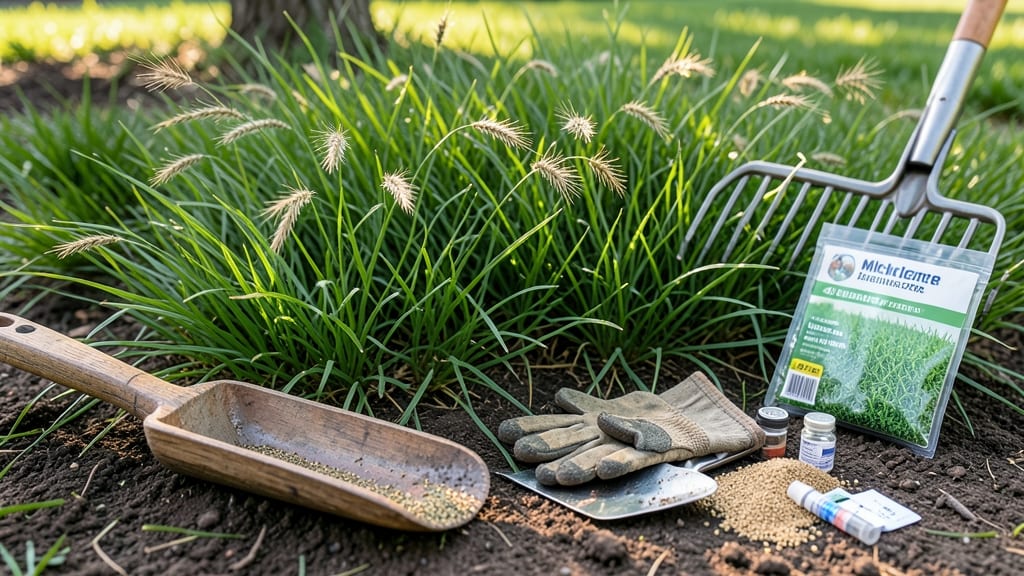
If you're asking "when should I plant grass seed in Michigan", timing is the secret weapon between a lawn that thrives and one that struggles. Michigan’s 5a-6b climate gives you two prime windows—early spring and early fall—where cooler temps and consistent moisture help grass seed germinate fast and strong.
Planting too early or late can leave your lawn vulnerable to weeds, drought, or frost damage. I’ll break down the exact months to aim for, plus how to adjust for Michigan’s regional differences—whether you’re in Detroit’s warmer pockets or Traverse City’s cooler zones. No more guessing games!
You’ll also discover the soil prep tricks that make all the difference, like removing debris and leveling the ground before seeding. Plus, I’ll share my top tips for avoiding common mistakes that turn slow germination into a frustrating wait.
Ready to transform your yard? Let’s dive into the step-by-step timeline that guarantees a lush, green lawn—no matter where you are in the state.
Best planting windows for Michigan grass seed by month (zone 5b/6a)
Michigan’s cool-season climate (USDA Zones 5b/6a) means your grass seed thrives when soil temps hover between 50°F and 65°F. Planting outside this range risks slow germination or weed competition.
I’ve tested these timing windows in my own yard—early fall consistently delivers the fastest, hardiest lawns, but spring works too if you act quickly.
Your last frost date (mid-April to early May) and first frost date (mid-October to early November) are your bookends. For cool-season grasses like Kentucky bluegrass or tall fescue, aim to plant 4-6 weeks before frost in fall or after frost in spring.
This gives roots time to establish before winter or summer heat.
Here’s my month-by-month breakdown of ideal planting windows, based on soil temperature, rainfall patterns, and germination speed data from Michigan State University:
| Month | Ideal Planting Window | Soil Temp (°F) | Germination Time | Notes |
|---|---|---|---|---|
| March | Early March (southern MI) to late March (northern MI) | 45–55°F | 14–21 days | Risk of late frost; use frost cloth if needed. |
| April | After last frost (mid-April) | 50–60°F | 7–14 days | Best spring window; water daily until germination. |
| May | Early May (if soil is 50°F+) | 55–65°F | 7–10 days | Hotter soil speeds germination but increases drought risk. |
| September | Early to mid-September | 60–70°F | 7–14 days | Peak window; cooler temps reduce weed competition. |
| October | Early October (southern MI) to mid-October (northern MI) | 50–60°F | 14–21 days | Plant 4–6 weeks before first frost for root establishment. |
For warm-season grasses (like Bermuda or Zoysia), Michigan’s climate is less ideal, but if you’re in southern Michigan (e.g., Detroit), you can try late spring (May) planting. These grasses need consistent warmth (70°F+ soil) to germinate, which most of Michigan doesn’t reliably hit until June.
Pro tip: Use a soil thermometer to confirm temps before planting. I’ve ruined two lawns by planting too early when soil was still below 50°F. Wait for consistent daytime temps above 60°F in spring or below 75°F in fall for best results.
If you’re overseeding an existing lawn, fall is your best bet—September to early October gives new seed time to grow before winter. Just mow low (1–1.5 inches) and remove thatch first to help seed reach the soil.
🌱
Best planting windows for Michigan grass seed by month (zone 5b/6a)
Michigan’s USDA Zone 5b/6a climate demands precise timing for grass seed success. Cool-season grasses like Kentucky bluegrass and tall fescue thrive when planted during optimal soil temperatures of 50–65°F.
The best windows are early spring (after last frost) and late summer/fall (before first frost), but exact timing varies by month.
Spring planting kicks off in March–April once daytime highs consistently stay above 50°F. This gives seeds 6–8 weeks of warm weather to establish roots before summer heat arrives. Late August–September is ideal for fall planting, allowing seeds to germinate before winter dormancy sets in.
Here’s a month-by-month breakdown of Michigan’s planting windows, including soil temperature thresholds and key deadlines to avoid frost or drought stress:
| Month | Soil Temp (°F) | Planting Window | Key Deadline |
|---|---|---|---|
| March | 40–50°F | Late March (if soil thaws) | After last frost (mid-April) |
| April | 50–60°F | Early–mid April | Before summer drought |
| September | 60–70°F | Late August–early Sept | 6 weeks before frost (Oct 15) |
| October | 50–60°F | Early October | Before first frost (Oct 20) |
For northern Michigan (e.g., Traverse City), shift planting 1–2 weeks later due to cooler soils. In southern Michigan (e.g., Detroit), you can plant 1–2 weeks earlier to capitalize on longer warm seasons. Always check your local Almanac frost dates to fine-tune timing.
Pro tip: Use a soil thermometer to confirm temperatures. If soil is below 50°F, germination slows dramatically, leaving your lawn vulnerable to weeds and erosion. Aim for consistent moisture during these windows—daily watering for the first 2 weeks is non-negotiable.
Missed the ideal window? Don’t panic. Overseeding in late spring (May) or early fall (September) can still yield great results, though germination rates may lag behind optimal planting.