
Plants
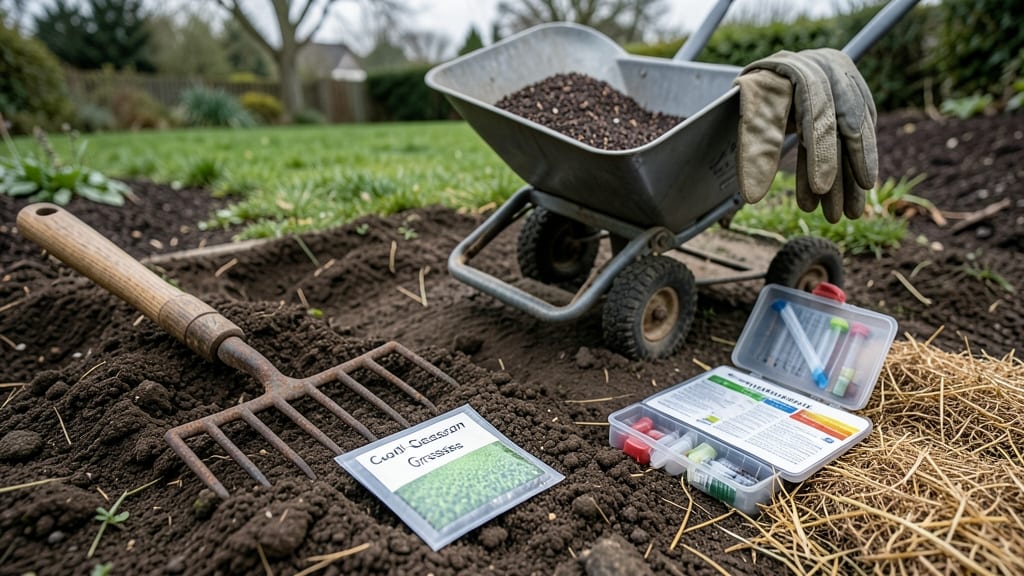
The best time to plant grass seed in Illinois isn’t just about picking a month—it’s about catching that sweet spot when soil temperatures and weather align for fast germination and root growth. Skip this window, and you might end up with patchy lawns or wasted seed, no matter how hard you work.
Illinois’ USDA Zones 5-7 mean your timing depends on whether you’re in northern or southern Illinois, but the golden rule is simple: aim for when soil temps hit 50°F in spring or 60°F in fall.
That’s your green light to plant—before that, and frost or dry spells can sabotage your efforts.
I’ve seen firsthand how a 2-week difference can mean the difference between a lush lawn and a frustrating do-over. Whether you’re seeding a new yard or repairing bare spots, knowing these triggers saves time, money, and frustration. Let’s break down exactly when to plant for optimal results in your region.
From preparing your soil to choosing the right seed mix, every step matters—but getting the timing right is the foundation. Ready to turn your lawn dreams into reality? Let’s dive into the best planting windows for Illinois’ climate.
Optimal Illinois grass seed planting windows by month: soil temperature rules for fast germination
In Illinois, the best time to plant grass seed depends on soil temperatures and seasonal conditions. Cool-season grasses like Kentucky Bluegrass and Tall Fescue thrive when soil temps are between 50°F and 65°F, while warm-season grasses like Bermuda need 65°F to 75°F.
Illinois’ USDA Zones 5-7 mean timing varies slightly between northern and southern regions.
Spring planting in Illinois typically starts after the last frost date, usually around mid-April. However, soil temperatures must stay consistently above 50°F for at least 7-10 days before planting.
Fall planting, another ideal window, begins in late August to early September and continues until mid-October, allowing grass to establish before winter dormancy.
Northern Illinois (Zones 5) often waits until late April or early May due to colder soils, while southern Illinois (Zones 6-7) can start as early as March.
Always check a soil thermometer—it’s the most accurate way to confirm readiness. If soil temps dip below 50°F, germination slows dramatically, and seeds may rot.
For fastest germination, aim for 55°F to 65°F soil temperatures. This range ensures seeds sprout within 7-14 days rather than weeks. In Illinois, this usually aligns with late April to early June for spring and September to early October for fall.
Avoid planting when daytime highs exceed 85°F, as this stresses young seedlings.
🌱 Illinois Grass Seed Planting Windows by Season
| Season | Best Months | Soil Temp Range (°F) | Grass Types | Germination Time |
|---|---|---|---|---|
| Spring | Late April–Early June | 50°F–65°F | Cool-season (Kentucky Bluegrass, Tall Fescue) | 7–14 days |
| Fall | Late August–Mid-October | 55°F–65°F | Cool-season (Perennial Ryegrass, Fine Fescue) | 10–21 days |
| Summer (Warm-season) | Late May–Early July | 65°F–75°F | Warm-season (Bermuda, Zoysia) | 14–28 days |
⚠️ Note: Summer planting is riskier due to heat stress and drought. Always water deeply twice daily.
If you’re in northern Illinois, prioritize fall planting—it’s often more reliable than spring due to fewer late frosts. Southern Illinois gardeners have more flexibility but should still avoid July and August when heat and drought stress seedlings.
For warm-season grasses, plant in late May to early June when soil is consistently warm.
To check soil readiness, use a soil thermometer (available at garden centers for ~$10). Insert it 2 inches deep in the ground and monitor temps for 3–5 days. If temps fluctuate wildly, wait a week or two. Consistency is key—grass seeds need stable conditions to germinate efficiently.
Rainfall also plays a critical role. Illinois’ spring and fall are typically moist, but drought conditions can delay germination. If your area is forecasted for dry weather, plan to water deeply twice daily for the first 2–3 weeks after planting.
A light mulch (like straw) helps retain moisture without smothering seeds.
For fastest results, combine ideal timing with proper seed selection. In Illinois, Tall Fescue and Kentucky Bluegrass blends are popular for their drought tolerance and cold hardiness. If you’re planting in shady areas, opt for Fine Fescue, which germinates well in cooler, less sunny conditions.
Remember, overseeding (adding seed to an existing lawn) follows the same timing rules. If your lawn is thin, fall is the best time to overseed—it gives new grass time to establish before winter. Just rake the area lightly to expose soil and improve seed-to-soil contact.
How to prepare your Illinois lawn for grass seed success: soil tests, weather checks, and pre-planting steps
Preparing your Illinois lawn for grass seed is half the battle—skipping this step can lead to poor germination and patchy growth. Start by testing your soil pH, which should ideally be between 6.0 and 7.0 for most grass types.
If your soil is too acidic or alkaline, amend it with lime or sulfur 4-6 weeks before planting to give it time to adjust.
Next, clear the area of debris, weeds, and rocks—even small pebbles can create uneven surfaces where seeds won’t make contact with the soil. Use a rake to level the ground, ensuring a smooth seedbed.
If your lawn has compacted soil, consider aerating in the weeks leading up to planting to improve water and root penetration.