
Plants
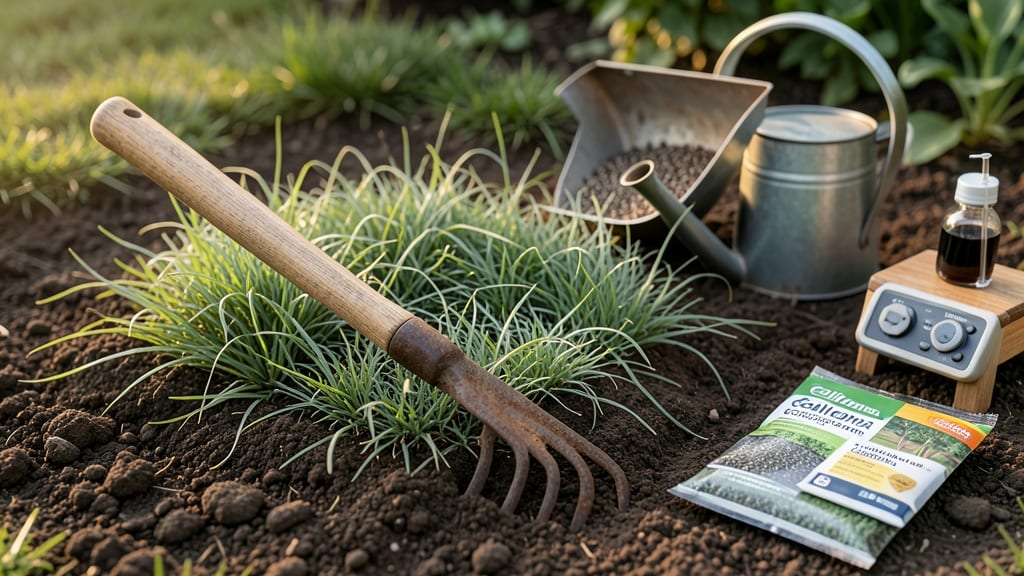
Planting your 🌱 Grass Seed (Turfgrass) at the wrong time in California can turn your lawn dreams into a costly disappointment—especially when you consider the state’s wild swings from coastal fog to scorching inland heat.
The best time isn’t just about picking a season; it’s about matching your microclimate to the perfect window for fast, resilient growth.
Let’s cut to the chase: early fall (September–October) and late winter (February–March) are your golden months, but the devil’s in the details. Coastal areas thrive with cooler temps, while inland valleys and desert regions need slightly adjusted timing to avoid drought stress or heat shock.
I’ll break down exactly what works for your specific corner of California.
Why does timing matter so much? Because fast establishment depends on soil moisture, temperature, and rainfall—all of which vary wildly across the state. Skip the summer months entirely (unless you’re overseeding drought-resistant varieties), and you’ll save yourself headaches down the road. Here’s how to nail it.
You’ll learn the critical mistakes to avoid, from planting too early (when weeds take over) to ignoring frost dates (yes, even in SoCal). Plus, I’ll share soil prep secrets and watering hacks to turn your seed into a lush lawn in 4–6 weeks—no guesswork required.
California’s 5 best grass-seeding months by microclimate (coastal vs. valley vs. desert)
California’s climate isn’t one-size-fits-all, and neither is the best time to plant grass seed. From the cool coastal fog of San Francisco to the scorching desert heat of Palm Springs, each region demands a tailored approach.
I’ve broken down the optimal planting windows for California’s three main microclimates—coastal, valley, and desert—so you can choose the perfect timing for your lawn’s success.
In coastal regions like Northern California, the ideal window stretches from late September to early October. Here, mild temperatures and consistent moisture create perfect conditions for cool-season grasses like fescue and ryegrass to germinate without stress.
The foggy coastal climate also reduces evaporation, giving seeds a fighting chance even if you’re a few weeks early.
For the Central Valley, including Sacramento and Fresno, aim for mid-October to early November.
This timing avoids the late-summer heat spikes that can bake seeds before they sprout. Warm-season grasses like Bermuda or Buffalo grass thrive here, but planting too early risks heat stress, while waiting too long may mean winter dormancy before roots establish.
Desert areas like Palm Springs and Joshua Tree have the shortest window: late August to early September.
The key is to beat the monsoon rains that can wash away seeds or cause fungal diseases. Drought-tolerant grasses like Tall Fescue blends are your best bet, but even they need consistent moisture during germination.
Here’s how these regions compare at a glance—use this as your quick reference before grabbing that seed bag:
| Region | Best Planting Months | Soil Temp Ideal | Grass Types | Key Risk |
|---|---|---|---|---|
| Northern Coast (San Francisco, Eureka) | Late Sept–Early Oct | 60–70°F | Tall Fescue, Ryegrass | Coastal fog delays germination |
| Central Valley (Sacramento, Fresno) | Mid-Oct–Early Nov | 65–75°F | Bermuda, Buffalo Grass | Late-summer heat stress |
| Desert (Palm Springs, Joshua Tree) | Late Aug–Early Sept | 70–80°F | Tall Fescue Blends | Monsoon rains wash seeds away |
If you’re outside these windows, don’t panic—just adjust for your local last frost date. For example, in Southern California (Zone 10a), you can stretch seeding into early December if you’re planting cool-season grasses.
Always check your USDA hardiness zone and monitor soil temperatures with a thermometer (aim for 60–75°F for germination).
Pro tip: Early fall is my top recommendation because it gives seeds time to establish before winter rains or summer drought stress them out. Plus, cooler temps mean less water evaporation, so your seeds stay moist longer—critical for California’s unpredictable weather.
For late starters, don’t despair. You can still plant in late winter (February–March), but be prepared for slower growth until temperatures rise. Just avoid summer planting at all costs—heat and drought will turn your seeds to dust before they sprout.
🌱
How to prepare your soil and seed for fast germination in California’s climate
Preparing your soil and grass seed correctly is half the battle for a thriving California lawn. The state’s diverse climates—from foggy coasts to scorching valleys—demand tailored prep work. Start by testing your soil pH; most grasses thrive in 6.0–7.0.
If your soil is too acidic or alkaline, amend it with lime or sulfur 4–6 weeks before planting. Coastal areas often need extra organic matter, while inland soils may benefit from gypsum to break up clay.
Next, focus on soil aeration. Use a core aerator to create ¼-inch holes 2–3 inches deep, especially in compacted areas. This helps seeds make contact with moist soil and encourages root development.
For slopes or erosion-prone spots, consider hydroseeding or a starter fertilizer with phosphorus to boost early growth. In desert regions, pre-water the soil to a depth of 6 inches 24 hours before planting to prevent seed desiccation.
🌱 Key Pre-Planting Steps for California
- Test soil pH (aim for 6.0–7.0)
- Aerate compacted soil (coastal/valley areas)
- Pre-water 6 inches deep (desert regions)
- Choose seed mix for your climate (cool-season vs. warm-season)
- Apply starter fertilizer (high phosphorus)
Choosing the right grass seed is just as critical as soil prep. Cool-season grasses like tall fescue or ryegrass dominate California’s coastal and mountain regions, while warm-season varieties such as Bermuda or Buffalo grass excel in the Central Valley and desert.
For water-restricted areas, opt for drought-tolerant blends like fine fescue or dichondra. Always check the seed label for germination rates—aim for 85%+ for reliable growth.
After selecting your seed, protect it from birds and wind by spreading a straw mulch (¼ inch thick) over the area. This retains moisture and shields seeds from UV damage during California’s intense summer sun. In coastal fog zones, avoid mulching too heavily to prevent fungal growth.
Water lightly twice daily (morning and late afternoon) for the first 7–10 days, then taper to once daily until germination (usually 7–21 days, depending on the variety).
One often-overlooked step is weed control before planting. Apply a pre-emergent herbicide 2 weeks before seeding to block weeds, but skip this if using organic methods. Instead, hand-pull weeds or lay cardboard over the area for 4–6 weeks to smother them.
Post-planting, avoid post-emergent herbicides for 8 weeks to protect young grass. In desert regions, irrigate with drip systems to minimize water waste and ensure even moisture distribution.
Finally, monitor your lawn’s progress closely. If germination slows after 2 weeks, check for soil crusting (a hard top layer) and gently rake the area. In cooler microclimates, extend the watering schedule to 3 weeks to encourage deeper roots.
Once grass reaches 3–4 inches, mow at 3–4 inches height to strengthen stems and reduce weed competition. With proper prep, your California lawn will establish 30–50% faster than average.