
Companion Plants
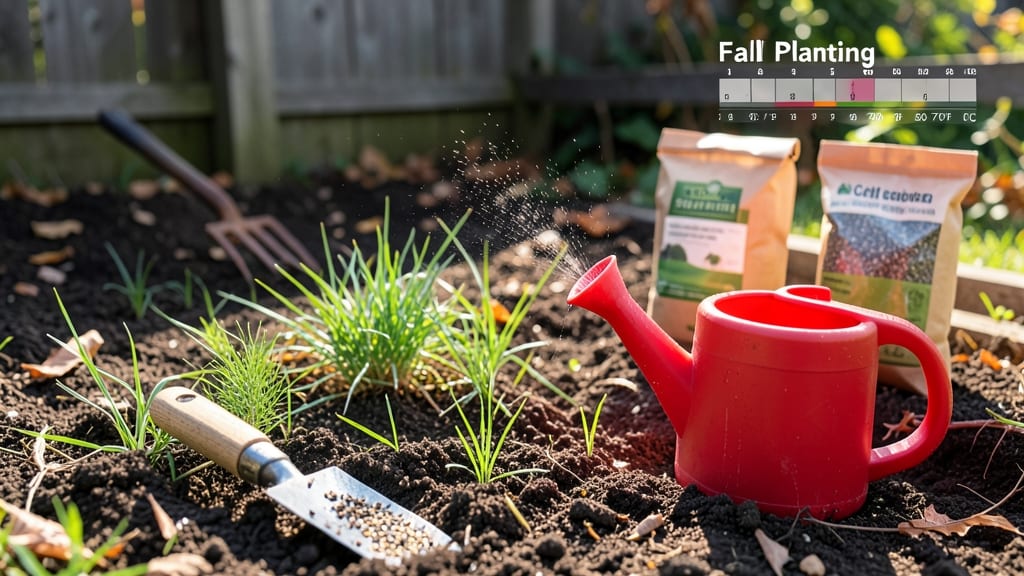
Planting grass seed in the fall is your golden opportunity to transform a patchy lawn into a lush, resilient carpet—but get the timing wrong, and you’ll end up with wasted seed and disappointment.
The key lies in understanding when cool-season grasses like Kentucky bluegrass or tall fescue can establish deep roots before winter sets in.
For most regions, including USDA Zone 6a, the ideal window is 4-6 weeks before your first frost, typically late August through early October. This timing lets young grass roots strengthen before cold weather arrives, giving you a head start for next spring’s vibrant growth.
Why does this matter? Fall planting avoids summer’s heat stress and competition from weeds, making it easier and more effective than spring. I’ll walk you through exactly how to prepare your soil, choose the right seed variety, and care for your new lawn so it thrives.
Ready to learn the secrets to a thicker, greener lawn? Let’s dive into the perfect fall planting schedule tailored to your climate and grass type.
Optimal fall grass seed planting windows by region and cool-season grass type
Fall planting gives cool-season grasses like tall fescue, Kentucky bluegrass, and ryegrass the perfect head start. The key is planting 4-6 weeks before your first frost, when soil temps stay above 50°F (10°C) but nights cool down. This window lets seeds germinate before winter dormancy kicks in.
Your USDA hardiness zone and local climate dictate the exact timing. Northern regions (Zones 3-5) should aim for late August to mid-September, while Southern zones (6-8) can extend until early October. Let’s break down the best months for each grass type and region.
🌱
| Grass Type | Northern Regions (Zones 3-5) | Southern Regions (Zones 6-8) | Soil Temp Trigger |
|---|---|---|---|
| Tall Fescue | Late August - Early September | Mid-September - Early October | 55-65°F (13-18°C) |
| Kentucky Bluegrass | Mid-August - Mid-September | Late August - Late September | 60-70°F (16-21°C) |
| Perennial Ryegrass | Early September - Early October | Mid-September - Mid-October | 50-60°F (10-15°C) |
For tall fescue, which thrives in cooler temps, aim for late August to early September in colder zones. This grass germinates quickly and handles fall frost better than others. In Southern climates, extend your window until early October to avoid summer heat stress.
Kentucky bluegrass loves warmth but needs cooler nights to establish roots. Plant it mid-August to mid-September in the North and late August to late September in the South. This variety struggles in hot, dry conditions, so avoid planting when daytime temps exceed 85°F (29°C).
If you’re overseeding an existing lawn, perennial ryegrass is your fastest option. It germinates in just 7-14 days and tolerates cooler soil temps down to 50°F (10°C). Plant it early September to early October in the North or mid-September to mid-October in warmer areas.
Pro tip: Check your local cooperative extension service for first frost dates. Planting too early risks seed drying out, while planting too late leaves grass vulnerable to winter kill. Aim for that sweet spot of 4-6 weeks before frost.
🌿
Regional microclimates matter too. Coastal areas stay milder longer, while inland zones drop faster. If your fall is unusually warm, delay planting until temps dip below 80°F (27°C) during the day.
Conversely, if frost arrives earlier than expected, plant 2-3 weeks sooner and use a light straw mulch to protect young seedlings.
For shade-tolerant varieties like fine fescue, follow the same timing but reduce seed rates by 20-30%. These grasses grow slower and need extra time to establish before winter. Always test your soil’s pH (6.0-7.0 ideal) and adjust with lime or sulfur before planting.
How soil temperature and weather conditions affect fall grass seed success
Fall planting thrives when soil temperatures hover between 50°F and 65°F—the sweet spot for cool-season grasses like tall fescue and Kentucky bluegrass. If your soil runs cooler, germination slows, while warmer temps can trigger early dormancy.
Use a soil thermometer (just $10 at garden centers) to check before planting.
Watch for frost dates too—plant 4-6 weeks before your first frost to give seeds time to root. In USDA Zone 5, this means mid-September; in Zone 8, late October works better. Miss this window, and you risk weak seedlings struggling through winter.
Rainfall matters just as much as timing. Aim for 1-1.5 inches of rain weekly after planting. Too little? Your seeds dry out; too much? They rot. If drought hits, water deeply twice daily until sprouts appear (usually in 7-21 days).
Here’s the kicker: late fall plantings (November+) can still work if your region has mild winters. For example, Southern California (Zone 10) can seed until December, but New England (Zone 3) must finish by early October.
Avoid planting when soil temps drop below 50°F—seeds won’t germinate. Also, steer clear of heavy frost risks within 2 weeks of seeding. Check your local National Weather Service forecast for "first frost" dates.
Evening dew and humidity help, but morning sun dries soil faster. If you’re in a dry climate, mulch seeds lightly with straw to retain moisture. In wet climates, wait for a dry spell to plant—muddy soil compacts and smothers seeds.
Pro tip: If your fall is unusually warm (like a 90°F September), delay planting until temps drop. Cool-season grasses won’t germinate above 75°F. Use shade cloth if needed to protect newly seeded areas until conditions improve.
Remember, the goal is deep root growth before winter dormancy. With the right conditions, your grass will outperform spring plantings by 30-50%—no wonder pros swear by fall!