
Plants
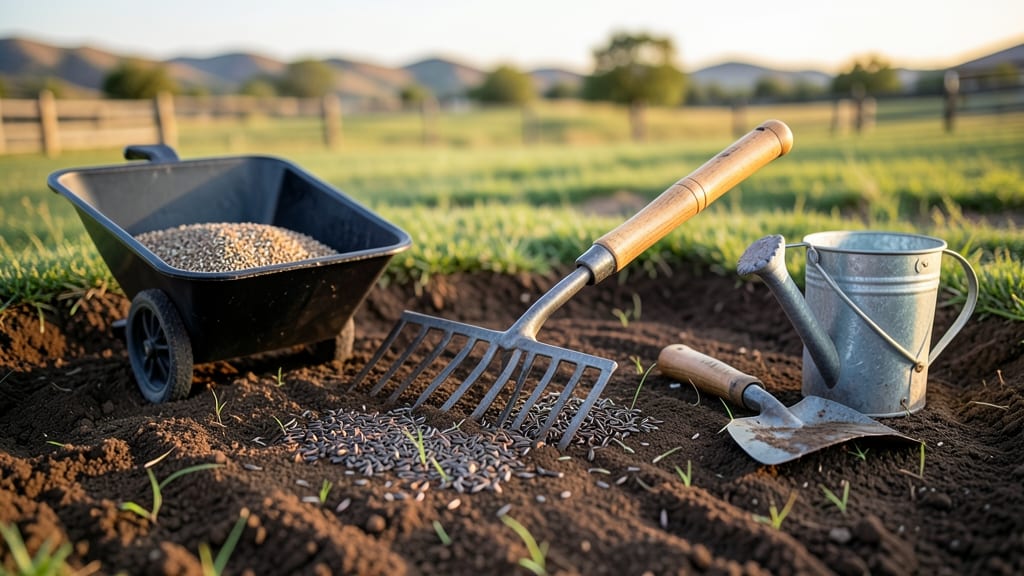
Planting grass seed in Texas at the wrong time can mean the difference between a vibrant lawn and a sad, patchy mess—especially when summer heat turns soil into a furnace.
With USDA zones 8a-10b and brutal droughts, timing is everything for 🌱 Grass (Turfgrass) to take root before the heat strikes.
Most Texas gardeners know spring and fall are the best windows, but did you know August-September is actually ideal for late-summer planting? This gives your grass 6-12 months to establish deep roots before winter dormancy—or worse, scorching summer temperatures.
Whether you're in North Texas (Zone 8a) or South Texas (Zone 10b), missing these deadlines can leave your lawn struggling. I’ll break down the exact planting schedule, soil prep secrets, and drought-resistant grass types that thrive in Texas’ extreme climate.
Skip the guesswork—let’s get your lawn off to the strongest start possible, no matter where you live in the Lone Star State.
Texas grass seed planting deadlines by heat Zone (avoid summer burnout)
Timing your grass seed planting in Texas is all about beating the 100°F+ heat that can fry young seedlings. The USDA heat zones divide Texas into three critical regions—North, Central, and South—each with its own planting windows to ensure survival.
Miss these deadlines, and you’ll battle dormant seeds or heat stress before roots even establish.
In North Texas (USDA Zone 8a), the last frost typically hits around February 15, giving you a 6-week window before summer’s brutal heat arrives. Central Texas (Zones 8b-9a) has slightly later deadlines, while South Texas (Zones 9b-10b) can plant later—but even there, August is your last chance for fall germination.
Here’s the golden rule: Plant 4-6 weeks before your region’s last frost (spring) or 6-8 weeks before first frost (fall). This gives roots time to establish before extreme heat or freezing temps strike.
| Texas Region | USDA Zone | Spring Planting Window | Fall Planting Window | Key Deadline |
|---|---|---|---|---|
| North Texas | 8a | March 1 – April 15 | August 15 – September 15 | April 30 (before summer heat) |
| Central Texas | 8b-9a | March 15 – April 30 | August 1 – September 30 | May 15 (avoid June heat) |
| South Texas | 9b-10b | April 1 – May 15 | July 15 – September 15 | June 1 (or August 31 for fall) |
⚠️ Pro Tip: Check your local AgriLife Extension for microclimate adjustments (e.g., hilltops cool faster).
Why fall planting often wins in Texas? Cooler temps (60s-70s°F) and higher humidity create ideal germination conditions. Seeds sprout faster, and roots deeply establish before winter dormancy. Spring planting is riskier—you’re racing against 100°F+ soil temps that can bake seeds shut.
For Bermuda grass (drought-tolerant), you can push the spring deadline to May 1 in Central Texas, but St. Augustine and Buffalo grass need cooler soils—stick to March-April. Soil temperature should be 60°F+ for germination; use a soil thermometer to verify.
If you’re in South Texas (Zone 10b), August is your last shot for fall planting. After that, seeds won’t germinate before freezing temps (rare but possible) or drought stress sets in. Water deeply (1-2 inches weekly) to keep soil moist—dry seeds = dead seeds.
Remember: Texas grass seed needs 6-8 weeks of consistent moisture to establish. Planting in late spring means battling evaporation rates that can double your watering needs. Fall-planted grass often outperforms spring because it avoids summer’s brutal conditions.
For container grass (e.g., patio pots), follow the same heat zone rules but water more frequently—containers dry out 3x faster than in-ground soil. Use well-draining mix with peat moss to retain moisture while preventing root rot.
🌱 Key Takeaway: In Texas, timing beats variety. Even the hardiest grass seed (like Bermuda) will fail if planted in peak summer heat. Fall is your safest bet—just don’t wait past September 15 in North Texas or August 31 in the South.
How to prepare soil and choose the right grass seed for Texas climate
Preparing your Texas soil for grass seed is just as critical as timing your planting. The Lone Star State’s hot, dry climate demands soil that retains moisture while draining excess—otherwise, your seed will either drown or bake before sprouting.
Start by testing your soil pH (ideal range: 6.0-7.0 for most grass types). If it’s off, amend with lime (to raise pH) or sulfur (to lower pH) 4-6 weeks before planting.
Next, till the top 6 inches of soil to loosen compaction and remove weeds. Mix in 2-3 inches of compost or aged manure to boost organic matter—this improves water retention and nutrient availability.
For sandy soils common in West Texas, add peat moss or coconut coir to help hold moisture. In clay-heavy areas like East Texas, incorporate sand or perlite to improve drainage.
🌱
| Grass Type | Best For | Soil Prep Needs | Water Needs |
|---|---|---|---|
| Bermuda Grass | Full sun, drought-tolerant | Loose, well-draining soil | Moderate (1 inch/week) |
| St. Augustine | Shade-tolerant, coastal areas | Rich, moist soil (add compost) | High (1.5 inches/week) |
| Buffalo Grass | Native, low-maintenance | Native soil (minimal amendments) | Low (0.5 inch/week) |
| Zoysia | Heat/drought-resistant | Well-draining, slightly acidic | Moderate (1 inch/week) |
*Choose based on your Texas region and sunlight exposure.
Selecting the right grass seed variety depends on your Texas region and lawn needs. For North Texas (cooler winters), Tall Fescue or Fine Fescue thrive in partial shade. In Central and South Texas, opt for heat-loving Bermuda or Zoysia—both handle 100°F+ temps with ease.
If you want low-maintenance and native, Buffalo Grass is drought-resistant and needs minimal water once established.
After prepping soil, spread starter fertilizer (high in phosphorus, like 10-20-10) to encourage root growth. For shady areas, mix slow-release nitrogen into the soil to prevent rapid top growth that can stress young seedlings.
Always water lightly after planting to settle seeds into the soil without washing them away.
Finally, cover seeds with ¼ inch of soil (or mulch) to protect them from birds and wind while keeping moisture locked in. Use a straw mulch (not wood chips) to avoid smothering sprouts.
With the right prep, your Texas grass seed will germinate in 7-14 days—just in time to beat the summer heat.
💧