
Plants
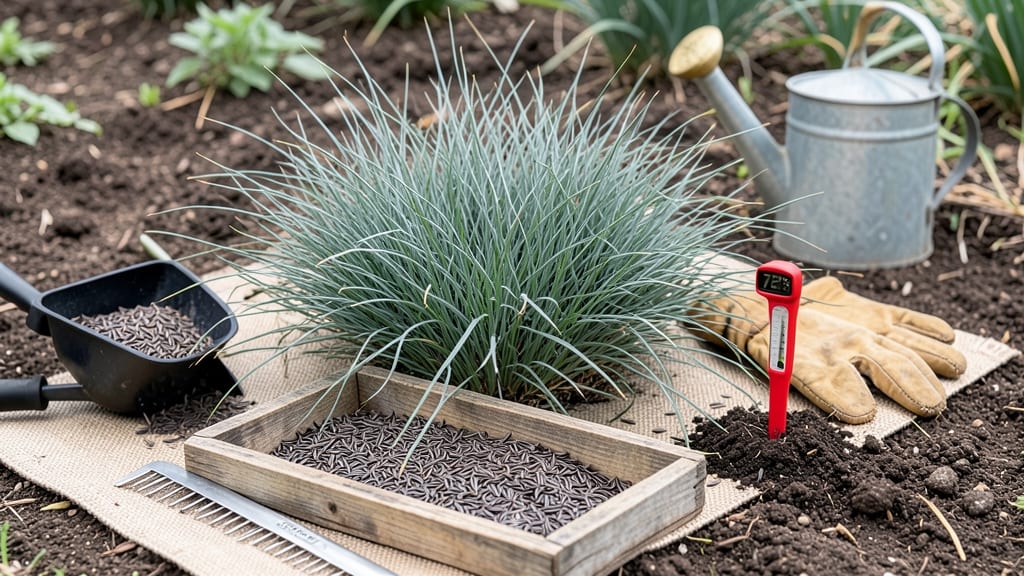
Planting buffalo grass seed at the wrong time in Kansas can mean weak roots, brown patches, or even wasted seed—so timing is everything. The key to a lush, drought-resistant lawn starts with knowing when the soil is warm enough and the weather is cooperative.
Late April to early June is your sweet spot, but local microclimates and frost risks can shift that window.
Why does this matter? Buffalo grass 🌱 thrives when soil temperatures hit at least 60°F, and Kansas’ unpredictable spring weather makes early planting risky.
Waiting until after the last frost (usually mid-April) ensures your seed doesn’t sit dormant in cold soil, while planting too late can stress young roots before summer’s heat sets in.
I’ll walk you through the exact window—late April to early June—for the best root establishment, plus how to adjust for your specific part of Kansas. You’ll also learn how to prep your soil, choose the right seed blend, and avoid common mistakes that derail germination.
Let’s get your buffalo grass off to a strong start—because once it’s established, it’ll handle Kansas’ dry spells like a pro. Ready to plant with confidence? Here’s what you need to know.
Best planting window for buffalo grass seed in Kansas: late April to early June explained
Kansas gardeners know timing is everything—especially when planting buffalo grass seed. The ideal window spans from late April to early June, when soil temperatures consistently reach 55°F or warmer. This timing aligns with Kansas’ USDA hardiness zones 5b-7a, ensuring seeds germinate before summer heat arrives.
Why this window? Buffalo grass thrives when soil is warm but not scorching. Planting too early risks late frosts (common in northern Kansas), while waiting too long means struggling with drought stress during Kansas’ hottest months. The goal is strong root establishment before summer’s intensity.
Here’s how to break it down by region: Southern Kansas (e.g., Wichita) can start as early as mid-April, while northern areas (e.g., Kansas City) should wait until late May. Microclimates near rivers or hills may also shift your timeline by 1-2 weeks.
Soil temperature is your best guide—use a soil thermometer to confirm 60°F+ at 4-inch depth. In Kansas, this typically happens by May 1 in most areas, but always verify locally. Rainfall patterns matter too; aim for 1 inch of moisture per week during germination.
Pro tip: Check your local Kansas State University Extension frost maps for last-frost dates. Planting 2-3 weeks after the average last frost ensures seeds aren’t shocked by cold snaps. For example, Hays averages frost until April 20, while Topeka holds off until April 25.
| Factor | Kansas-Specific Guidance | Why It Matters |
|---|---|---|
| Soil Temperature | 55°F+ at 4" depth | Seeds germinate poorly below 50°F |
| Last Frost Date | April 15–May 1 (varies) | Prevents frost damage to sprouts |
| Rainfall | 1" per week minimum | Critical for seed-to-soil contact |
| Ideal Planting Window | Late April–Early June | Balances warmth and moisture |
| Northern Kansas Adjustment | Wait until late May | Avoids late spring frosts |
If you’re in USDA Zone 5b (northern Kansas), prioritize late May planting to avoid late frosts.
In Zone 7a (southern Kansas), you can start as early as April 20, but monitor soil moisture—drought in May can stall germination. Buffalo grass is drought-tolerant once established, but seeds need consistent moisture to sprout.
Watch for Kansas’ unpredictable weather shifts. A late-May rainstorm can delay planting, but don’t push past early June—soil dries out quickly, and seeds may fail to germinate. Use a seed starter fertilizer (low nitrogen) to boost early growth if rains are scarce.
For container planting, the same rules apply, but containers warm up faster. Start seeds in pots 2-3 weeks before your target outdoor date to extend your window. Just ensure pots have drainage holes to prevent rot.
Once planted, buffalo grass establishes roots in 4-6 weeks under ideal conditions. By July, your lawn will be drought-resistant and ready for Kansas’ summer heat. The key is patience and preparation—don’t rush the process!
Best planting window for buffalo grass seed in Kansas: late April to early June explained
Buffalo grass thrives in Kansas’ USDA zones 5b–7a, but timing your planting is critical. The ideal window spans from late April to early June, when soil temperatures consistently hit 55°F or warmer—the minimum needed for germination.
This aligns with Kansas’ last frost dates, which typically fall between April 15 and May 1, depending on your region.
In northern Kansas (e.g., Wichita), aim for mid-to-late May to avoid late frosts. Meanwhile, southern Kansas (e.g., Kansas City) can start as early as late April, thanks to warmer microclimates. Always check your local Kansas State University Extension frost maps for precision.
Soil temperature is your best indicator—use a soil thermometer to confirm it’s 60°F or above before planting. Buffalo grass seed needs warmth to break dormancy, and cooler soils delay sprouting, leaving your lawn vulnerable to drought or weed competition.
🌱 Buffalo Grass Planting Timeline for Kansas
| Stage | Action |
|---|---|
| Late April–Early May | Test soil temp (55°F+). Prep soil in southern KS. |
| Mid-May | Plant in northern KS after last frost. |
| Early June | Final window for spring planting; ensure 1" rainfall post-planting. |
Rainfall is another critical factor—buffalo grass seed needs consistent moisture to germinate, so avoid planting during dry spells or when prolonged rain is forecasted. Kansas’ May and early June typically offer the best balance of warmth and rainfall, reducing the risk of seed desiccation or waterlogging.
If you miss the spring window, fall planting is risky in Kansas due to earlier frosts and reduced root establishment time. However, late summer (August) can work in southern regions if you’re prepared for intensive watering to help roots establish before winter.
Pro tip: Mark your calendar for June 1 as the absolute deadline for spring planting. After this, seed viability drops, and weeds gain the upper hand. For maximum success, pair your planting with a light fertilizer application (10-10-10) to boost early growth.