
Planting
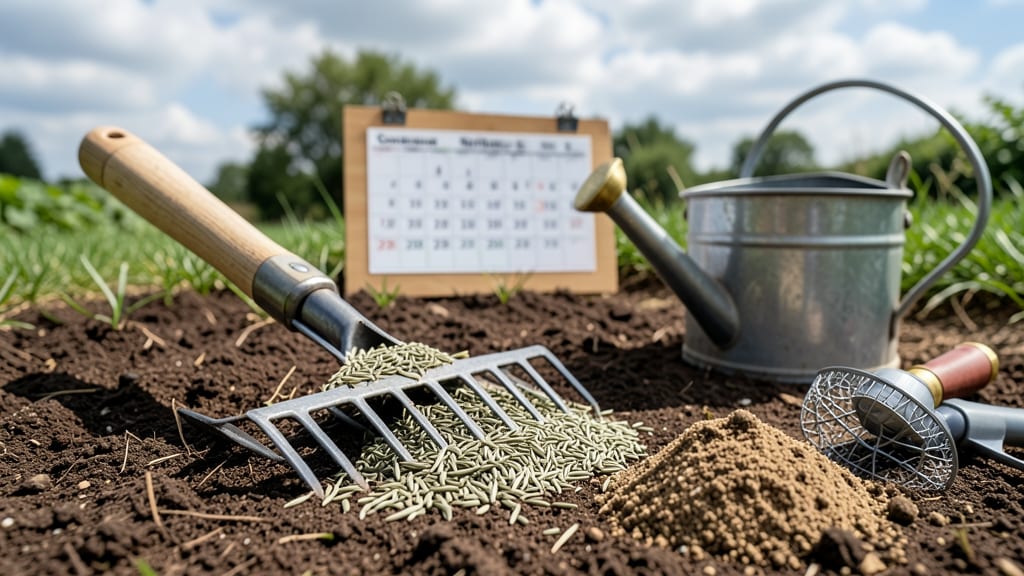
Planting grass seed in Ohio at the wrong time can leave you staring at bare patches all summer—but timing it right means a lush, green lawn that’s the envy of your neighborhood. The key isn’t just picking a month; it’s understanding how Ohio’s 6a climate zone and unpredictable spring rains can make or break your grass’s success.
Whether you’re in Columbus or Cincinnati, the ideal window stretches from early spring to early fall, but the exact timing depends on soil temperature and frost risk. Too early, and frost will kill your seedlings; too late, and summer heat will dry them out before they take root.
I’ll break down the best months for fast germination and how to adjust for your specific corner of the state.
You’ll also discover why Tall Fescue dominates Ohio lawns (it handles heat and drought like a champ) and how to prep your soil for maximum growth. Skip the guesswork—let’s get your lawn off to the fastest, most reliable start possible.
Ready to transform your yard? The secret isn’t just in the seed—it’s in knowing when to plant it. Let’s dive into the perfect schedule for your Ohio lawn.
Ohio’s best grass seed planting months by region and climate Zone
Ohio’s diverse microclimates mean your best planting window depends on whether you’re in Northern Ohio (Columbus, Cleveland) or Southern Ohio (Cincinnati, Dayton). The average last frost date shifts from mid-April in the north to early April in the south, creating a 4-week difference in ideal planting timing.
For fast germination and strong root establishment, aim to plant when soil temperatures consistently hit 50-65°F. Northern Ohio’s cooler springs often delay planting until late April or early May, while Southern Ohio gardeners can start as early as mid-March in sheltered microclimates.
Fall planting offers a second chance for Ohio lawns, with September and early October being ideal. The 60-day germination window before first frost (mid-October) gives seeds time to establish deep roots before winter dormancy.
Avoid planting in summer heat (June-August) or deep winter (December-February). Summer seeds overheat and dry out, while winter seeds rot in frozen soil. Ohio’s unpredictable weather makes timing critical—wait for stable conditions before sowing.
🌱
| Region | Climate Zone | Best Spring Planting Window | Soil Temp Threshold | Fall Planting Window | Key Risk Factor |
|---|---|---|---|---|---|
| Northern Ohio | USDA 5b-6a | Late April - Early May | 55-65°F | Mid-Sept - Early Oct | Late frosts |
| Southern Ohio | USDA 6a-6b | Mid-March - April | 50-60°F | Late Aug - Sept | Early heatwaves |
| Urban Areas | Microclimate Varies | Adjust 1-2 weeks earlier | Check local stations | Adjust 1-2 weeks later | Heat island effect |
🌡️ Pro Tip: Use a soil thermometer to verify temperatures—don't guess!
Ohio’s Northern regions (like Cleveland) often see delayed springs due to lake-effect snow, so wait until mid-May if early planting risks frost damage. In contrast, Southern Ohio (like Dayton) can start 2-3 weeks earlier thanks to warmer microclimates.
For fall planting, September is ideal because daytime temps stay warm while nighttime temps cool—perfect for root development. By late October, seeds may not have enough time to establish before first frost, leading to weak germination.
Use local weather data from sources like the Ohio State University Extension to track soil warming trends. Their free frost maps show historical averages that help you adjust planting dates each year.
💧
Remember: Preparing your soil (testing pH, removing weeds, tilling) takes 2-3 weeks—plan ahead! Once you’ve nailed your planting window, the next step is choosing the right grass seed for your Ohio climate.
Ohio’s best grass seed planting months by region and climate Zone
Ohio’s climate varies dramatically from the frost-prone north (Cleveland, Columbus) to the warmer southern regions (Cincinnati, Dayton). These differences mean your ideal planting window could shift by 3-4 weeks depending on where you live.
For most of Ohio, the sweet spot is when soil temperatures hit 55-65°F—typically mid-April to early May for spring and late August to mid-September for fall.
Northern Ohio’s cooler microclimates often delay spring planting until late April or May, while southern Ohio’s milder winters allow earlier starts in March or early April. Fall planting in southern Ohio can extend into October**, whereas northern areas should finish by mid-September to avoid frost damage.
🌱 Pro Tip: Use a soil thermometer to confirm readiness—55°F is the minimum for germination, but 60-65°F ensures faster sprouting.
| Region | Climate Zone | Spring Planting Window | Fall Planting Window | Soil Temp Threshold | Key Risk |
|---|---|---|---|---|---|
| Northern Ohio | Zone 5b-6a | Late April - Early May | Late August - Mid-September | 55-65°F | Late frosts |
| Columbus/Cleveland | Zone 6a | Mid-April - Early May | Mid-August - Early October | 55-65°F | Unpredictable rain |
| Southern Ohio | Zone 6b-7a | Early April - Mid-April | Late August - Late September | 50-60°F (earlier start) | Heat stress |
| Cincinnati/Dayton | Zone 6b | March 30 - April 15 | September 1 - October 15 | 50-65°F | Weed competition |
Spring planting in Ohio’s northern regions often faces late frost risks, while southern areas must contend with summer heat stress if planting too late.
For example, Tall Fescue (a top Ohio grass) thrives when seeded in cool-season windows, but Kentucky Bluegrass may need an extra 2 weeks earlier in spring to establish roots before summer heat arrives.
🌿 Local Tip: Check your USDA Hardiness Zone (most of Ohio is Zone 5b-6b) and adjust planting dates by 1-2 weeks if your yard sits in a microclimate (e.g., urban heat islands or shaded areas).
Fall planting in Ohio offers a second chance for success, especially in September, when temperatures drop but weeds are still controlled.
However, avoid planting after mid-October—new grass won’t have time to develop deep roots before winter dormancy. Watering deeply 2-3 times per week post-planting is critical, as Ohio’s fall can bring unpredictable dry spells.