
Plants
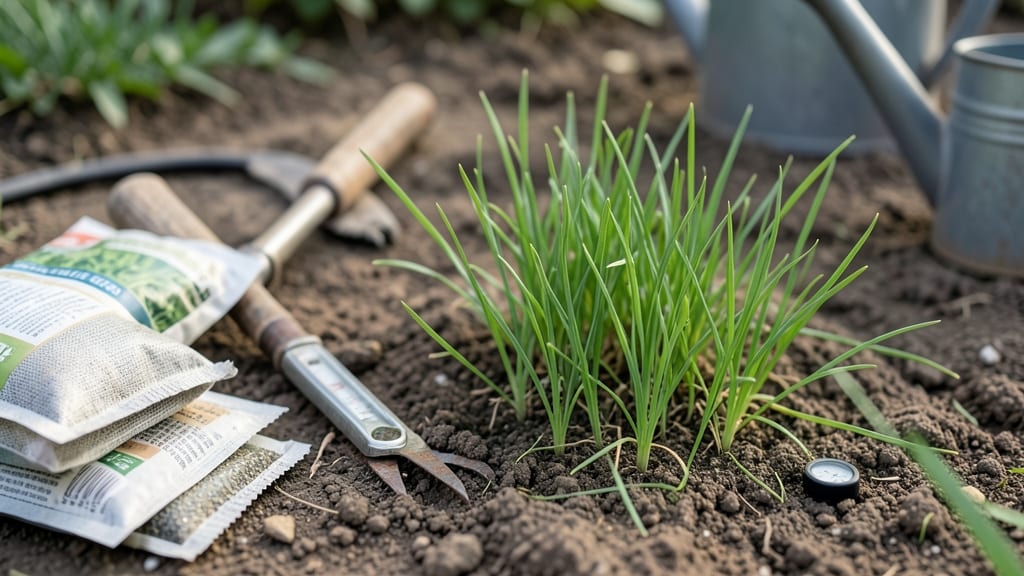
Timing your spring grass planting just right can make all the difference between a lush, green lawn and a frustrating struggle.
If you've ever wondered when can you plant grass in the spring, the answer depends on more than just the calendar—it’s about understanding your local climate and soil conditions.
In Zone 6a, where many gardeners live, the ideal window starts 4-6 weeks before your last frost date, typically around early March to mid-April.
Planting too early risks frost damage, while waiting too long may leave your grass struggling in summer heat. The key is preparing your soil to reach that perfect 55-65°F temperature, which signals it’s time to sow your seeds.
Even if you’re eager to get started, holding off until conditions are right ensures stronger root growth and a healthier lawn from day one.
Whether you’re a first-time gardener or a seasoned pro, knowing the exact timing—and how to adapt to your region’s quirks—can save you time, money, and frustration.
Let’s break down the best strategies to get your grass off to the strongest start possible, so you can enjoy that vibrant lawn all season long.
From checking soil temperature to choosing the right grass type for your climate, I’ll walk you through every step. By the end, you’ll have a clear plan tailored to your Zone 6a area, ensuring your grass thrives from the very first sprout. Ready to transform your yard? Let’s dive in.
Spring grass planting timeline by USDA hardiness zones: exact weeks before last frost
Getting your grass seed in the ground at the right time in spring is like catching a wave—timing matters more than you think. Plant too early, and a surprise frost can wipe out your progress. Too late, and your lawn struggles to establish before summer heat sets in.
The golden window? 3 to 6 weeks before your last frost date, but your USDA hardiness zone and local climate tweak that rule.
For example, in Zone 5 (think Midwest or Northeast), aim for early April, while Zone 9 (Southern California or Florida) can start as early as February. The key is balancing soil warmth (ideal: 55–65°F) with frost risk. Let’s break it down by zone so you can plant with confidence.
Here’s your zone-specific planting timeline, including how to find your last frost date and adjust for early vs. late springs. Pro tip: Use the National Weather Service’s frost calendar or local cooperative extension office for your exact date.
If you’re in Zone 5 or 6 and your last frost is April 15, your planting window opens around March 15–March 30. But don’t rush—wait until soil temps hit 55°F at 4 inches deep.
Use a soil thermometer (just $10 at garden centers) to check. Pro move: Test your soil’s moisture too. Dry soil? Water it 24 hours before planting to help seeds germinate faster.
What if your spring is unpredictable? Late frosts happen—especially in Zone 4 or higher elevations. A trick I swear by: Lay down frost blankets or even old towels if temps dip below 32°F after planting.
For Zone 9+, watch for summer heat. Planting in late spring (May) is safer for warm-season grasses like Bermuda, but you’ll need to keep soil moist to beat the dry season.
One more critical tip: Seed variety matters. Cool-season grasses (like tall fescue) germinate faster in cooler soil, while warm-season types (like St. Augustine) need heat.
If you’re pushing your timeline, choose a fast-germinating blend labeled for your zone. For example, ‘Turf-Type Tall Fescue’ sprouts in 7–14 days at 60°F—perfect for late spring.
Ready to plant? Grab your seed spreader, a garden rake, and a watering can. The next section dives into soil and weather signs to confirm your lawn is truly ready—because even the best timeline can backfire if conditions aren’t perfect. 🌱
Signs your soil and weather are Actually Ready for Grass Seed (Beyond the Calendar)
Planting grass seed too early because the calendar says "spring" can backfire—frost damage or slow germination are real risks. Instead, focus on three critical signals your soil and weather are truly ready: soil temperature, moisture levels, and a stable forecast.
These signs trump the calendar every time, especially in unpredictable climates.
Your soil’s temperature is the #1 factor. Grass seed needs 50–65°F soil temps to germinate properly. Use a soil thermometer (just $10 at garden centers) to check 2 inches deep—this is where seeds will sprout.
If it’s below 50°F, wait. Cold soil = sluggish growth or no germination at all.
Next, moisture matters more than rain. Dry soil crusts over and blocks seeds from making contact with the earth. Test by grabbing a handful—it should hold together but not be soggy.
If it’s bone-dry, water deeply (1–2 inches) 24 hours before planting. Sandy soil drains fast, so check daily; clay holds moisture longer but can suffocate roots if overwatered.
🌱 Key Takeaway: The 3 Must-Haves for Perfect Planting
- Soil temp: 50–65°F (use thermometer)
- Moisture: Damp but not soggy (clump test)
- Forecast: No frost in 7–10 days (check NOAA)
Pro tip: Morning is the best time to plant—cooler temps reduce stress on seeds.
Don’t ignore the weather forecast, especially if you’re in a Zone 5–8 area where late frosts sneak in. Aim to plant 7–10 days before the last expected frost date—this gives seeds time to germinate before cold snaps.
Use the NOAA Frost Calculator (free online) to input your ZIP code for precise dates. If frost is predicted within a week, delay planting or use frost blankets to protect tender seedlings.
Clay soil? Avoid planting after heavy rain—it compacts and cuts off oxygen to roots. Sandy soil? Water lightly daily until germination (usually 7–21 days) to keep moisture consistent.
Both extremes need adjustments: clay = less water, sand = more frequent hydration. A mulch layer (straw or peat moss) helps retain moisture without smothering seeds.
Finally, watch for pests and birds—they’ll eye your fresh seed like an all-you-can-eat buffet. If you see crows, squirrels, or even ants scouting the area, wait a few days or use seed starter granules (they’re coated to deter wildlife).
Once seeds sprout, they’re safer, but early stages are vulnerable. A light row cover can buy you time if pests are a problem in your area.
When all three signs align—warm soil, balanced moisture, and frost-free skies—you’re golden. Trust these cues over the calendar, and you’ll skip the most common grass-planting mistakes. Your lawn’s future starts with patience and preparation, not just timing.