
Vegetables
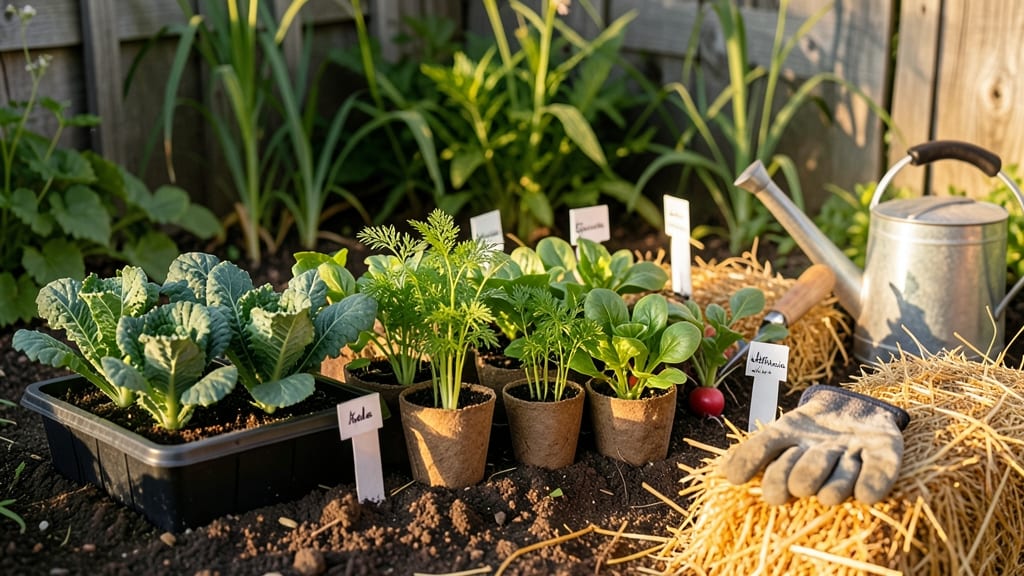
When to plant fall vegetables in Ohio isn’t just about luck—it’s the difference between a thriving harvest and wasted effort. Ohio’s 6a climate means you only get a narrow window to plant 🥬 before the first frost hits in mid-October, and missing it could leave you with bolted greens or frozen roots.
I've learned the hard way that planting too early risks heat stress, while waiting too late means your kale or carrots won't mature before winter sets in. The secret?
Starting 4-6 weeks before frost—typically mid-August to early September—for most cool-season crops. This isn't just theory; it's what actually works in my Ohio garden year after year.
What you'll discover here are the exact planting dates for popular fall vegetables, soil temperature tricks to speed up germination, and how to stretch your harvest through early frost. No more guessing—just proven methods to turn your Ohio garden into a late-season goldmine.
Whether you're growing leafy greens, root vegetables, or hardy brassicas, these insights will help you avoid common mistakes and maximize every square foot of your garden. Let's get those seeds in the ground at the perfect time—because in Ohio, timing really is everything.
Ohio’s fall planting schedule by vegetable type: weeks before first frost
Ohio’s first frost date typically arrives around mid-October, but your exact timing depends on your region—northern Ohio may see frost earlier than southern counties. To maximize your fall harvest, aim to plant 4-6 weeks before frost, which usually means mid-August to early September for most vegetables.
This window ensures plants mature before cold snaps hit.
Cool-season crops like kale, carrots, and spinach thrive in Ohio’s fall weather, while warm-season holdovers (like tomatoes and peppers) need extra care to survive light frosts.
Understanding these planting windows is key to avoiding bolted greens or frozen roots. Let’s break it down by vegetable type for precise timing.
🌱 Did You Know? Ohio’s USDA Zone 6a means some varieties (like broccoli) can handle light frosts, while others (like basil) must be harvested before temperatures dip below 32°F. Always check your local frost date for accuracy!
| Vegetable | Planting Window | Days to Harvest | Frost Tolerance | Notes |
|---|---|---|---|---|
| Leafy Greens (Lettuce, Spinach, Kale) | Late July - Mid-Sept | 30-50 days | High (survives light frost) | Succession plant every 2 weeks |
| Root Vegetables (Carrots, Beets, Radishes) | Mid-August - Early Sept | 45-70 days | Moderate (harvest before hard frost) | Loosen soil to prevent forking |
| Brassicas (Broccoli, Cabbage, Brussels Sprouts) | Early August - Late Aug | 50-80 days | Very High (enhances flavor) | Use row covers for extra protection |
| Warm-Season Holdovers (Tomatoes, Peppers, Green Beans) | Late July - Early Aug | 60-90 days | Low (harvest before frost) | Extend season with black plastic mulch |
| Alliums (Onions, Garlic, Leeks) | Early August - Mid-Sept | 60-100 days | Moderate (bulbs harden with cold) | Plant sets for faster harvest |
For leafy greens, I recommend starting seeds indoors in early August to transplant outdoors by mid-August. This gives them enough time to mature before frost, especially varieties like Winterbor Kale, which can survive -10°F once established.
Use row covers to push back frost dates by 2-4 weeks if needed.
Root vegetables like carrots and beets need consistent soil moisture to grow straight and sweet. Plant them in well-draining soil with a fine texture to prevent forking. For a continuous harvest, sow seeds every 2 weeks from mid-August until early September.
Cover young seedlings with floating row covers to protect them from sudden cold snaps.
Brassicas like broccoli and cabbage are my favorite fall crops—they actually taste sweeter after a light frost! Start seeds indoors 6-8 weeks before transplanting (around early August) or buy transplants from a local nursery. Space them 18-24 inches apart to allow for head development and better airflow to prevent disease.
If you’re growing warm-season holdovers like tomatoes or peppers, focus on harvesting before frost rather than extending the season. Use black plastic mulch to warm the soil and row covers to delay frost damage.
For green beans, plant bush varieties in late July for a quick harvest before the first frost.
Pro tip: Always check the soil temperature before planting—most fall crops germinate best in soil that’s 50-70°F. Use a soil thermometer to avoid planting too early when soil is still warm, which can cause seeds to rot.
If your soil is too hot, wait a week or two for temperatures to drop naturally.
Finally, don’t forget to mulch your fall garden with straw or leaves to insulate roots and retain moisture. This simple step can make the difference between a thriving harvest and a failed crop. With these precise planting windows, you’ll be enjoying fresh homegrown vegetables well into November!
How to adjust planting dates for Ohio’s microclimates and frost variations
Ohio’s fall frost dates aren’t uniform—northern areas like Cleveland freeze earlier than Cincinnati, and urban heat islands can delay frost by 1-2 weeks. To fine-tune your planting schedule, start by checking your local frost-free date using the USDA Plant Hardiness Zone Map (Ohio ranges from Zone 5b-6b).
For most gardeners, this means adjusting the 4-6 week rule by ±1 week based on your specific location.
For example, if your first frost typically hits October 15 but you’re in a warmer microclimate (like a south-facing urban garden), you might safely plant spinach or kale as late as mid-September.
Conversely, in colder northern Ohio regions, start broccoli or carrots by late August to avoid premature frost damage. Always verify with local extension office data—they track yearly variations!
🌱
🔍 Numbered Highlights for Ohio Microclimates
- 1. Northern Ohio (Zones 5b-6a): Plant leafy greens by late August—frost often arrives by October 10.
- 2. Central Ohio (Zone 6a): Extend planting to early September for root veggies like beets or turnips.
- 3. Southern Ohio (Zone 6b): Try late-September plantings of cold-hardy crops (e.g., kale) with row covers.
- 4. Urban Heat Islands: Frost may arrive 1-2 weeks later—use soil thermometers to confirm readiness.
- 5. Lakeside Gardens: Near Lake Erie, expect earlier frosts—plant 2 weeks sooner than inland areas.
Don’t rely solely on calendar dates—soil temperature is your real guide. Most fall vegetables need soil temps between 40°F and 75°F to germinate. Use a soil thermometer to confirm readiness; if temps drop below 40°F, wait until conditions warm up again.
For warm-season holdovers like tomatoes or peppers, prioritize heat-tolerant varieties (e.g., ‘Early Girl’ tomatoes) and plant by mid-August to mature before frost.
Another pro tip: Succession plant every 2 weeks for a staggered harvest. For instance, sow radishes in early August, then again in late August and early September—this ensures a continuous supply before frost.
Pair fast growers (like bush beans) with slower ones (like cabbage) to maximize space and yield.
Finally, row covers are your best friend for extending Ohio’s fall season. Lightweight floating row covers can push back frost by 2-4 weeks, allowing you to plant spinach or lettuce as late as mid-September in most regions. Just
☀️