
Plants
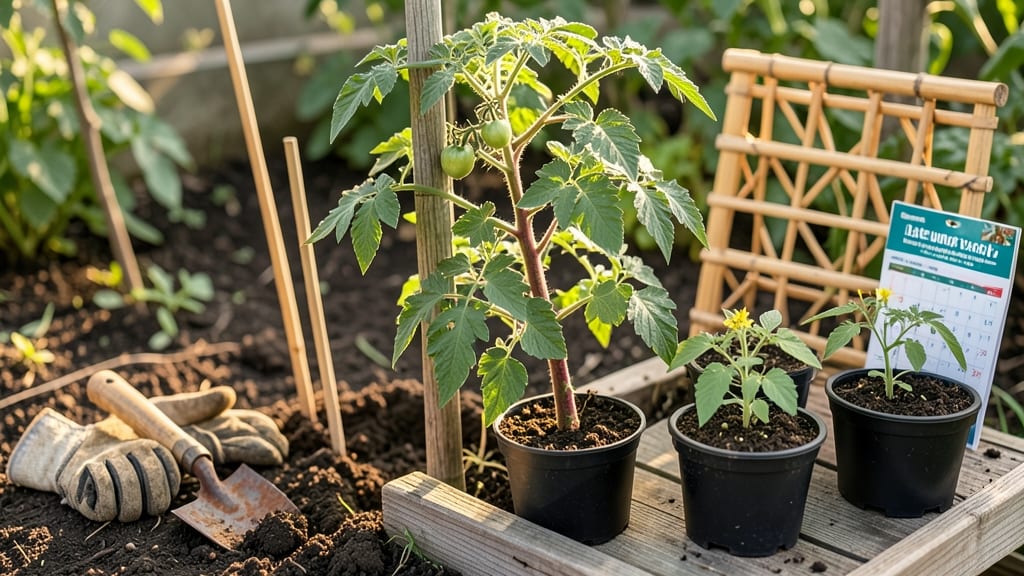
If you're dreaming of a zero-frost tomato harvest in South Texas, knowing when to plant fall tomatoes is the key to success.
Planting your 🍅 in mid-August might seem counterintuitive when the heat is still blazing, but this is the golden window to beat the first frost and enjoy fresh tomatoes from October through December.
Most gardeners in zones 9a-10a make the mistake of waiting too late, only to watch their plants struggle in September's residual heat or get nipped by early cold snaps.
The key isn't just the calendar date—it's understanding how your local microclimate (whether you're in San Antonio or Brownsville) affects growth rates and heat tolerance.
I've grown tomatoes in this region for years, and I can tell you: the right variety makes all the difference. Heat-loving types like 'Heatmaster' or 'Celebrity' thrive when planted now, while others might bolt or produce poorly.
We'll cover exactly which tomatoes to pick and how to prepare your soil to give them the best shot at success.
Ready to skip the guesswork? Let's break down the exact planting schedule, soil prep secrets, and common pitfalls that South Texas gardeners face—so you can enjoy that first ripe tomato of the season without the stress.
Optimal mid-August planting dates for fall tomatoes in South Texas
South Texas’s 9a-10a climate means mid-August planting is your golden window for fall tomatoes. The key is beating the first frost (usually around December 1) while avoiding late-summer heatwaves that can stress seedlings.
Start August 15-31 for most varieties, but adjust based on your local microclimate—San Antonio’s cooler nights may allow earlier planting than Brownsville’s lingering heat.
For determinate varieties (bush tomatoes like 'Celebrity'), aim for August 15-20—they mature faster (60-70 days) and handle cooler fall temps better. Indeterminate types (vining tomatoes like 'Heatmaster') need August 20-31 to avoid stunted growth from September heat stress.
These varieties keep producing until frost, but they need more time to establish.
Here’s the absolute latest you should plant: September 5. After that, tomatoes won’t mature before frost, but you can plant cold-hardy varieties like 'Solar Fire' or 'Mountain Merit' up to September 15 for a smaller harvest. Just accept slower growth and potential blossom end rot from temperature swings.
Pro tip: Check your soil temperature before planting—it should be 70°F+. Use a soil thermometer in the afternoon. If it’s cooler (common in North Texas edge zones), delay until September 1 to avoid poor root development.
🌱
| Variety Type | Best Planting Window | Days to Harvest | Heat Tolerance | Frost Risk |
|---|---|---|---|---|
| Determinate (Bush) | August 15-20 | 60-70 days | Moderate | Low (fast harvest) |
| Indeterminate (Vining) | August 20-31 | 70-85 days | High | Medium (needs protection) |
| Cold-Hardy (e.g., 'Solar Fire') | September 1-15 | 75-90 days | Low | High (slow growth) |
Adjust your planting date based on local heatwaves. If your area hits 100°F+ in late August, delay until September 1 to avoid heat stress. Use shade cloth (30-50%) for seedlings until they’re established.
In cooler microclimates (e.g., near rivers or hills), you can plant July 25-August 5 for an earlier harvest.
Monitor first flower appearance—if blooms show up before September 15, your tomatoes may not ripen before frost. In that case, prune suckers aggressively to redirect energy to existing fruit. For indeterminate varieties, consider row covers to extend the season by 2-3 weeks.
🌡️
Don’t forget to account for pest pressure in South Texas. Hornworms and aphids thrive in late summer, so have neem oil or BT (Bacillus thuringiensis) ready. Early September is also when whiteflies become aggressive—inspect undersides of leaves weekly.
A reflective mulch (like aluminum foil) can deter pests while retaining soil moisture.
Finally, track your local frost dates—they vary by 5-7 days across South Texas. Use the National Weather Service or local AgriLife Extension resources to confirm your area’s first frost probability. Planting 4-6 weeks before this date ensures a harvest before temperatures drop below 32°F.
Step-by-step guide to preparing soil and seedlings for late-summer planting
Late-summer planting in South Texas demands extra prep work to beat the heat and give your tomato seedlings the best start. The key? Moisture retention and heat protection—two things August’s scorching sun can quickly strip away.
I’ve learned that skipping these steps often leads to stressed plants that never recover, so let’s tackle them one by one.
First, focus on soil amendments to improve drainage and moisture retention. South Texas soils can bake hard under the sun, so I recommend mixing in 2-3 inches of compost or aged manure into the top 12 inches of soil.
This adds organic matter that holds water while allowing excess to drain, preventing root rot. For extra heat resistance, blend in a handful of perlite or vermiculite to keep roots cool.
🌱 Step-by-Step Prep Guide
- Test soil pH: Aim for 6.0-6.8. Use lime to raise or sulfur to lower if needed.
- Add compost: Mix in 2-3 inches of well-rotted compost or aged manure.
- Incorporate perlite: Blend in 1 part perlite per 3 parts soil for better drainage.
- Hardening off seedlings: Move seedlings outdoors for 2-3 hours/day over 7-10 days.
- Mulch heavily: Apply 3-4 inches of mulch (straw or wood chips) to retain moisture.
- Shade cloth: Use 30-50% shade cloth for the first 1-2 weeks after transplanting.
Next, harden off seedlings to prepare them for South Texas’s intense sun. I start this process 7-10 days before planting by moving seedlings outdoors for 2-3 hours daily, gradually increasing their exposure.
Skip this step, and you’ll end up with seedlings that wilt dramatically on their first day in the ground. For extra protection, I use shade cloth (30-50%) during the hottest part of the day for the first 1-2 weeks after transplanting.
Don’t overlook mulching, which is non-negotiable in South Texas’s dry heat. I apply 3-4 inches of straw or wood chips around each plant to lock in moisture and keep roots cool.
This simple step can mean the difference between a thriving plant and one that struggles to survive. Plus, mulch helps suppress weeds, reducing competition for water and nutrients.
Finally, water deeply before and after planting. South Texas soil can dry out quickly, so I water the day before transplanting to reduce shock. After planting, give each seedling a deep soak to encourage root establishment.
Schedule watering for early morning to minimize evaporation and fungal risks. With these steps, your seedlings will have the resilience they need to thrive despite the heat.
Remember, consistency is key—whether it’s soil prep, hardening off, or watering. Skipping even one step can leave your tomatoes vulnerable to stress, pests, or disease. But when done right, you’ll be rewarded with a bountiful fall harvest that rivals spring plantings.