
Plants
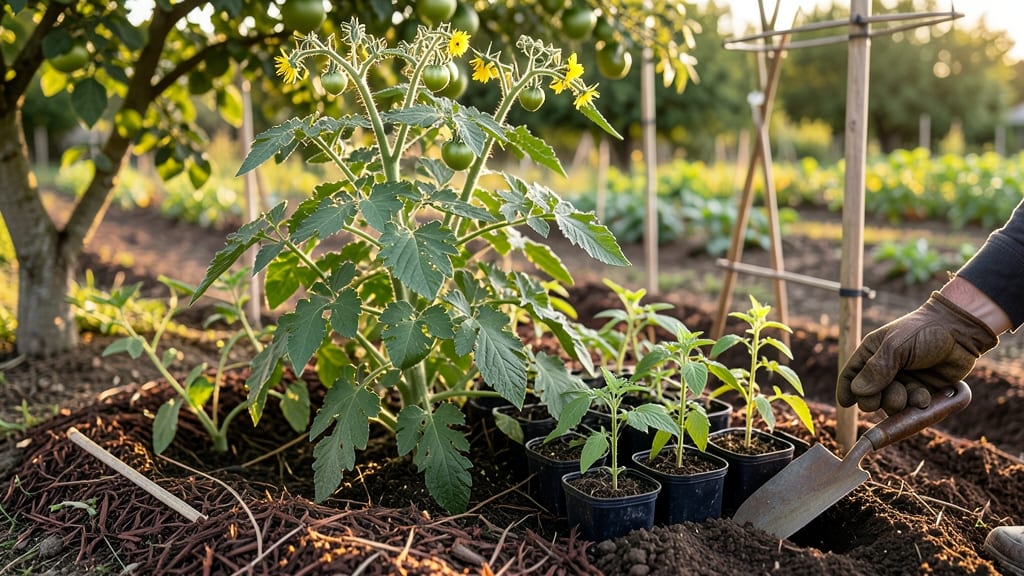
When to plant fall tomatoes in North Texas can make all the difference between a thriving harvest and a frost-killed garden. The key isn’t just picking a random date—it’s understanding how your region’s 8a climate and November 15 first frost dictate the perfect window.
If you plant too early, your 🍅 plants will struggle with late-summer heat, while waiting too long risks your tomatoes never ripening before the cold sets in. I've tested the ideal schedule to ensure your plants mature just in time for that October-December harvest window.
What you'll discover is how to align your planting with North Texas' unique microclimates, from soil prep to transplant timing. These strategies will help you beat the frost and maximize your yield—no guesswork required.
Let's break down the exact dates and techniques that work for your garden, so you can enjoy homegrown tomatoes well past the summer heat. The secret is in the details, and I've got them covered.
Optimal fall tomato planting dates in North Texas by variety type
North Texas gardeners face a 210-day frost-free window—just enough time to grow tomatoes from seed to harvest before the average November 15 first frost. The key is matching your tomato variety to the right planting window.
Heat-tolerant varieties like 'Celebrity' or 'Better Boy' need early starts, while cold-hardy 'Solar Fire' or 'Mountain Merit' can handle cooler fall temps.
Your planting clock starts 4-6 weeks before your first frost date. For North Texas (USDA zones 8a/8b), this means transplanting seedlings by mid-September for most varieties. Starting seeds indoors in early July gives you a head start, but direct-sowing in late July works too if you’re patient.
Here’s the breakdown of your planting timeline by variety type, including frost risk analysis and last-harvest estimates to avoid wasted effort.
| Variety Type | Planting Window (Transplants) | Days to Maturity | Last Harvest Before Frost | Frost Risk Level |
|---|---|---|---|---|
| Heat-Tolerant (e.g., 'Celebrity', 'Better Boy') | Mid-August to early September | 70-85 days | Late October to early November | High (needs row covers) |
| Cold-Hardy (e.g., 'Solar Fire', 'Mountain Merit') | Late August to mid-September | 60-70 days | Mid-October to late November | Moderate (survives light frost) |
| Cherry Tomatoes (e.g., 'Sweet 100', 'Sun Gold') | Early September to early October | 50-60 days | Late October to mid-November | Low (fast producers) |
| Heirloom (e.g., 'Brandywine', 'Cherokee Purple') | Late July to early August (seeds) or early September (transplants) | 80-90 days | Early to mid-October | Very High (needs protection) |
For seed-starting, begin indoors in early July for heat-tolerant varieties. Move seedlings outdoors after hardening off in mid-August. If you’re direct-sowing, late July is your last chance for a fall crop—just be prepared for slower growth in September’s heat.
Pro tip: Use black plastic mulch to warm soil and speed up germination. This is especially critical for heirloom varieties, which need every extra day to mature. I’ve seen 'Brandywine' tomatoes ripen 10 days earlier with this trick alone.
Your last harvest window is October 15 to November 1, depending on variety. After that, frost risk spikes, and unripe tomatoes won’t recover.
Plan to harvest green tomatoes early if needed—you can ripen them indoors with a paper bag trick (place 2-3 tomatoes in a bag with a banana for ethylene gas).
North Texas’ microclimates matter too. Urban areas like Dallas tend to stay warmer longer, while rural spots near Waco or Fort Worth may frost earlier. Monitor your local Cooperative Extension Service updates for real-time adjustments.
Don’t forget: Soil temperature below 55°F stalls tomato growth. Use a soil thermometer to confirm it’s 60°F+ before planting. If it’s cooler, delay until conditions improve.
With these dates, you’ll avoid the two biggest fall tomato pitfalls: heat stress from late planting and frost damage from planting too late. Now, let’s talk about how to protect your crop once it’s in the ground—because even perfect timing won’t save you from a surprise cold snap.
Optimal fall tomato planting dates in North Texas by variety type
North Texas gardeners face a tight window for fall tomatoes—plant too early, and your plants bolt in the heat; too late, and frost ruins your crop. The key is matching variety types to USDA Zone 8a/8b timelines, where the average first frost hits November 15.
For a successful harvest, aim to plant 60-70 days before frost, meaning your last transplant should go in by mid-September.
Not all tomatoes thrive in North Texas’ late-summer heat followed by sudden cold snaps. Heat-tolerant varieties like ‘Celebrity’ or ‘Heatmaster’ handle early planting better, while cold-hardy types such as ‘Mountain Merit’ or ‘Solar Fire’ ripen faster in cooler fall temps.
Your choice directly impacts your harvest window—some varieties ripen in 60 days, while others need 90 days.
For transplants, the sweet spot in North Texas is mid-August to early September. This gives your plants 6-8 weeks of warm weather to establish roots before cooler temps arrive.
If you’re starting from seeds, begin indoors in late July and transplant seedlings outdoors by mid-August to avoid bolting. Pro tip: Use black plastic mulch to warm the soil and give your tomatoes a head start.
Microclimates matter in North Texas! Areas like Dallas or Fort Worth tend to have slightly warmer fall nights than rural zones, giving you 10-14 extra frost-free days.
If you’re in a cooler pocket (e.g., Denton or Collin County), err on the side of later planting—aim for early September transplants to avoid early cold snaps. Always check your local Cooperative Extension Service for frost date updates, as they can shift yearly.
Timing isn’t just about dates—it’s about soil temperature. Tomatoes thrive when soil stays above 60°F. In North Texas, soil temps drop below this by mid-October, stalling growth. Use a soil thermometer to confirm readiness; if temps dip, delay planting or use row covers to insulate roots.
Pair this with well-draining soil amended with compost, and you’ll give your tomatoes the best shot at success.
Remember: The goal is to harvest before the first frost, not after. With these dates and variety choices, you’ll enjoy homegrown tomatoes from your garden well into November—just in time for holiday feasts! 🍅