
Vegetables
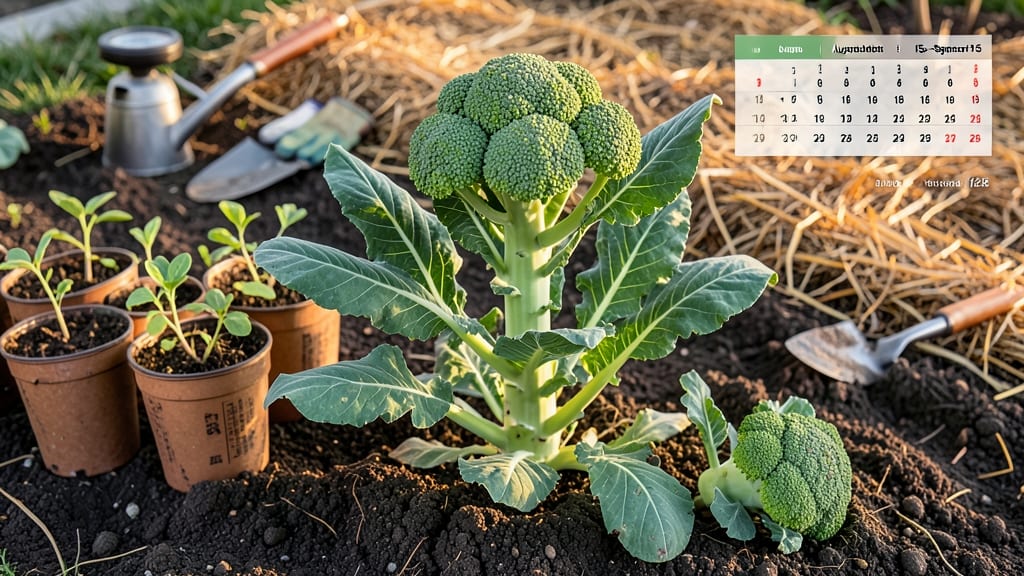
Timing your fall vegetable planting in Virginia can mean the difference between a bountiful harvest and a frost-wilted disappointment. With USDA zones ranging from 6a to 7b, knowing when to plant—whether you're in the Shenandoah Valley or Richmond's urban heat—isn't just helpful, it's essential for success.
I've grown fall gardens across Virginia's diverse microclimates, and the right planting window isn't one-size-fits-all. What works for coastal Tidewater might fail in the Piedmont's warmer pockets, while mountain regions need earlier starts to beat frost.
Let me show you exactly when to put seeds in the ground for kale, carrots, and broccoli based on your specific zone.
Miss the mark by even a few weeks, and you could end up with stunted plants or crops that bolt before harvest. The good news?
With the right adjustments for elevation, urban heat islands, and soil temperatures, you can extend your growing season by 4-6 weeks—and that means fresh greens on your table well into winter.
In this guide, I'll break down the exact planting deadlines by zone, plus how to modify your schedule if you're dealing with city heat or mountain chill. Ready to turn your fall garden into a productive powerhouse? Let's get started.
Virginia fall planting deadlines by USDA hardiness Zone (2024 guide)
Virginia’s USDA Hardiness Zones 6a through 7b create distinct fall planting windows, with first frost dates shifting from late October in the mountains to mid-November in coastal areas.
Understanding your zone ensures you plant cool-season crops like kale and carrots at the perfect time for a bountiful harvest before winter sets in.
For most of Virginia, the ideal window to plant fall vegetables opens in late July to early August—when soil temperatures drop below 85°F but remain above 50°F. This timing allows seedlings to establish roots before cooler weather arrives, preventing bolting (premature flowering) in heat-sensitive crops like lettuce.
Here’s how to align your planting with Virginia’s microclimate realities: Mountain regions (Zone 6a) have earlier frost dates (late September to early October), while the Piedmont (Zone 7a) and Tidewater (Zone 7b) can extend planting until mid-October.
Urban areas like Richmond may experience heat islands, delaying frost by 1–2 weeks.
🌱
Virginia Fall Planting Deadlines by Zone
| Zone | First Frost Date | Ideal Planting Window | Last-Chance Planting | Soil Temp Goal (°F) |
|---|---|---|---|---|
| 6a (Mountains) | Late Sept–Early Oct | Late July–Early Aug | Mid-Sept | 50–65°F |
| 7a (Piedmont) | Mid–Late Oct | Early Aug–Early Sept | Late Sept | 55–70°F |
| 7b (Tidewater) | Early–Mid Nov | Mid-Aug–Late Sept | Early Oct | 60–75°F |
Note: Adjust dates 1–2 weeks earlier for high-elevation areas (e.g., Shenandoah Valley) or later for urban heat islands (e.g., Richmond).
In Zone 6a (e.g., Roanoke, Blacksburg), aim to plant broccoli and kale by July 20–August 5 to ensure they mature before the first frost. These crops thrive in cooler weather and can even overwinter with mulch protection.
For carrots and radishes, which bolt in heat, wait until early August to avoid bitter flavors.
If you’re in Zone 7a or 7b, you have more flexibility. Spinach and lettuce can handle light frosts, so you can plant them as late as September 15 in the Piedmont or even October 1 in Tidewater.
However, avoid planting heat-loving crops like tomatoes or peppers after August 1—they’ll struggle with Virginia’s shortening daylight.
For succession planting, sow fast-growing crops like radishes or turnips every 2–3 weeks until mid-September. This staggered approach ensures a continuous harvest and minimizes wasted space. Just remember: soil temperature is your best guide—use a soil thermometer to confirm it’s below 80°F before planting.
🌿
One common mistake is planting cool-season crops too early when soil is still warm. For example, Brussels sprouts need 70–80 days to mature, so planting them after August 15 in Zone 7a risks harvests being cut short by frost.
Use a planting calendar or local extension service data to fine-tune your schedule.
Protect your fall crops from early frosts with row covers or cold frames, especially in Zone 6a. These tools can extend the growing season by 2–4 weeks, allowing you to harvest leafy greens and root vegetables well into December. Just remove covers during the day to prevent overheating.
Finally, soil preparation is key. Amend your beds with compost or aged manure in late summer to boost nutrient levels. Fall vegetables like kale and collards thrive in slightly acidic soil (pH 6.0–6.8), so test your soil now and adjust with lime or sulfur if needed.
Microclimate adjustments: how elevation and urban heat affect planting
Virginia’s geography creates microclimates that can shift your fall planting window by 2-3 weeks. Mountain regions like the Shenandoah Valley (USDA Zone 6a) often see frost 2 weeks earlier than coastal areas like Norfolk (Zone 8a).
Even within cities, urban heat islands can delay first frost by 10-14 days compared to rural zones.
For example, if your last frost date is October 15th in Richmond, you might push that to October 25th in Roanoke’s valleys. Conversely, high-elevation gardens (above 2,000 feet) may need to plant spinach or kale by September 1st instead of mid-September.
Always check local weather stations—not just zone maps—for precise timing.
| Microclimate | Frost Adjustment | Planting Window Shift | Example Crops |
|---|---|---|---|
| Mountain Valleys (Zone 6a) | Earlier by 10-14 days | Plant broccoli by Aug 15 vs. Sep 1 | Kale, carrots, peas |
| Coastal (Zone 8a) | Later by 7-10 days | Plant spinach until Oct 20 | Radishes, lettuce, garlic |
| Urban Heat Islands (Zone 7b) | Later by 7-10 days | Extend Brussels sprouts to Sep 25 | Beets, turnips, Swiss chard |
Heat-tolerant varieties like Malabar spinach or Okinawan sweet potatoes thrive in urban microclimates where nights stay warm. In contrast, cold-hardy crops such as Winterbor kale or Purple Top turnips perform better in mountain regions where nights drop below 40°F earlier.
Always match your seed selection to your microclimate’s last frost risk.
One pro tip: Use row covers or cold frames to extend your fall harvest window by 2-3 weeks in high-risk zones. For example, in Zone 6a, covering carrots planted in early September can push harvests into December. Just remove covers during daytime warmth to prevent overheating.
If you’re unsure about your microclimate, test it yourself: Place a minimum-maximum thermometer in your garden for 2 weeks in September. Compare your nighttime lows to USDA zone averages—you might discover your garden is 1-2 zones warmer than official maps suggest.
This data will help you fine-tune your planting calendar for years to come.
Remember, soil temperature matters just as much as air temperature. Use a soil thermometer to confirm 50-60°F before planting cool-season crops. In mountain zones, soil can stay cold even when daytime air is warm—a classic sign you’ve misjudged your microclimate’s readiness.