
Plants
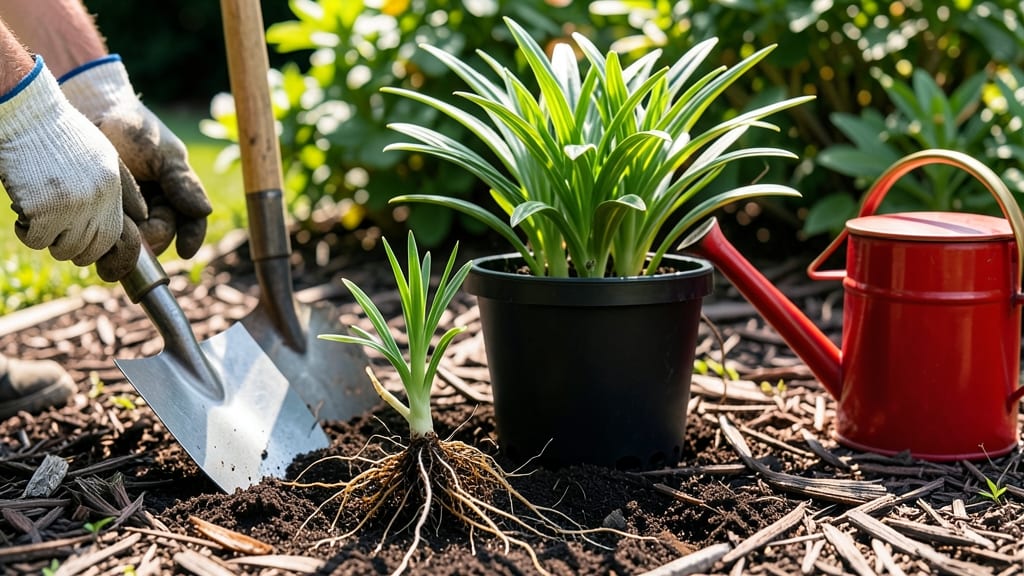
If you're planting daylilies in Texas, timing is everything—get it wrong, and you risk stunted growth or missed blooms. The perfect window for these hardy perennials falls between September and November, when soil temperatures cool and summer stress fades.
But Texas' diverse zones (8a-10b) mean North Texas gardeners have slightly different deadlines than their South Texas counterparts.
Why does this matter? Daylilies thrive when planted during their natural dormancy period, giving roots time to establish before summer’s brutal heat.
I’ll break down exactly when to dig in—whether you’re in the Panhandle or the Rio Grande Valley—and how to prep your soil for year-round blooms, even in Texas’ unpredictable climate.
You’ll also discover how to avoid common pitfalls like overwatering in summer or planting too late in spring, which can leave your 🌸 vulnerable to heat stress. With the right approach, your daylilies will reward you with vibrant flowers from early spring through fall—no matter where in Texas you garden.
Let’s dive into the specifics: soil temps, frost dates, and pro tips to keep your daylilies flourishing when others might fail. Your Texas garden deserves these low-maintenance beauties—and with the right timing, they’ll thrive for years to come.
Best planting months for daylilies in Texas heat zones (8-10)
Texas's USDA Zones 8-10 offer unique challenges for planting daylilies, from scorching summers to unpredictable freezes. The key to success lies in planting during optimal temperature windows when soil and air align for root establishment.
Unlike cooler climates, Texas gardeners must work with short windows between extreme heat and early frosts.
Daylilies thrive when planted in cooler months, allowing roots to establish before summer heat stress. The ideal planting window spans from late summer to early spring, avoiding the brutal Texas summer when temperatures can exceed 100°F.
Let's break down the best months by region—North, Central, and South Texas—to maximize your blooms.
Soil temperature is your best friend when planting daylilies. Aim for 60-70°F soil temps, which typically occur in September-October and February-March. Use a soil thermometer to check—planting too early in hot soil can shock roots, while waiting too long risks winter dormancy before establishment.
In North Texas (Zones 8a-8b), the last frost usually hits around February 15, while the first frost arrives by December 1. This leaves a 10-month growing window, but the sweet spot for planting is September through November and February.
Central Texas (Zones 8b-9a) enjoys a longer frost-free period, with planting ideal from August through November and February-March.
For South Texas (Zones 9b-10b), where winters are milder, you can push planting to late October or even early December in some areas. However, spring planting (February-March) remains critical to avoid summer heat stress before roots take hold.
Always monitor local weather forecasts—Texas's unpredictable freezes can turn a late planting into a gamble.
Texas Daylily Planting Guide by Month
| Month | North TX (Zones 8a-8b) | Central TX (Zones 8b-9a) | South TX (Zones 9b-10b) | Soil Temp |
|---|---|---|---|---|
| September | ✅ Best time | ✅ Best time | ✅ Best time | 65-75°F |
| October | ✅ Best time | ✅ Best time | ✅ Best time | 60-70°F |
| November | ✅ Good time | ✅ Best time | ✅ Good time | 55-65°F |
| December | ❌ Avoid (frost risk) | ⚠️ Risky (mild zones only) | ⚠️ Possible (check frost dates) | 50-60°F |
| February | ✅ Best time | ✅ Best time | ✅ Best time | 60-70°F |
| March | ⚠️ Early spring (watch heat) | ✅ Good time | ⚠️ Early spring | 65-75°F |
🌱 Pro Tip: Always plant daylilies when soil temps are consistently above 60°F and nighttime temps stay above 50°F for 7+ days.
Fall vs. spring planting: which works best for Texas daylilies?
Texas gardeners often debate whether to plant daylilies in fall or spring, and the answer depends on your specific USDA Zone (8-10) and local microclimate. While both seasons work, fall planting is generally superior for Texas conditions, giving roots time to establish before summer’s brutal heat.
However, spring planting can succeed with careful timing and preparation.
In North Texas (Zone 8a), where late frosts linger until mid-February, spring planting risks exposing tender roots to sudden cold snaps. Meanwhile, South Texas (Zone 10a) gardeners can plant in late winter or early spring without frost concerns.
The key is aligning planting with soil temperatures—ideal when they’re between 60-70°F—and avoiding Texas’ extreme summer stress.
🌱 Fall Planting vs. Spring Planting for Texas Daylilies
| Factor | Fall Planting (Sept-Nov) | Spring Planting (Feb-Mar) |
|---|---|---|
| Survival Rate | 90%+ (established roots before heat) | 70-85% (risk of summer stress) |
| Bloom Timing | First year (late spring/summer) | Second year (delayed) |
| Water Needs | Moderate (cool weather) | High (summer drought risk) |
| Texas-Specific Risk | Mild winter freezes | Summer heat shock |
For fall planting, aim for September through November—this window lets daylilies develop robust root systems before Texas’ 100°F+ summers. In North Texas, plant by October 15 to avoid winter dieback, while South Texas gardeners can extend planting until November 30.
Always choose dormant crowns (no green growth) to prevent transplant shock.
If you prefer spring planting, act quickly—February through early March is critical. Wait until after the last frost (typically February 15 in North TX, January 15 in South TX) and monitor soil temperatures with a thermometer.
Harden off container-grown daylilies for 7-10 days before planting to reduce stress from Texas’ dry winds.
Pro tip: Mulch heavily (3-4 inches of straw or pine bark) after planting to retain moisture and regulate soil temps. In Zone 9-10, where winters are mild, you can even plant daylilies in December—just water deeply to prevent root rot from Texas’ occasional winter rains.
Regardless of season, prioritize well-draining soil and full sun (6+ hours daily). Texas’ alkaline soils often need compost or peat moss to improve structure, and a balanced fertilizer (10-10-10) applied at planting boosts early growth.
With the right timing, your daylilies will reward you with bold blooms from spring to fall—even in the Lone Star State’s harshest conditions. 🌸