
Plants
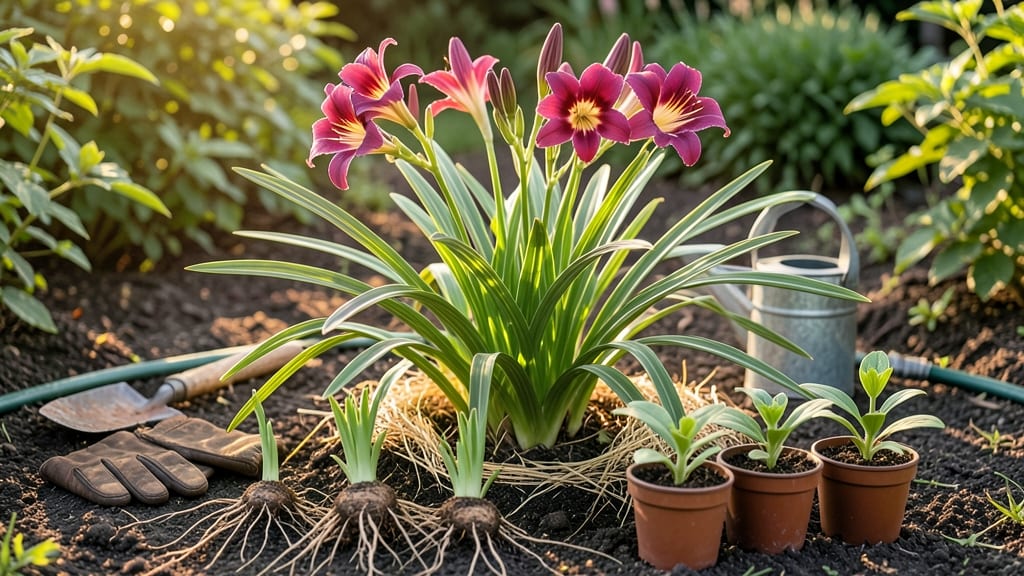
If you’ve ever watched 🌸 daylilies burst into color across Georgia gardens and wondered when to plant daylilies in Georgia, timing is the secret weapon you’re missing.
Planting these hardy perennials outside their ideal window—like late spring or fall—can leave them weak, stunted, or even frost-damaged in zones 7b-8a.
The key isn’t just avoiding frost; it’s syncing with Georgia’s humid subtropical climate, where soil warmth and moisture levels shift dramatically between north and south. Whether you’re in Atlanta’s 7b zone or Savannah’s milder 8a, getting the timing right means the difference between vibrant blooms and disappointing growth.
I’ll break down the exact frost-free windows for fall and spring planting, plus how to prep your soil for success—because even the hardiest daylily needs the right start. Let’s make sure your 🌸 daylilies put on a show, not a struggle.
Ready to plant with confidence? You’ll learn how to read your local microclimate, adjust for clay-heavy soil, and even push blooms earlier or later in the season. No more guesswork—just bloom-worthy results.
Georgia’s daylily planting calendar by heat Zone (7b vs 8a)
Daylilies thrive in Georgia’s USDA Heat Zones 7b-8a, but the optimal planting window shifts between northern and southern regions. In Zone 7b (north Georgia), the frost-free period is shorter, while Zone 8a (south Georgia) enjoys longer growing seasons.
Planting at the right time ensures robust root establishment before summer heat or winter chill sets in.
For northern Georgia (Zone 7b), aim for early spring (February–March) or fall (September–October). Southern Georgia (Zone 8a) gardeners have more flexibility, with March–April and September–November as ideal windows. The key is planting when soil temperatures reach 55–60°F—daylilies won’t tolerate cold, soggy soil.
Container-grown daylilies can be planted 2–3 weeks earlier than bare-root varieties, as their roots are less stressed. Bare-root plants, however, need at least 4–6 weeks to establish before summer’s peak heat arrives. In Georgia’s humid climate, this means avoiding late spring plantings that coincide with high humidity and pests.
Here’s how the planting windows compare for each zone, including soil temperature thresholds and frost risks:
In Zone 7b, late spring plantings (May) risk heat stress and pests, while fall plantings must finish rooting before the first frost. Southern gardeners in Zone 8a can push fall plantings later, but avoid November to prevent winter dormancy issues.
Always check your local frost dates—Atlanta’s last frost is around March 15, while Savannah’s is January 15.
For container gardening, adjust timing by 2–3 weeks earlier in both zones. Containers warm up faster, so plant when soil in pots reaches 60°F at a 2-inch depth.
Urban gardeners in Atlanta or Athens can also use black plastic mulch to warm soil faster in early spring, extending the planting window by 1–2 weeks.
After planting, focus on watering deeply for the first 2–3 weeks to encourage root growth. Daylilies in Georgia’s clay-heavy soils benefit from organic mulch (like pine straw) to retain moisture and regulate soil temperature. Avoid overwatering—daylilies are drought-tolerant once established, but soggy soil invites root rot.
Pro tip: Mark your calendar for June 1—this is when daylilies in Georgia typically enter their peak growth phase. Plants established by this date will reward you with vibrant blooms from summer through early fall, making your timing efforts well worth it.
🌸
Georgia’s daylily planting calendar by heat Zone (7b vs 8a)
Daylilies thrive in Georgia’s Heat Zones 7b-8a, but the optimal planting window shifts between northern and southern regions. In Zone 7b (e.g., Atlanta), aim for late February to early April or September to November to avoid late spring frosts or early winter chills.
Southern Zone 8a (e.g., Savannah) enjoys a longer window: February through April or September through December.
Soil temperature is critical—daylilies need 60°F+ soil to root successfully. Use a soil thermometer to confirm readiness. In Zone 7b, wait until March 15+ for spring planting, while Zone 8a can start as early as February 15.
Fall planting in both zones should finish by November 15 to allow roots to establish before winter.
| Factor | Zone 7b (Northern GA) | Zone 8a (Southern GA) |
|---|---|---|
| Spring Planting Window | Late Feb–Early Apr | Feb 15–Apr 15 |
| Fall Planting Window | Sep–Nov 15 | Sep–Dec 1 |
| Soil Temp Threshold | 60°F+ (March 15+) | 60°F+ (Feb 15+) |
| Frost Risk | High (late spring) | Low |
| Best Month | March–April | February–March |
Container-grown daylilies adapt better to late-season planting than bare-root varieties. If you miss the ideal window, opt for potted daylilies—they establish faster and tolerate cooler soils. For bare-root plants, amend clay-heavy Georgia soil with compost to improve drainage and warmth retention.
Pro tip: Mulch heavily after planting (2–3 inches of straw or pine needles) to regulate soil temperature. This is especially critical in Zone 7b during late spring when nighttime temps can still dip below 50°F. Mulching also suppresses weeds, reducing competition for nutrients.
For urban gardeners in Atlanta, prioritize spring planting (March–April) to align with the city’s last frost date (March 15). In Savannah’s Zone 8a, you can push early February for container-grown varieties, but avoid planting before soil warms to 55°F to prevent root rot.
Remember: Daylilies are perennials, so timing affects first-year blooms but not long-term survival. Even if you plant slightly off-season, they’ll rebound—just expect smaller flowers the first year if stressed. Patience pays off with vibrant blooms in years two and three! 🌸