
Plants
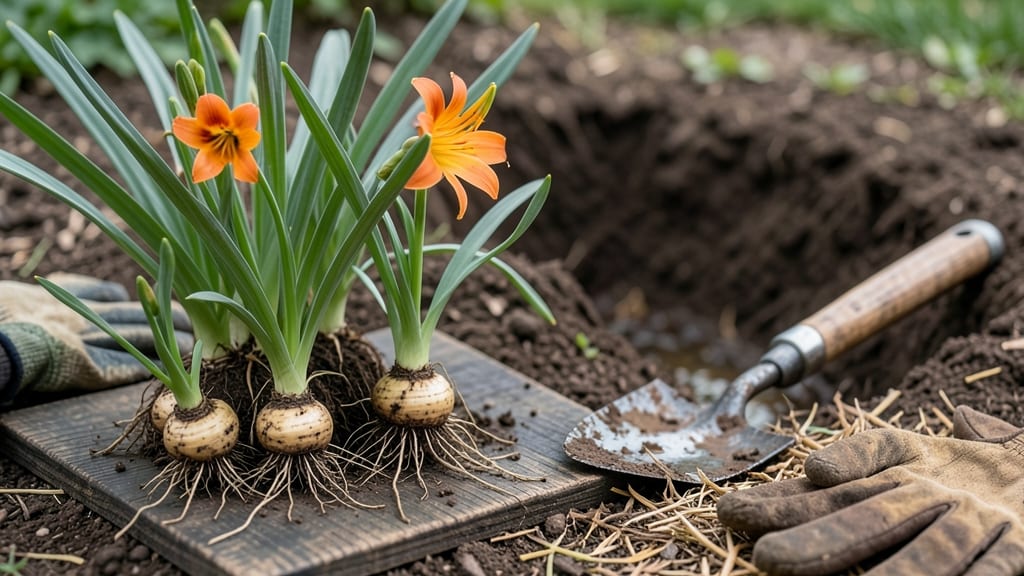
Timing your daylily bulb planting in Zone 8 can mean the difference between a garden bursting with 🌸 come summer or one that struggles to take root. These hardy perennials thrive when planted during their ideal windows—early fall or late winter—giving them the perfect head start before the heat arrives.
If you've ever wondered why some daylilies flourish while others barely survive, the answer likely lies in when they hit the soil.
Zone 8's mild winters and hot summers create unique challenges, but with the right approach, you can ensure your plants establish strong roots and deliver those vibrant blooms from June through September.
I’ll walk you through the exact months to plant, how to prepare your soil for maximum growth, and common mistakes to avoid. Whether you're a seasoned gardener or just starting out, these tips will help you get the most out of your daylilies—with minimal effort and maximum impact.
Ready to transform your garden into a summer-long display of color? Let’s dive into the best practices for planting daylilies in Zone 8 so you can enjoy their beauty all season long.

Best months to plant daylily bulbs in Zone 8 for maximum blooms
In Zone 8, daylilies thrive when planted during two ideal windows: early fall or late winter. These timing strategies help bulbs establish strong roots before summer heat arrives, ensuring vibrant blooms from June through September.
Let’s break down the best months and why they work for your climate.
Fall planting (September-October) gives bulbs time to root before winter dormancy, while spring planting (March-April) aligns with soil warming and last frost dates. Both approaches avoid the stress of summer heat or winter cold, which can stunt growth or cause rot.
Daylilies are hardy perennials that tolerate a range of conditions, but timing matters for maximum blooms. Planting too early in cold soil can delay growth, while planting too late in hot weather risks dehydration. Let’s compare your options in this Zone 8-specific guide.
| Planting Window | Best Months in Zone 8 | Soil Temp | Key Advantages |
|---|---|---|---|
| Early Fall | September–October | 55–70°F | Roots establish before winter; fewer pests |
| Late Winter | March–April | 60–75°F | Aligns with last frost; rapid spring growth |
| Avoid | May–August | Above 80°F | Risk of heat stress; poor root establishment |
For Zone 8 gardeners, early fall planting (September-October) is my top recommendation. The mild winters allow bulbs to root before dormancy, while cooler soil temperatures reduce stress. This method often yields larger blooms the following summer because the plant focuses energy on root growth rather than immediate flowering.
If you miss fall, late winter (March-April) is your next best option. By this time, soil temperatures have warmed enough to support rhizome growth, and the risk of frost damage has passed.
Just be sure to plant 2–3 weeks before your last frost date (typically mid-March in Zone 8) to give roots time to establish.
Daylilies are drought-tolerant once established, but they still need consistent moisture during their first growing season. In Zone 8, summer heat can dry out soil quickly, so mulching around newly planted bulbs helps retain moisture and regulate soil temperature. Aim for 1–2 inches of mulch to protect roots.
One common mistake in Zone 8 is planting daylilies too early in spring when soil is still cold. Cooler soil temperatures (below 55°F) can delay sprouting and weaken young plants. Use a soil thermometer to confirm temperatures are above 60°F before planting—this ensures healthy, vigorous growth.
For continuous blooms, consider planting a mix of early, mid, and late-season daylily varieties. This staggered approach extends your flowering season from June through September, giving you vibrant color all summer long. Just remember: timing is key—plant early fall for roots, late winter for blooms!
Best months to plant daylily bulbs in Zone 8 for maximum blooms
In Zone 8, timing your daylily bulb planting is crucial to avoid summer heat stress or winter dormancy issues. The ideal months for planting are early fall (September-October) and late winter (February-March), when soil temperatures are cool but not frozen.
This gives rhizomes time to establish roots before extreme heat or cold arrives.
Daylilies thrive in Zone 8's mild winters and hot summers, but planting too early in spring risks frost damage, while late summer planting may not allow enough root growth before summer's intensity. Aim for 60-75°F soil temperatures—perfect for root development without stressing the plant.
| Planting Window | Soil Temp | Zone 8 Climate Benefit |
|---|---|---|
| Early Fall (Sept-Oct) | 60-75°F | Rhizomes establish before winter; avoids summer heat stress |
| Late Winter (Feb-Mar) | 50-60°F | Post-frost planting; full growth before summer |
| Avoid Spring (Apr-May) | 75-85°F | Risk of summer drought stress; poor root establishment |
For maximum blooms, align planting with your local last frost date (typically mid-March in Zone 8). If planting in fall, do so 6-8 weeks before first frost (usually mid-November) to ensure roots develop before winter dormancy.
In southern Zone 8 (e.g., San Diego), you can plant as late as early November.
Pro tip: Use a soil thermometer to confirm temperatures—daylilies struggle in soil above 80°F during establishment. In northern Zone 8 (e.g., Dallas), prioritize September planting to beat summer heat. Mulch with 2-3 inches of organic mulch after planting to regulate soil temperature and retain moisture.
If you miss the ideal windows, late winter (February) is your next best option. Plant rhizomes 1-2 inches deep and 12-18 inches apart in well-draining soil. Avoid planting in summer or late fall—both periods stress daylilies and reduce bloom potential.
For container gardening, plant in late winter to extend the growing season.
Remember: Daylilies are perennials, so proper timing now means years of low-maintenance blooms. Pair your planting with a balanced fertilizer (10-10-10) at planting to kickstart growth, and watch your garden burst with color from June through September.