
Plants
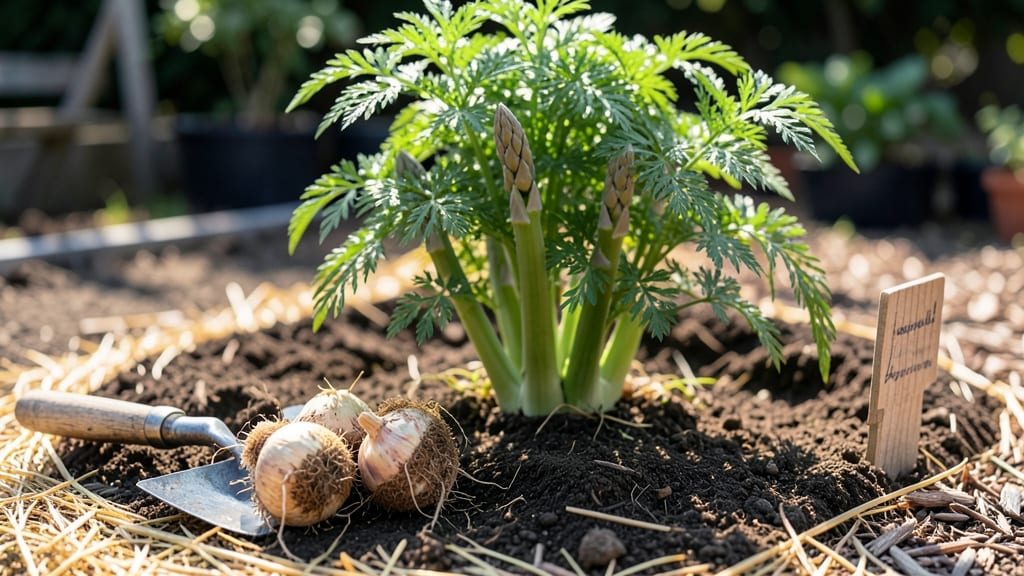
Planting asparagus in North Texas at the wrong time can mean the difference between a thriving garden and wasted effort. This cool-season crop needs precise timing to establish roots before summer heat arrives, and getting it right ensures perfect harvests for years to come.
With North Texas' USDA Zone 8a climate, your best window is late winter to early spring—typically between February and March. This gives asparagus crowns (🌱) the ideal 6-8 weeks to settle before the ground warms.
But here's the catch: planting too early risks frost damage, while waiting too long means stunted growth.
I'll walk you through exactly when to plant, how to prep your North Texas soil for maximum success, and what to watch for with Texas' unpredictable weather. Whether you're a first-time gardener or a seasoned green thumb, these insights will help you avoid common mistakes that kill asparagus crops.
By following this zero-frost success timeline, you'll be harvesting tender spears by late spring—just in time for your first fresh-as-can-be meals. Let's get your asparagus off to the right start.
Ideal planting windows for asparagus in North Texas
North Texas gardeners face a unique challenge with asparagus—our USDA Zone 8a-8b climate demands precise timing to avoid frost damage or scorching summer heat. The best planting windows are late winter (February) and early fall (October), but spring planting often yields better results for Texas gardeners.
Let’s break down why and how to nail the timing.
Asparagus crowns need 60-70°F soil temperatures to establish roots. In North Texas, this typically happens 4-6 weeks before the last spring frost (usually mid-March). Planting too early risks frost damage, while waiting too late delays the first harvest by a year.
Fall planting is riskier due to unpredictable early freezes, but it’s possible if you choose hardy varieties like 'Mary Washington' or 'Jersey Knight'.
| Planting Window | Best Months | Soil Temp Requirement | Pros | Cons |
|---|---|---|---|---|
| Spring Planting | February–March | 60–70°F | Faster establishment, earlier harvests, avoids fall frost risks | Limited window; late planting delays first harvest |
| Fall Planting | October | 50–60°F | Cooler soil, less stress on crowns | Higher frost risk; harvest delayed by 1 year |
🌱 Best Choice for North Texas: Spring planting (February–March)
For spring planting, aim to get crowns in the ground by mid-March—this gives roots time to establish before summer heat arrives. If you miss this window, fall planting in October is your backup, but expect a year-long delay before your first harvest.
Pro tip: Use a soil thermometer to confirm temps are ideal before planting.
North Texas’ alkaline soil (pH 7.5–8.5) can stress asparagus, so amend beds with compost and gypsum to improve drainage. Spread crowns 12–18 inches apart in trenches 6–8 inches deep, then cover with soil. Mulch heavily to retain moisture during our hot, dry summers.
One common mistake? Planting too shallow. Asparagus crowns need depth to survive Texas’ intense summer heat. Bury them deeper than you think—this protects them from drying out. After planting, water deeply once a week until establishment, then taper off during dormancy (summer).
Remember, asparagus is a perennial with a 3-year wait for full harvests. But with the right timing, your North Texas garden can yield spears for decades. Start with 2–3 crowns to test your soil and skills before expanding.
If you’re planting in fall, choose October as your deadline—any later and crowns may not root before winter. Use row covers for early protection if frost threatens. For spring plantings, mark your calendar for February 15–March 15 and prepare your beds early.
North Texas’ unpredictable weather means flexibility is key. Monitor local frost dates (check Texas A&M AgriLife for updates) and adjust your timeline accordingly. With the right timing, you’ll enjoy fresh asparagus for years—no frost, no fuss.
Ideal planting windows for asparagus in North Texas
North Texas’ USDA Zone 8a-8b climate gives you two prime windows to plant asparagus crowns: fall and early spring. Both work, but fall planting often outperforms spring for Texas gardeners. The key is avoiding freezing temperatures and giving roots time to establish before summer heat arrives.
For fall planting, aim for October–November—just before the first frost (mid-November in most of North Texas).
This lets roots settle in before winter dormancy. Spring planting is trickier: plant 4–6 weeks before your last frost (February–March), but avoid planting too early when soil is still cold.
Why fall often wins: Asparagus crowns planted in fall have 6–8 weeks of warm soil to root before winter. Spring-planted crowns may struggle if soil temps stay below 50°F for too long, delaying growth. Both methods require well-drained soil—critical in North Texas’ clay-heavy conditions.
| Planting Window | Best Months | Soil Temp | Key Advantage |
|---|---|---|---|
| Fall | October–November | 50–70°F | Roots establish before winter |
| Spring | February–March | 55–65°F | Avoids summer heat stress |
If you miss both windows, spring is your backup. Plant as soon as soil warms to 55°F, but never after April 15—late plantings risk summer dormancy before spears form. Pro tip: Mulch heavily in both cases to retain moisture and regulate soil temps.
North Texas’ unpredictable spring rains can delay planting. Check soil moisture weekly in February—if it’s still soggy, wait. The goal is 6–8 weeks of growth before summer’s 90°F+ days hit. Use a soil thermometer to confirm temps are ideal.
Once planted, harvest patience is key. First-year spears should never be cut—let them grow to build roots. By year 3, you’ll see full production if planted correctly. Timing isn’t just about the calendar; it’s about soil, weather, and your local microclimate.