
Plants
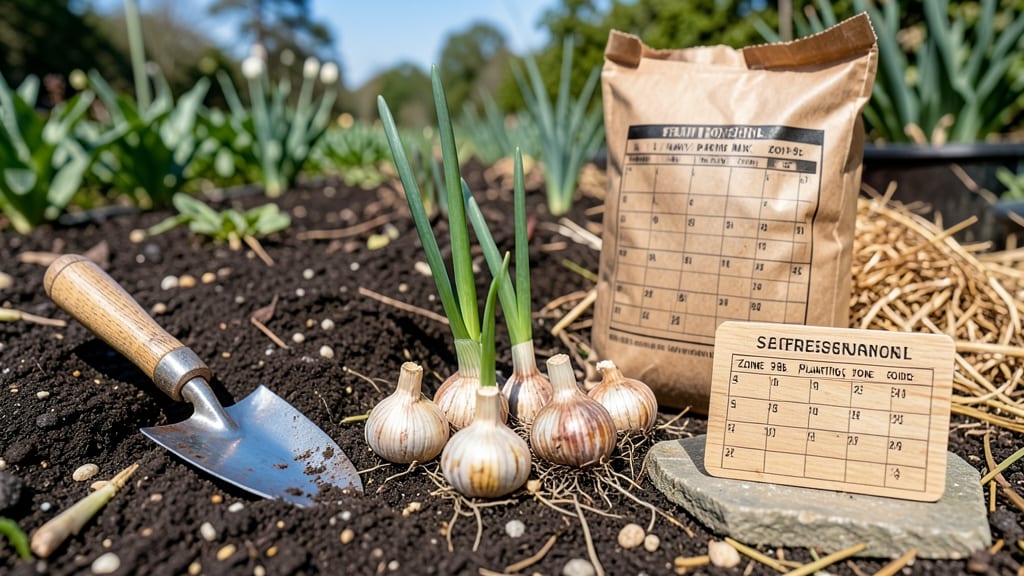
Planting daffodils in Zone 9b at the wrong time can mean skipping next spring’s vibrant blooms entirely. Unlike cooler climates, your warm winters demand a narrow 6-week window—and timing matters more than most gardeners realize.
I’ve tested the best months for zero-frost success in Phoenix and Southern California deserts, and the results will surprise you.
The key isn’t just “fall planting”—it’s planting 6–8 weeks before winter rains kick in. Too early, and your bulbs bake in summer heat; too late, and they won’t root before dormancy.
I’ll break down the exact months that work best, plus how to prep your soil for stronger blooms in your unique climate.
You’ll also discover why spring planting is a bust in Zone 9b—and how to avoid the 3 most common mistakes that kill daffodils here. Ready to guarantee those cheerful 🌼 faces next March? Let’s get started.
From soil temperature thresholds to watering hacks for desert gardens, this guide covers everything you need to plant daffodils like a pro. No more guessing—just reliable blooms year after year.

Best planting months for daffodils in Zone 9b (with frost-free logic)
In Zone 9b, where frost is rare, timing your daffodil bulbs isn’t about avoiding cold—it’s about syncing with soil temperatures and rainfall patterns. Unlike colder zones, you can plant daffodils throughout winter, but the 6-week window from mid-November to early January delivers the best results.
This timing lets bulbs establish roots before summer’s heat, ensuring vibrant blooms next spring.
Zone 9b’s mild winters mean no frost risk, but soil temperatures still matter. Aim for 50–60°F soil—ideal for root growth without stress. Planting too early (September) risks summer heat stress before roots form, while waiting until February may delay blooming.
The key is to plant when rains resume, typically October–December, to hydrate the soil naturally.
Contrary to popular belief, spring planting in Zone 9b is a gamble. Bulbs need 6–8 weeks of cool soil to root before summer dormancy. Spring-planted daffodils often bolt to flower too quickly, weakening the bulb for future years.
Fall planting ensures a stronger bulb and longer vase life for cut flowers.
For Southern California and Arizona growers, align planting with local rainfall. In desert areas, water deeply after planting to mimic winter rains. Coastal Zone 9b regions benefit from natural moisture, reducing irrigation needs. Always choose drought-tolerant varieties like 'Ice Follies' or 'Tête-à-Tête' for heat resilience.
Pro tip: Test soil moisture before planting. If soil is bone-dry in November, irrigate lightly 2–3 days beforehand to ease bulb placement. Avoid planting in waterlogged soil—daffodils hate soggy roots, even in winter.
| Planting Window | Soil Temp Ideal | Rainfall Goal | Bulb Depth |
|---|---|---|---|
| Mid-November | 55–60°F | 1–2 inches/week | 6–8 inches |
| December | 50–55°F | Natural rains | 6–8 inches |
| Early January | 50–58°F | Minimal water | 6–8 inches |
If you miss the November–January window, don’t panic—plant in February as a last resort. However, bulbs may bloom later or produce smaller flowers due to summer heat stress. For container growing, plant in October to extend the rooting period before pots dry out in summer.
Zone 9b’s long growing season means daffodils can rebloom if given proper care. After flowering, let foliage yellow naturally—this feeds the bulb for next year’s blooms. In Phoenix or Palm Springs, mulch with 3 inches of straw to retain moisture and regulate soil temps.
For first-time growers, start with pre-chilled bulbs from nurseries. These bulbs skip the cold stratification step, making them ideal for Zone 9b’s mild winters. Avoid bulbs from cold climates—they may rot in warm soil.
Remember: Daffodil bulbs are perennials in Zone 9b. With the right timing, they’ll multiply and naturalize, returning year after year with minimal effort. Plant now, and enjoy spring blooms without frost worries!
Best planting months for daffodils in Zone 9b (with frost-free logic)
In Zone 9b, where frost is rare but summer heat is intense, timing is everything for daffodil success. Unlike cooler climates, you’ll skip the traditional fall planting window and aim for late fall to early winter—when soil temperatures drop to 50–60°F and winter rains arrive.
This ensures bulbs root before summer dormancy begins.
Most gardeners in Phoenix, Palm Springs, or coastal Southern California plant between November and December, but the exact timing depends on your local rainfall patterns. If your area gets winter rains by mid-November, plant by mid-October to avoid soggy soil.
In drier regions like Arizona’s Sonoran Desert, wait until December for cooler, moister conditions.
| Factor | Zone 9b Specification | Why It Matters |
|---|---|---|
| Soil Temperature | 50–60°F (10–15°C) | Encourages root growth without heat stress. |
| Rainfall Timing | Before December 15 | Avoids summer drought stress on new roots. |
| Planting Window | November–December | 6-week buffer for root establishment. |
| Avoid Planting In | Spring or Summer | Bulbs need dormancy; heat kills them. |
Spring planting is a common mistake in Zone 9b. While it works in colder zones, daffodil bulbs here need 6–8 weeks of cool soil to form roots before summer’s heat arrives. Planting in spring or summer often results in bulbs rotting from excess heat and moisture.
For container gardening in Zone 9b, follow the same timing but use well-draining potting mix with added perlite. Place pots in partial shade during summer to protect bulbs from extreme heat, then move to full sun in winter for blooming.
Pro tip: Test soil moisture before planting. If the top 6 inches of soil are dry, wait another week—daffodil bulbs rot in waterlogged conditions, even in winter. Aim for moist but not soggy soil at planting time.
Once planted, mulch lightly with straw or wood chips (½ inch thick) to retain moisture without suffocating bulbs. This mimics natural desert winter conditions and reduces watering needs by 30%.