
Plants
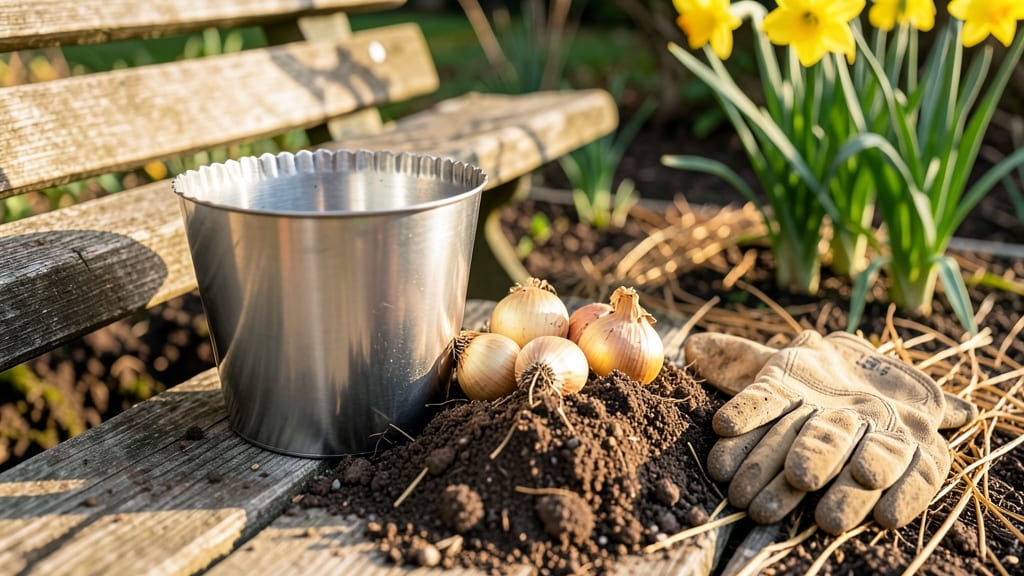
Planting daffodil bulbs when to plant in the fall isn’t just about timing—it’s the secret to vibrant spring blooms that make your garden pop. If you’ve ever wondered why some daffodils thrive while others struggle, the answer lies in understanding the 6-week pre-frost rule.
This window gives bulbs the perfect head start to root deeply before winter’s chill sets in.
For gardeners in USDA Zone 6a (like me!), that means getting those 🌼 bulbs in the ground by mid-November—just before the first frost hits. Too early, and they’ll rot; too late, and they won’t establish strong roots.
I’ll show you exactly how to nail this timing, plus soil prep tricks that make all the difference.
Let’s cut through the guesswork. You’ll learn how to calculate your local planting window, avoid common mistakes that kill bulbs before they bloom, and even troubleshoot tricky fall weather.
Whether you’re a first-time gardener or a seasoned pro, these steps will help you grow daffodils that come back bigger and brighter every year.
The best part? Once planted correctly, these cheerful flowers need minimal care—just a little patience and the right timing. Ready to set your garden up for a show-stopping spring? Let’s get those bulbs in the ground the right way.
The 6-Week pre-frost rule: exact timing for planting daffodil bulbs
Timing is everything when it comes to planting daffodil bulbs in the fall. The 6-week pre-frost rule is your golden ticket to success—it ensures bulbs establish roots before winter dormancy.
This window typically falls between mid-September and mid-November, but your exact dates depend on your USDA hardiness zone and local frost patterns.
For most gardeners in USDA zones 3-7, aim to plant 4-6 weeks before the first hard frost. In warmer zones (8-10), you can extend planting into early winter, but avoid planting after the first frost.
The key is to give bulbs time to root before the ground freezes—cold soil slows root growth, and frozen soil stops it entirely.
Check your local frost dates using the National Weather Service or a USDA zone map. For example, in Zone 5, plant by October 15, while Zone 8 gardeners can plant until December 1.
Always err on the earlier side—better to plant too soon than too late.
Soil temperature is another critical factor. Daffodils need soil temps between 40-50°F (4-10°C) to root properly. Use a soil thermometer to check—if temps drop below 40°F (4°C), bulbs may not establish roots before winter. In hot climates, wait until nighttime temps consistently drop below 70°F (21°C).
Regional climate also plays a role. In northern states, where winters are harsh, plant by mid-October to avoid frost damage. In southern states, where winters are mild, you can plant as late as January, but bulbs may bloom earlier than expected.
Always prioritize root establishment over bloom timing.
Here’s a quick reference for your zone:
| USDA Zone | Ideal Planting Window | Soil Temp Goal | Key Tip |
|---|---|---|---|
| Zones 3-5 | Mid-September to mid-October | 40-50°F (4-10°C) | Plant before ground freezes |
| Zones 6-7 | Late September to November 1 | 45-55°F (7-13°C) | Avoid late planting after frost |
| Zones 8-10 | October to December 1 | 50-60°F (10-15°C) | Can plant into winter if mild |
If you miss the ideal window, don’t panic. Daffodil bulbs can tolerate light frosts and can even be planted in early spring, though they may bloom later. However, fall planting guarantees stronger roots and bigger blooms the following spring.
For best results, mark your calendar 6 weeks before your average first frost date and plant accordingly.
Pro tip: If your fall is unusually warm, delay planting until nighttime temps drop below 60°F (15°C). This prevents bulbs from sprouting too early, which can damage tender shoots in unexpected cold snaps. Always prioritize root growth over immediate blooms—patience pays off with vibrant, long-lasting flowers.
For gardeners in unpredictable climates, like those in Zone 7a or 8a, consider using mulch to insulate bulbs if planting late. A 3-inch layer of straw or shredded leaves can extend the planting window by 2-3 weeks without risking frost damage. Just
Finally, if you’re unsure about your frost dates, check local gardening forums or your cooperative extension service for tailored advice. Every region has nuances—mountain valleys freeze earlier than nearby plains, and coastal areas stay warmer longer. When in doubt, plant early and adjust as needed.
The 6-Week pre-frost rule: exact timing for planting daffodil bulbs
Timing is everything when it comes to planting daffodil bulbs in the fall. The golden rule is to plant them 6 weeks before your first frost date—this gives roots time to establish before winter dormancy kicks in.
For most U.S. gardeners in USDA zones 5-8, this window typically falls between mid-September and mid-November, but your exact timing depends on local climate.
Check your average first frost date (use the USDA Plant Hardiness Zone Map as a guide) and count backward. For example, if your first frost is November 15th, aim to plant by October 1st.
In warmer zones (9-10), you can extend planting into December, but avoid planting when soil temperatures drop below 50°F (10°C)—roots won’t develop properly.
Soil temperature is just as critical as frost dates. Use a soil thermometer to confirm temperatures are above 50°F (10°C) at a depth of 4 inches. If your soil is still warm (above 60°F/15°C), bulbs may sprout prematurely, leaving them vulnerable to frost damage. Cooler soil (between 50-60°F/10-15°C) is ideal for root growth without encouraging early shoots.
| USDA Zone | Ideal Planting Window | Soil Temp Goal | Key Consideration |
|---|---|---|---|
| Zones 3-4 | Late August - Early October | 50-60°F (10-15°C) | Early frost risk; prioritize root growth |
| Zones 5-6 | Mid-September - Mid-November | 50-60°F (10-15°C) | Classic window for most gardeners |
| Zones 7-8 | td style="padding: 8px; border: 1px solid #4a7c77;">October - December55-65°F (13-18°C) | Warmer climates; extend window | |
| Zones 9-10 | November - January | 60-70°F (15-21°C) | Plant after summer heat subsides |
If you miss the ideal window, don’t panic—daffodil bulbs can tolerate some flexibility. You can plant up to 2 weeks before frost, but bulbs may need extra protection (like mulch) to survive.
Avoid planting after the ground freezes, as frozen soil prevents root development. For late plantings, use a cold frame or row cover to extend the growing season.
Pro tip: If you’re unsure about your frost dates, check local agricultural extension service resources or use apps like Old Farmer’s Almanac. These tools provide hyper-localized data to help you pinpoint the perfect moment.
Remember, well-rooted bulbs are 3x more likely to bloom vigorously next spring, so timing matters more than you might think!
Once you’ve nailed the timing, focus on soil prep—loose, well-draining soil with a pH of 6.0-7.0 sets the stage for strong root growth. Amend heavy clay with compost or sand, and avoid fresh manure, which can burn delicate roots.
With the right timing and soil conditions, your daffodil bulbs will thank you with bold, early spring blooms.