
Plants
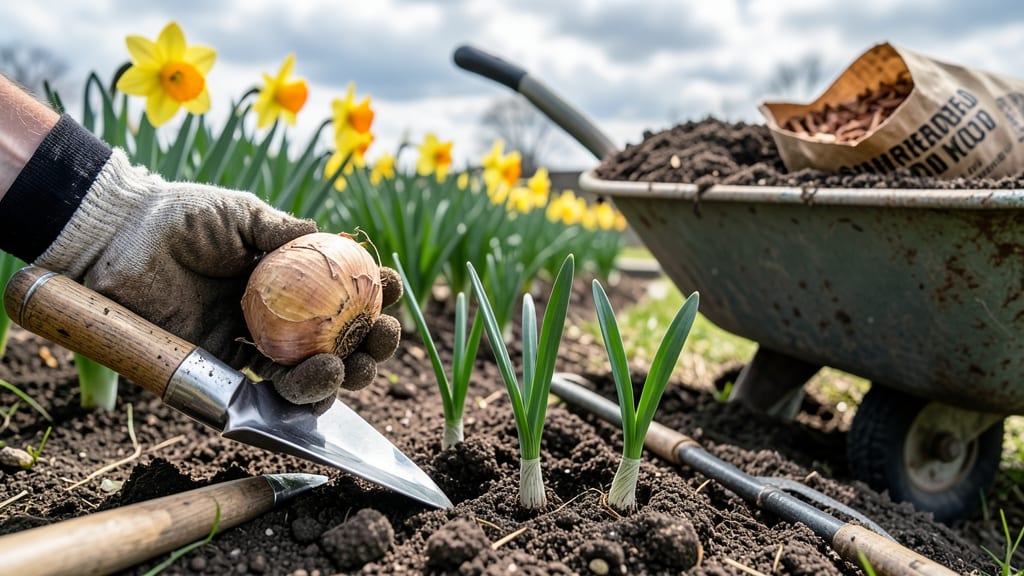
Planting daffodil bulbs in Wisconsin isn’t just about timing—it’s about outsmarting the 4a-5b zone’s early freezes. If you’ve ever watched your neighbors’ 🌼 blooms thrive while yours vanish under snow, you’re not alone. The secret lies in a narrow window where soil cools but doesn’t lock up for winter.
Most gardeners in Wisconsin swear by September through November, but there’s a catch: bulbs planted too early may sprout before frost, while late plantings risk rotting in soggy soil.
I’ll break down the exact 6-week rule before your first hard frost—typically by mid-October—and how to adjust for Wisconsin’s unpredictable weather patterns.
You’ll also discover how to prep your soil for heavy clay, choose the hardiest 🌼 varieties, and even protect bulbs from curious critters. Whether you’re a first-timer or a veteran gardener, these tips will ensure your daffodils burst through the snow next spring, brighter than ever.
Let’s dive into the step-by-step timeline that turns Wisconsin’s toughest winters into your daffodils’ best friend.
Best months to plant daffodil bulbs in Wisconsin for frost resistance
Wisconsin’s USDA Zones 3-5 demand precise timing for daffodil bulbs—plant too early, and they’ll rot; too late, and frost zaps them. The ideal window is September through mid-October, when soil temps hover between 40-50°F but before the ground freezes.
This aligns with Wisconsin’s first hard frost average of October 15, giving bulbs 4-6 weeks to root.
Daffodils thrive when planted 4-6 weeks before frost. In Wisconsin, this typically means late September to early October in most regions, but northern areas (like Zone 3) should aim for September to beat early freezes. Southern Wisconsin (near Zone 5) can stretch planting into mid-October.
Soil temperature is critical—bulbs need 50-60°F soil to root but won’t survive 32°F+ frost. Use a soil thermometer to confirm readiness. If temps drop unexpectedly, cover bulbs with straw mulch (3-4 inches thick) for insulation.
Early planting (August) risks rot in warm, wet soil, while late planting (November) leaves bulbs vulnerable to frost heave. Strike the balance by checking local frost dates—most Wisconsin gardeners target September 15-October 15 for safety.
🌼 Wisconsin Daffodil Planting Timeline
| Month | Ideal Planting Window | Soil Temp (°F) | Frost Risk |
|---|---|---|---|
| August | Early (Zone 5 only) | 60-70°F | Low |
| September | Prime Time (All Zones) | 50-60°F | Moderate |
| October | Last Chance (Before Frost) | 40-50°F | High |
| November | Avoid (Ground Frozen) | Below 32°F | Very High |
⏰ Pro Tip: Use the 50°F soil rule—plant when temps hit this mark but before frost.
Microclimates matter in Wisconsin. Urban areas (like Milwaukee) may stay warmer longer, while rural or northern zones (e.g., Duluth) freeze earlier. Adjust by 1-2 weeks based on your last frost date. Check the Wisconsin State Climatology Office for localized data.
Hardy daffodil varieties (like 'Ice Follies' or 'Tête-à-Tête') tolerate colder soils better than tender types. If you’re in Zone 3, prioritize early planting (September) and deep mulching (6+ inches) to protect bulbs through winter.
Late plantings can still work if you use black plastic mulch or straw bales to insulate soil. However, bulbs planted after October 15 may struggle to root before frost, reducing next spring’s bloom potential.
For container gardening in Wisconsin, plant bulbs in pots by mid-September and move them to a garage or cold frame before winter. This extends the planting window but requires consistent moisture until roots establish.
Remember: Daffodil bulbs need cold exposure to bloom. Planting too late (e.g., November) may result in no flowers the following spring, even if bulbs survive. The 4-6 week pre-frost rule is non-negotiable for Wisconsin success.
How Wisconsin’s soil and climate affect daffodil bulb planting success
Wisconsin’s clay-heavy soil and freezing winters demand special prep to ensure daffodil bulbs thrive. Unlike sandy soils, Wisconsin’s dense soil needs amendments to improve drainage—critical since soggy conditions rot bulbs. Test your soil’s pH (6.5-7.0) and add compost or sand if needed to mimic ideal bulb-growing conditions.
Choose hardy daffodil varieties like ‘Ice Follies’ or ‘Tête-à-Tête’ for Wisconsin’s USDA Zones 3-4. These varieties tolerate colder temps better than tender types. Planting 4-6 weeks before frost (usually by mid-October) gives roots time to establish before winter sets in.
Northern Wisconsin’s shorter growing season means bulbs need extra insulation. Add a 3-4 inch mulch layer of straw or leaves after planting to protect roots from temperature swings. In southern Wisconsin, where winters are milder, mulch can be lighter (2 inches).
⚠️ Common Mistakes to Avoid
- Planting too late: Bulbs need 4-6 weeks to root before frost—don’t wait until November!
- Skipping soil prep: Wisconsin’s clay soil suffocates bulbs if not amended with compost or sand.
- Over-mulching: Too much mulch (6+ inches) can smother bulbs and cause rot.
- Ignoring rodent protection: Use wire mesh to deter voles and squirrels from digging up bulbs.
Wisconsin’s microclimates matter—southern areas (like Milwaukee) can plant bulbs 2 weeks later than northern zones (e.g., Duluth). Adjust your timing by checking your local first frost date and aim to plant when soil temps hit 50-60°F.
After planting, water deeply to settle soil around bulbs, then reduce watering until spring. In dry years, add a 2-inch mulch layer in late fall to retain moisture. Avoid fertilizing in fall—wait until spring when shoots emerge to apply a balanced 10-10-10 fertilizer.
With the right prep, your daffodils will bloom reliably year after year, even through Wisconsin’s harshest winters. The key is timing, drainage, and protection—three factors that make all the difference in the Badger State. 🌱🌿