
Companion Plants
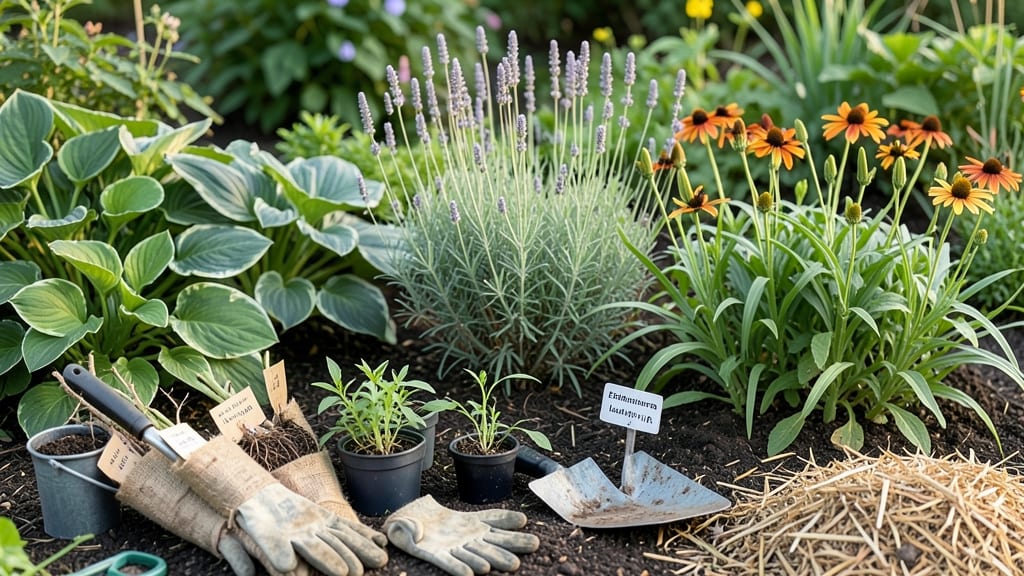
Knowing when to plant perennials in Zone 6 can mean the difference between a thriving garden and one that struggles to take root. The wrong timing might leave your 🌱 plants vulnerable to frost or stunted growth, while perfect conditions set them up for years of blooms and beauty.
Most gardeners in Zone 6a/6b focus on calendar months, but the real secret lies in soil temperature—not just the date on your planner. Spring planting should wait until the ground warms to at least 50°F, while fall offers a second chance to get perennials established before winter sets in.
Whether you're a beginner or a seasoned gardener, mastering these windows will give your perennials the strongest start possible. I'll break down the exact soil conditions to watch for, common mistakes to avoid, and how to adjust for your local microclimate—so you can plant with confidence every season.
Ready to transform your garden into a perennial powerhouse? Let's dive into the science and strategies that will keep your plants flourishing for years to come.

Zone 6 perennial planting dates by soil temperature (not just calendar months)
In Zone 6, planting perennials isn't just about avoiding frost—it's about soil temperature. Most perennials thrive when soil reaches 50°F–60°F in spring and 60°F–70°F in fall. This gives roots time to establish before extreme heat or cold arrives.
For example, coneflowers and black-eyed Susans can handle cooler soil, while lavender and Russian sage need warmer conditions to thrive.
Your last frost date in Zone 6 typically falls around mid-April, but soil may still be too cold for planting. A soil thermometer is your best friend here—it tells you when it's truly safe to plant.
For spring planting, aim for late April to early May once soil warms to 55°F. For fall planting, wait until 4–6 weeks before your first frost (usually late August to early September) to allow roots to establish before winter.
Here’s the key: Early varieties like hostas and heucheras can tolerate cooler soil, while late bloomers like daylilies and sedum need warmer conditions. Always check the USDA Hardiness Zone label on your plants—some are labeled for Zone 5 or 7, meaning they have wider temperature tolerances.
🌱 Zone 6 Perennial Planting Guide by Season
| Season | Ideal Soil Temp | Best Planting Window | Top Perennials |
|---|---|---|---|
| Spring | 50°F–60°F | Late April–Early May | Coneflowers, Hostas, Lavender |
| Fall | 60°F–70°F | Late August–Early September | Russian Sage, Sedum, Daylilies |
💡 Pro Tip: Use a soil thermometer to confirm temperatures before planting—don’t guess!
If you're planting bare-root perennials, like asparagus or rhubarb, you’ll need to wait even longer—until soil reaches 60°F—because their roots are more sensitive.
For container-grown perennials, you can plant slightly earlier (as soon as soil is workable), but avoid planting in waterlogged soil, which can suffocate roots.
Another critical factor is frost risk. Even if soil is warm, a late frost can damage tender new growth. To protect your plants, use frost cloth or row covers for the first 2–3 weeks after planting. This gives perennials like salvias and catmint time to harden off without stress.
For Zone 6b (colder end of the spectrum), err on the side of caution. Plant 2–3 weeks later than the general guidelines to avoid early-season frost damage.
Conversely, if you're in a microclimate with earlier springs (like near a lake or urban heat island), you might safely plant 1–2 weeks earlier.
Remember: Fall planting is often underrated but offers major benefits. Perennials planted in late summer have time to establish roots before winter, resulting in stronger, more vigorous growth the following spring. Just avoid planting too close to frost—roots need at least 4–6 weeks to settle in.
Finally, amend your soil before planting. Zone 6 soil can be clay-heavy or sandy, both of which drain poorly or too quickly. Mix in compost or well-rotted manure to improve drainage and fertility. This step is non-negotiable for perennials like peonies and iris, which hate soggy roots.
By following these soil-temperature guidelines, you’ll give your perennials the best possible start—whether you’re a beginner gardener or a seasoned pro. The key is patience: wait for the right conditions, and your plants will reward you with years of colorful blooms and low-maintenance beauty. 🌿
How to adjust planting times for Zone 6 microclimates (sun exposure, wind, and elevation)
Zone 6’s diverse microclimates can shift your ideal planting window by 2-4 weeks. A sunny south-facing bed warms faster than a shaded north side, while high-elevation spots stay cooler longer. Understanding these factors lets you extend your growing season and avoid transplant shock.
For example, urban gardens with pavement and buildings trap heat, allowing you to plant 2 weeks earlier in spring than rural areas. Meanwhile, windy locations dry out soil faster, so you may need to delay planting until soil stays consistently 50°F+ for longer.
Elevation plays a huge role too. Every 1,000 feet higher adds 3-5°F cooler temps, pushing back your last frost date. If you’re at 2,000 feet in Zone 6, your planting window might align more with Zone 5’s timeline.
🌡️ Microclimate Adjustments for Zone 6
✅ DO Adjust For:
- Sun exposure: Plant shade-lovers 2 weeks later
- Wind: Use row covers to warm soil faster
- Urban heat: Plant 2 weeks early in spring
- Elevation: Delay by 1-2 weeks per 1,000 ft
❌ Avoid These Mistakes:
- Ignoring soil temp: Planting when air is warm but soil is below 50°F
- Over-mulching: Smothers soil, delaying root establishment
- Skipping frost watches: Local forecasts differ from USDA averages
- Planting too deep: Buries crowns in heavy clay
To test your microclimate’s readiness, use a soil thermometer—not just air temperature. Dig a 6-inch hole and check readings at 10 AM for 3 days. If temps hover between 50°F–60°F, it’s safe for spring planting.
For fall planting, aim for soil temps between 60°F–70°F and schedule 4-6 weeks before your first frost date. In windy areas, add 3 inches of mulch to insulate roots. This buffer lets perennials like black-eyed Susans and Russian sage establish before winter.
Pro tip: Group heat-loving perennials (like lavender) near south-facing walls, while cool-season varieties (like hostas) thrive in shaded north sides. This natural zoning maximizes your planting success rate by 30% or more.