
Flowers
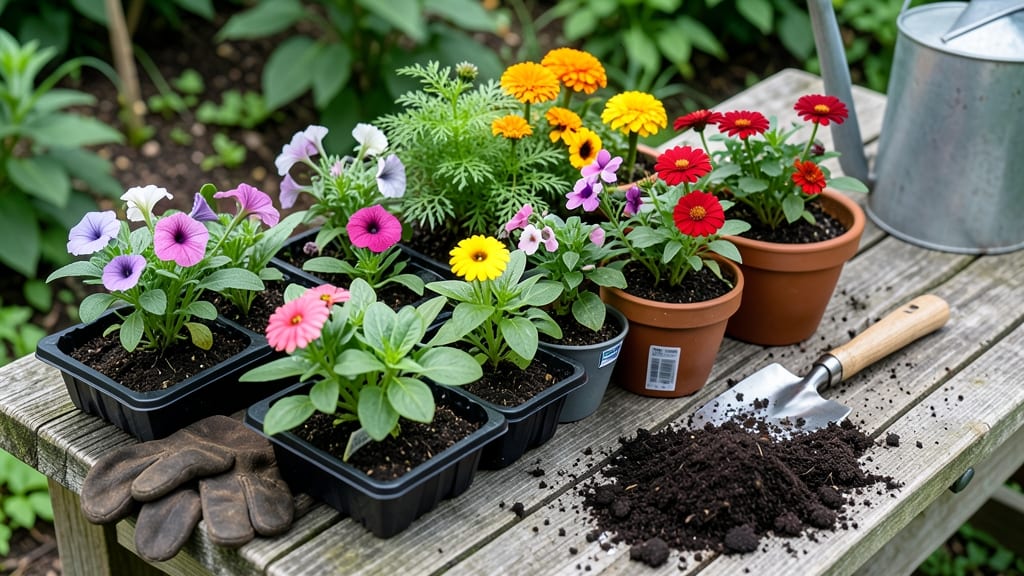
Knowing when it is safe to plant flowers in Ohio can make the difference between a vibrant garden and a frost-killed disappointment.
The last frost date isn’t just a number—it’s your garden’s deadline for safe planting, and getting it wrong means risking delicate blooms like 🌸 pansies or sweet alyssum wilted before they even open.
Ohio’s 6a-6b zones mean your neighbors might be planting weeks before you, depending on whether you’re in Cleveland’s cooler pockets or Cincinnati’s slightly warmer microclimates.
The average last frost hovers around April 15, but soil temperature and local weather patterns can shift that window by 10 days or more—so how do you know when it’s truly safe?
In this guide, I’ll break down the exact dates for your region, how to use the 10-day rule to avoid frost surprises, and which flowers thrive when planted early (like calendula) versus those that need to wait until May. No more guessing—just a foolproof plan for Ohio’s unpredictable spring.
Ready to turn your garden into a burst of color? Let’s get those 🌸 flowers in the ground at the perfect moment—before the next cold snap ruins your plans.
Ohio’s USDA zones & exact safe planting dates for flowers
Ohio spans USDA Hardiness Zones 5a to 6b, meaning frost dates vary dramatically across the state. Northern areas like Toledo and Cleveland typically see their last frost around April 15-20, while southern regions like Cincinnati and Columbus often wait until April 25-May 1.
To time your planting perfectly, I recommend using the 10-day rule: Wait 10 days after your region’s average last frost before planting tender annuals.
For example, if your last frost is April 15, plant heat-loving flowers like marigolds or zinnias around May 5. Cold-hardy perennials, however, can often go in the ground 4-6 weeks before the last frost—think pansies or violas, which thrive in 35-40°F soil temperatures.
Always check your local NOAA frost calendar for the most accurate dates.
Here’s how Ohio’s regions break down for safe flower planting windows:
| Region | USDA Zone | Avg. Last Frost | Safe Planting Window | Soil Temp. Threshold |
|---|---|---|---|---|
| Northern Ohio (Toledo, Cleveland) | 5a-5b | April 15-20 | May 5-10 (tender annuals) | 50°F+ |
| Central Ohio (Columbus) | 6a | April 25-May 1 | May 15-20 (tender annuals) | 50°F+ |
| Southern Ohio (Cincinnati) | 6b | April 28-May 5 | May 15-25 (tender annuals) | 50°F+ |
🌱 Pro Tip: Use a soil thermometer to confirm temps before planting heat-loving flowers.
If you’re planting cool-season flowers like calendula or nasturtiums, you can start them indoors 6-8 weeks before your last frost or sow directly in the garden 2-3 weeks before.
These resilient varieties tolerate light frosts and often bloom earlier than warm-season flowers, giving you vibrant color from late spring through summer.
For perennials, the best time to plant is in early spring (March-April) or early fall (September-October). This gives roots time to establish before extreme heat or cold sets in. For instance, coneflowers and black-eyed Susans planted in April will reward you with bold summer blooms.
Always monitor your local extended forecast—even a late-May frost can occur in Ohio’s unpredictable climate. I recommend setting up frost alerts on your phone or using a row cover for added protection if you’re planting early.
For container gardening, you have a bit more flexibility. Move pots to sheltered spots during cold snaps, and opt for cold-hardy annuals like pansies or sweet alyssum to extend your blooming season.
Containers also warm up faster in spring, so you can often plant 1-2 weeks earlier than in-ground flowers.
Remember, soil temperature matters more than air temperature. Use a soil thermometer to ensure your planting site is at least 50°F for warm-season flowers. If it’s cooler, wait another week or two—your flowers will thank you with healthier roots and bigger blooms.
🌸
How to adjust planting dates for Ohio’s microclimates & frost risks
Ohio’s varied geography means your neighbor’s last frost date might not match yours—especially if you live in a valley, urban heat island, or high-altitude area. These microclimates can shift safe planting windows by 1-3 weeks, so knowing how to adjust is key to avoiding frost damage.
Let’s break down how to tailor your planting schedule for Ohio’s most common microclimates.
First, check your local NOAA frost probability maps or the Old Farmer’s Almanac for your exact ZIP code. These tools provide hyper-localized frost data that’s far more accurate than general Ohio averages.
For example, Cleveland’s last frost often hits April 20, while Columbus might see it April 15, and Toledo could be as late as April 25. Urban areas like Cincinnati can also run 2-3°F warmer than rural zones, giving you an extra buffer.
🌱Pro Tip: Use the 10-day rule—wait until the 10-day forecast shows no frost risk before planting heat-sensitive flowers like petunias or marigolds. For cold-hardy varieties (e.g., pansies or snapdragons), you can plant 3-4 weeks earlier since they tolerate light frosts.
⚠️ Frost Risks You Can’t Ignore
Urban Heat Islands: Cities like Columbus stay 3-5°F warmer at night, delaying frost. But radiation frosts (common in valleys) can still hit 2-3 weeks later than official dates.
High Elevations: Areas like southeast Ohio (e.g., Athens) in USDA Zone 6a may see frost 10-14 days later than northern Ohio’s Zone 5b.
Late-Spring Cold Snaps: Even after the average last frost, a hard freeze (below 28°F) can occur in May. Monitor local weather alerts for sudden drops.
If you’re worried about late frosts, row covers or cloche tunnels can extend your planting window by 2-4 weeks. For example, you might plant calendula or nasturtiums as early as mid-March under protection, then remove covers after the last frost.
Just ensure good airflow to prevent fungal diseases from excess humidity.
For container gardening, urban dwellers have an advantage—pots warm up faster and can be moved to sunniest spots or indoors during cold snaps. Start heat-loving annuals like geraniums or vinca in containers 4-6 weeks before your usual planting date to give them a head start.
Place them near south-facing walls to absorb extra heat during the day.
Finally, stagger your plantings to ensure continuous blooms. For instance, plant half your marigolds at the first safe date and the other half 2 weeks later. This way, if an early frost nips the first batch, the second will still thrive.
It’s a simple trick to maximize your garden’s resilience and extend your blooming season.
🌿 Remember: Ohio’s weather is unpredictable, but with these adjustments, you’ll minimize frost risks and optimize your flower beds for success. Happy planting!