
Plants
If you’ve ever planted daffodil bulbs 🌼 in Texas only to watch them wither before spring, you’re not alone—the timing is everything. The key to vibrant blooms lies in understanding your zone’s heat patterns, not just the calendar.
Texas gardeners know that planting too early risks rot from summer’s lingering heat, while waiting too long means bulbs won’t establish roots before winter chills set in. The 6-8 week window before your first frost is your sweet spot, but Texas’ varied zones (8a-10b) complicate things.
I’ll break down the exact months for your heat zone, plus soil prep tricks to ensure your bulbs thrive. No more guesswork—just zero-frost success for next spring’s cheery displays.
Ready to turn your fall planting into a foolproof plan? Let’s get those bulbs in the ground the right way.
Texas daffodil planting calendar: exact months by heat Zone (7a-10b)
Texas spans USDA zones 7a-10b, meaning your daffodil planting window varies dramatically—from late October in North Texas to January in the Rio Grande Valley. The key is planting 6-8 weeks before your first frost, when soil temps drop below 60°F (15°C) but haven’t yet frozen.
In Zone 10b, where frost is rare, aim for December-January to avoid summer heat stress.
For most Texans, November is the sweet spot. This gives bulbs time to root before winter while avoiding the scorching summer heat that can cause premature sprouting. In East Texas (7a-8a), start as early as mid-October, while West Texas (8b-9a) gardeners should wait until late November.
Always check your local frost dates—the Texas A&M AgriLife Extension has zone-specific guides.
Here’s the non-negotiable rule: Never plant when soil temps exceed 65°F (18°C). Daffodil bulbs rot in heat, so avoid September or early October plantings unless you’re in Zone 10b.
Even then, wait until December to prevent heat damage. Use a soil thermometer ($10 at garden centers) to confirm temps before planting—60°F (15°C) or cooler is ideal.
🌼
| USDA Zone | Planting Window | Soil Temp Goal | Key Consideration |
|---|---|---|---|
| 7a (North Texas) | Mid-October to early November | Below 60°F (15°C) | First frost often by December 15 |
| 8a-8b (Central Texas) | Late October to November | Below 60°F (15°C) | Avoid planting after November 15 |
| 9a-9b (West/South Texas) | November to December | Below 65°F (18°C) | Light frosts possible; plant after Thanksgiving |
| 10a-10b (Rio Grande Valley) | December to January | Below 65°F (18°C) | Frost rare; prioritize cool soil |
If you miss the fall window, don’t panic—daffodils can handle winter planting in Zones 9b-10b. Plant in January for spring blooms, but expect fewer flowers than fall-planted bulbs.
The trade-off? You avoid the summer heat stress that can kill unrooted bulbs. For Zone 7a, winter planting is risky—stick to fall for reliability.
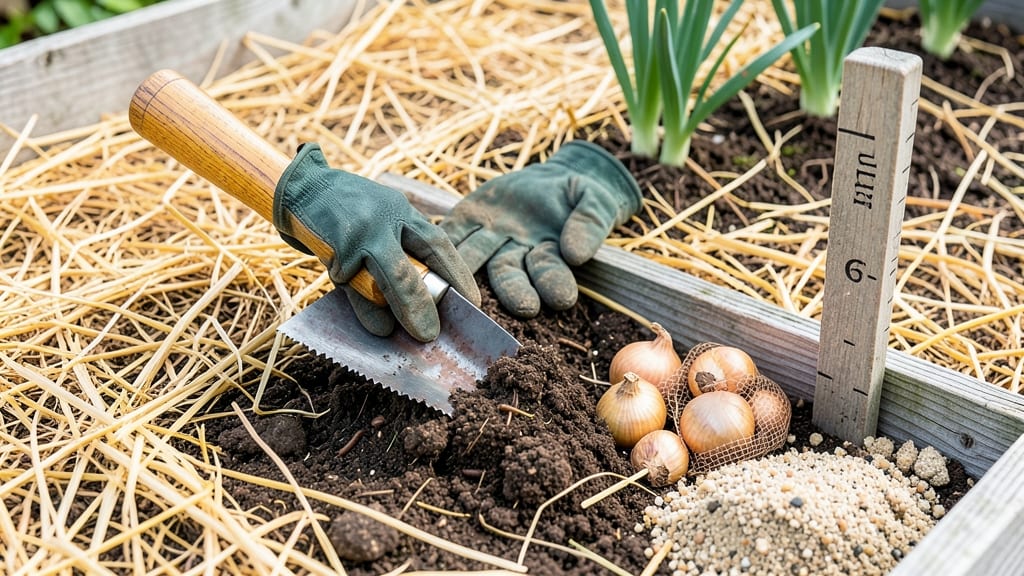
Pro tip: Use a bulb planter (or a trowel) to dig holes 6 inches deep and 6 inches apart. In Texas’ clay-heavy soils, mix in compost or sand to improve drainage.
Place bulbs pointy end up, cover with 2 inches of soil, then mulch with 2-3 inches of straw to insulate roots during winter. This mulch layer is critical in Zone 7a to prevent freeze damage.
Water deeply after planting to settle the soil, then reduce watering until spring rains return. Overwatering in winter can drown bulbs, while underwatering stresses them.
Aim for 1 inch of water per week (including rain) during dormant months. In Zone 10b, where winters are mild, light watering every 2-3 weeks suffices.
Timing isn’t just about months—it’s about soil conditions. Wait until afternoon soil temps consistently drop below 65°F (18°C). Check with your local Cooperative Extension office for real-time soil data.
For example, Austin (Zone 8b) often hits 60°F (15°C) by mid-November, while Dallas (Zone 8a) may need to wait until late November.
🌱
Remember: Late plantings still bloom, but expect smaller flowers and fewer blooms. The 6-8 week rule before frost ensures
Critical signs your Texas soil is ready for daffodil bulbs (and how to fix it)
Texas soil can be tricky—too hot, too dry, or too heavy, and your daffodil bulbs will struggle to establish roots. Before planting, check for these three critical signs of readiness: cool soil temperatures (below 70°F), proper drainage, and adequate moisture retention.
If your soil fails any of these tests, simple fixes can save your bulbs from rot or dormancy.
First, test your soil temperature using a soil thermometer. Daffodil bulbs need 60-65°F soil to root properly.
In North Texas (Zone 8a), aim for October planting when temps drop below 70°F. In South Texas (Zone 9b-10b), wait until December—planting too early means bulbs will bake in the heat.
Next, assess drainage by digging a 6-inch hole and filling it with water. If the water drains in less than 30 minutes, your soil is ideal.
If it pools for hours, amend with sand or perlite (20% of the soil mix). Clay-heavy soils in East Texas often fail this test—mix in composted pine bark to improve airflow.
⚠️ Warning: Overwatered Soil = Bulb Rot
Daffodils hate soggy conditions. If your soil stays waterlogged for more than 24 hours, bulbs will rot before sprouting. Test drainage before planting—never assume "Texas clay" will magically improve.
Now, check moisture levels. Stick your finger 2 inches into the soil—it should feel damp but not wet. If it’s bone-dry, water deeply 24 hours before planting to mimic natural autumn moisture.
In West Texas (Zone 8b-9a), where summers are brutal, pre-watering is non-negotiable. Use a moisture meter for precision.
For sandy soils (common in Hill Country), mix in peat moss or coconut coir to help retain moisture. These amendments create a balanced texture that mimics the bulbs’ native Mediterranean habitat.
Avoid heavy fertilizers before planting—they’ll burn tender roots. Instead, add composted manure (1 inch mixed into the top 6 inches of soil) for slow-release nutrients.
Finally, adjust your planting depth based on soil type. In light, sandy soil, plant bulbs 6-8 inches deep to protect them from heat. In heavy clay, shallow to 4-6 inches to prevent waterlogging.
Mulch with 2-3 inches of straw after planting to insulate bulbs from Texas’s unpredictable freezes and retain moisture.
With these adjustments, your Texas soil will mimic the ideal conditions daffodil bulbs crave: cool, well-draining, and consistently moist. Skip these steps, and you’ll risk bulbs that rot in summer or fail to bloom next spring. The extra effort now means vibrant yellow trumpets by February—worth every minute!