
Plants
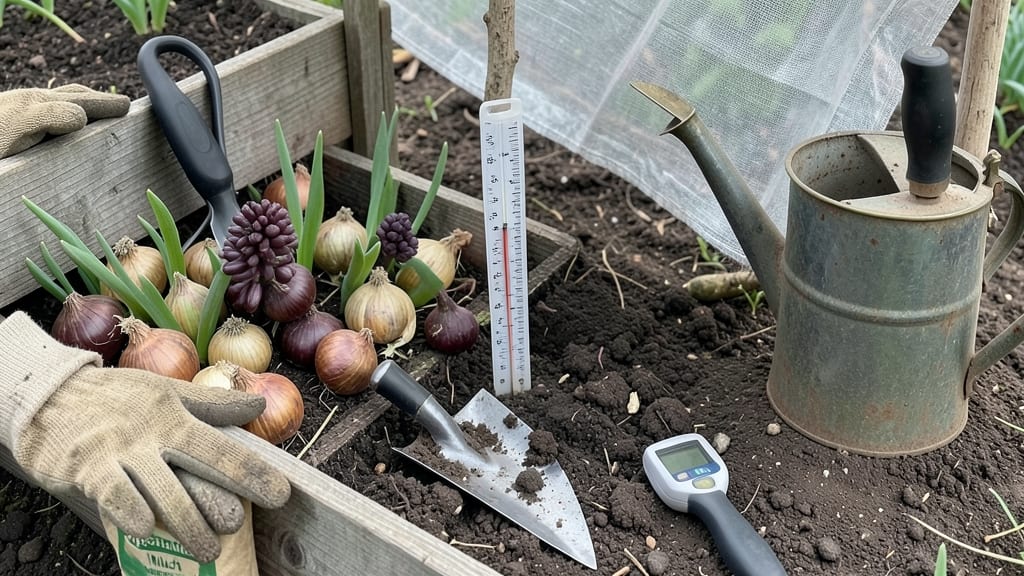
Timing your when to plant bulbs in Arizona can make or break your garden—get it wrong, and those vibrant spring blooms might never appear. Arizona’s unique climate, with its scorching summers and rare frosts, demands a different approach than traditional planting guides.
The key is working with the desert’s rhythm, not against it, to give bulbs the best shot at thriving.
Most gardeners know fall is the prime window for planting 🌱 bulbs (General) in cooler climates, but Arizona’s 9b zone offers a longer stretch—from October through January. This extended period lets you plant everything from classic tulips to heat-loving desert marigolds without worrying about early frosts.
The secret? Starting early enough so roots establish before summer’s relentless heat kicks in.
What sets Arizona apart is how we adapt to its extremes. While some bulbs, like agave or desert daffodils, handle the heat better, others need special care—like deeper planting or shade during peak afternoons.
I’ll break down exactly which bulbs shine here, when to plant them for maximum impact, and how to keep them happy through the desert’s quirks.
Ready to transform your yard into a springtime paradise? Let’s dive into the desert-specific strategies that’ll have your bulbs blooming like never before—without the guesswork. You’ve got this!
Best months to plant spring-flowering bulbs in Arizona’s low-desert zones
Arizona’s low-desert zones (like Phoenix and Tucson) offer a unique challenge for bulb planting—no frost means traditional timing doesn’t apply. Unlike colder climates, you can plant spring-flowering bulbs like tulips and daffodils year-round, but October through January delivers the best results.
This window ensures bulbs establish roots before summer’s 110°F+ heat stalls growth.
Most gardeners in USDA Zone 9b focus on fall planting (October-November) because cooler temps mimic ideal conditions. However, winter planting (December-January) works too—just water deeply to combat dry air. The key is avoiding summer planting, which risks bulb rot from extreme heat and poor soil moisture.
Pro Tip: Test soil moisture before planting—dry soil means bulbs won’t root properly. Aim for 60% soil moisture at planting depth (4-6 inches down). In Arizona’s clay-heavy soils, amending with compost or coconut coir improves drainage and water retention.
For spring blooms, prioritize planting in October—this gives bulbs 3-4 months to root before summer. Use a bulb planter or trowel to place bulbs 6-8 inches deep (twice their height) in well-draining soil.
In sandy soils (common in Yuma), add organic matter like composted leaves to retain moisture.
Watch for squirrels and javelinas, which dig up bulbs in Arizona gardens. Use chicken wire cages or plant bulbs near succulents (which they ignore). Mulch with gravel or straw to deter pests and reduce evaporation. Avoid organic mulch like wood chips—it attracts termites in desert climates.
In high-desert areas (Flagstaff, Prescott), frost can still occur in December. Plant hardier bulbs like desert marigolds (Baileya multiradiata) or agave offsets earlier (September) to account for cooler temps. These varieties tolerate brief frost and thrive in USDA Zone 7a.
After planting, water deeply once and then reduce frequency—bulbs need minimal moisture once roots establish. Overwatering causes rot in summer heat. In containers, use cactus/succulent mix to prevent soggy soil. Place pots in shade cloth during 100°F+ days to protect bulbs.
Expect blooms March through May, but don’t cut flowers—let them seed naturally to attract pollinators like desert bees. After blooming, leave foliage until it yellows (6-8 weeks) to feed the bulb for next year’s growth.
In Arizona’s 115°F summers, bulbs enter dormancy—no watering needed until fall rains return.
How to time fall-planted bulbs for Arizona’s short growing season
Arizona’s fall-planted bulbs like amaryllis and paperwhites need special attention—they must establish roots before summer’s brutal heat arrives. Unlike northern climates, we don’t have a long dormant period, so timing is everything.
Plant too early, and bulbs may rot; too late, and they won’t bloom. Aim for October through mid-November when soil temps drop below 80°F but before winter rains arrive.
Most bulbs need 6-8 weeks to root before winter dormancy. In Arizona’s USDA Zone 9b, this means planting between October 15 and November 15. For example, amaryllis (Hippeastrum) thrives when planted in late October, while paperwhites (Narcissus papyraceus) can wait until November.
Adjust based on your elevation—higher desert areas (like Flagstaff) can plant slightly later.
Prep your soil like a pro: Arizona’s sandy, fast-draining soil isn’t ideal for bulbs. Mix in 2-3 inches of compost or well-rotted manure to retain moisture. For containers, use a 50/50 blend of potting mix and perlite to prevent root rot.
Plant bulbs 2-3 times as deep as their diameter—deeper in hot areas to keep them cool.
Choose heat-tolerant varieties like desert daffodils (Narcissus papyraceus) or rain lilies (Zephyranthes), which handle Arizona’s climate better than traditional tulips. After planting, mulch with 1-2 inches of straw to insulate roots and reduce water evaporation.
Remove mulch in early spring to let bulbs warm up for blooming.
Watch for signs of stress: Yellowing leaves before blooming? You’re overwatering. Wilted foliage in summer? The bulbs are dormant—stop watering entirely until fall rains return.
Most bulbs need 6-8 weeks of post-bloom foliage to recharge for next year, so resist the urge to cut back stems until they’ve fully browned.
Pro tip: Plant paperwhites in containers for patio displays—they bloom in 6-8 weeks and thrive in Arizona’s short winter. Force them indoors in December for a holiday centerpiece, then replant outdoors in spring after the last frost risk.
With this timing, you’ll enjoy blooms year after year without the guesswork.