
Plants
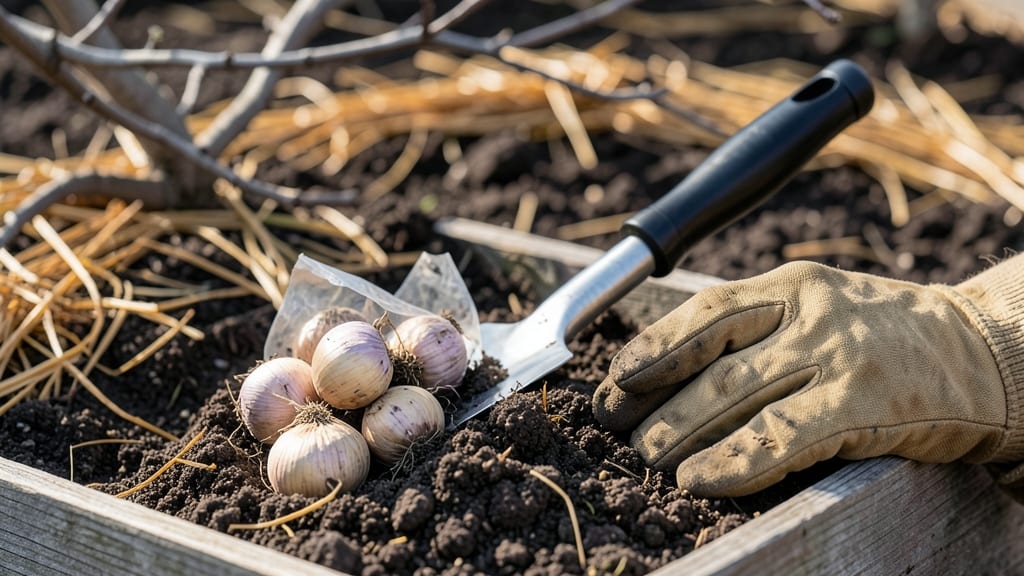
If you want vibrant 🌼 daffodils blooming in your Seattle garden next spring, when to plant daffodil bulbs in Seattle is critical—and getting it wrong could mean wasted bulbs.
Seattle’s mild but unpredictable winters demand precision, so planting too early risks frost damage while waiting too long leaves bulbs struggling to root before the ground freezes.
The perfect window for planting daffodil bulbs in Seattle is between October and November, when soil temperatures drop but frost hasn’t yet set in. This 6-week window gives bulbs time to establish roots while protecting them from Seattle’s notorious late-season chills.
Whether you’re in the rainy west side or the drier east side, mastering this timing ensures your bulbs thrive despite the Pacific Northwest’s quirks.
I’ll walk you through the exact steps to time your planting for zero-frost success, from adjusting for microclimates to choosing the right bulb depth. With these insights, you’ll avoid common mistakes and enjoy a burst of color come spring—no matter what Seattle’s weather throws your way.
Ready to transform your garden? Let’s dive into the science-backed approach that works for Seattle’s Zone 8a climate, so your daffodils get the start they deserve.
Seattle’s ideal daffodil planting window: month-by-month breakdown
Seattle’s USDA Zone 8a climate creates a 4-6 week window for planting daffodil bulbs—timing that balances soil temperature and frost risk. The ideal period starts in late October and continues through early November, ensuring bulbs establish roots before winter sets in.
This window aligns with Seattle’s average first frost date of November 15, giving bulbs 6-8 weeks of root growth before dormancy.
Planting too early (before mid-September) risks rot from excess moisture, while waiting until December may leave bulbs vulnerable to freezing soil. The optimal window ensures bulbs develop strong roots while avoiding late-season frost damage.
For Seattle gardeners, this means mid-October to early November is your sweet spot for zero-frost success.
Here’s how Seattle’s month-by-month conditions affect planting timing:
| Month | Soil Temp (°F) | Planting Window | Risk Level | Notes |
|---|---|---|---|---|
| September | 55-65°F | Early (West Side) | Low | Safe for west-side microclimates; avoid east-side areas. |
| October | 45-55°F | Optimal (Citywide) | None | Best time for root establishment before frost. |
| November | 35-45°F | Late (East Side) | Moderate | Plant by November 10 for east-side safety. |
| December | 30-40°F | Avoid | High | Risk of frost damage to newly planted bulbs. |
Seattle’s west-side (e.g., Ballard, Fremont) enjoys milder temperatures, allowing for earlier planting in late September, while the east-side (e.g., Bellevue, Kirkland) benefits from extending planting into early November. Always check your local frost forecast—Seattle’s 10-day outlook can shift planting dates by weeks.
For container gardening, plant bulbs in late October to ensure they’re established before pots freeze. Use well-draining soil and place containers in sheltered locations to protect roots. Containers warm up faster in spring, often producing blooms 2-3 weeks earlier than in-ground plantings.
If you miss the ideal window, don’t panic! December plantings can still work if you use extra mulch (4-6 inches) and plant bulbs deeper (8 inches) for added frost protection. Just be prepared for smaller blooms the first year as bulbs recover.
Pro tip: Mark your planting calendar with Seattle’s historical frost dates. The National Weather Service provides local frost predictions—bookmark their Seattle forecast page for real-time updates. This simple step can save your daffodils from a frosty surprise.
Remember, daffodils are hardy perennials—even if you plant at the last minute, they’ll often bounce back. But for show-stopping blooms, stick to the October-November window and watch your garden transform into a springtime masterpiece.
How to adjust planting for Seattle’s microclimates (rainy west vs. dry east)
Seattle’s microclimates create dramatic differences in frost timing and soil moisture—your west-side garden might get 10°F colder than your east-side plot just miles away. These variations mean planting windows shift by weeks depending on where you live.
Let’s break down how to adapt your daffodil bulb schedule for Seattle’s most common zones.
West Seattle (e.g., West Shore, Ballard) experiences cooler, wetter winters with earlier frosts due to marine influence. The average first frost hits around November 1-15, so aim to plant daffodil bulbs by late October to give roots time to establish before winter sets in.
East Seattle (e.g., Bellevue, Kenmore) enjoys drier, slightly warmer conditions with later frosts (often mid-November), giving you a 2-week buffer to plant as late as early November.
| Zone | First Frost Avg. | Ideal Planting Window | Adjustments Needed |
|---|---|---|---|
| West Seattle (Ballard, West Shore) | Nov 1-15 | Late Oct - Early Nov | Plant earlier (by Oct 25). Use extra mulch (4-6 inches) to insulate bulbs. |
| East Seattle (Bellevue, Kenmore) | Mid-Nov | Early Nov | Can plant later (up to Nov 10). Deeper planting (7-8 inches) helps in drier soil. |
| Central Seattle (Fremont, Capitol Hill) | Nov 5-10 | Late Oct - Mid-Nov | Standard timing works. Companion plants (like heuchera) add frost protection. |
For wet west-side gardens, prioritize well-draining soil—Seattle’s clay-heavy soil can trap moisture, leading to bulb rot. Amend with compost or sand to improve drainage. In drier east-side areas, focus on water retention by adding organic mulch (like straw) to lock in moisture.
Both zones benefit from planting bulbs in slightly raised beds, which naturally improves drainage and warms soil faster in spring.
Pro tip: Use local frost data from the National Weather Service or Seattle’s P-NW Climate Tool to fine-tune your schedule.
For example, if your neighborhood had an early frost in October last year, shift planting 2 weeks earlier this season. Test soil temperature—bulbs need 40-50°F soil to root properly, and west-side soils cool faster due to moisture.
If you’re unsure about your microclimate, observe nearby ornamental grasses or perennials—their bloom cycles often mirror daffodil readiness. For instance, if salmonberry bushes are flowering early in your area, it’s a sign to plant bulbs sooner. Conversely, if winter creeper stays green late, you’ve got extra time.
Finally, group bulbs by variety based on your zone. Tete-a-Tete daffodils (dwarf) thrive in both zones, while Ice Follies (taller) need extra winter protection in west-side gardens.
Adjust spacing too—west-side bulbs can be planted closer together (3 inches apart) for mutual frost protection, while east-side bulbs need 6 inches apart to avoid competition for water.
With these microclimate tweaks, your daffodils will bloom reliably year after year, turning Seattle’s unpredictable weather into an advantage. 🌼