
Planting
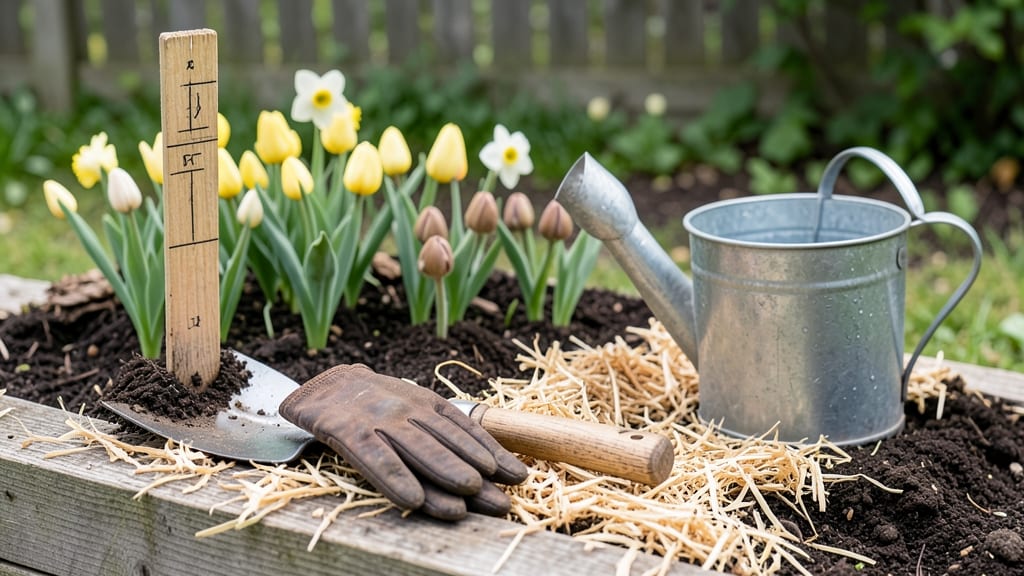
If you’ve ever wondered when can you plant bulbs in the spring, timing is the secret to vibrant blooms—not just guesswork. Cold-hardy varieties like tulips and daffodils need patience; planting too soon risks frost damage, while waiting too long may cut their bloom season short.
Most gardeners in Zone 6 (and similar climates) should aim for mid-to-late spring, once soil temperatures hit 40–50°F and frost warnings fade. But here’s the catch: regional differences matter—Pacific Northwest gardens may start earlier, while Southern states can push planting into June for heat-tolerant types.
I’ll break down the ideal windows by zone, plus how to prep soil and spot the perfect moment (hint: it’s not just about dates). Whether you’re a first-timer or a seasoned gardener, these tips will help you avoid common mistakes and maximize your 🌱 Spring-Planted Bulbs’ potential.
Ready to transform your garden? Let’s dive into the science—and a few surprises—behind getting it right the first time.
Spring bulb planting timeline: when to plant by US hardiness Zone
Timing your spring bulb planting depends on USDA hardiness zones, last frost dates, and soil temperature. Most cold-hardy bulbs like tulips and daffodils thrive when planted after soil reaches 40-50°F.
In colder zones (3-5), wait until late April or early May, while warmer zones (7-10) can start as early as March.
Regional variations matter—Pacific Northwest gardens often see earlier planting due to milder winters, while Midwest gardens may need to delay until mid-May to avoid late frosts. Always check your local frost-free date and adjust accordingly.
For Zone 6 (common in the Midwest), aim for planting between April 15 and May 15. In Zone 8 or 9 (southern states), March is ideal, but avoid planting in waterlogged soil, which causes rot.
🌱
| USDA Zone | Ideal Planting Window | Soil Temp Requirement | Key Considerations |
|---|---|---|---|
| Zones 3-5 | Late April–Early May | 40–50°F | Wait for last frost; mulch after planting |
| Zones 6-7 | Mid-April–Mid-May | 45–55°F | Plant after April 15; avoid soggy soil |
| Zones 8-10 | February–March | 50–60°F | Early start; use shade cloth if hot |
| Pacific Northwest | March–Early April | 45–55°F | Milder winters; plant 2 weeks earlier |
If you miss the spring window, don’t panic—some hardy bulbs (like alliums) tolerate late planting. However, tulips and hyacinths planted after June may not bloom until next year. For best results, stick to the recommended timeline for your zone.
Pro tip: Use a soil thermometer to confirm readiness. Bulbs need consistent warmth to root before shoots emerge. In Zone 6, this usually happens by mid-April.
For container gardening, plant bulbs in pots by late March (Zones 7-10) or April (Zones 3-6). Containers warm up faster, so adjust timing 1-2 weeks earlier than in-ground planting.
🌷
After planting, mulch with 2-3 inches of straw to retain moisture and regulate soil temperature. This is especially critical in Zone 3-5, where sudden frost can damage tender shoots. Water deeply once a week until foliage dies back in late summer.
💧
Signs your spring bulbs are ready to plant (and when to wait)
Spring bulb planting isn’t just about dates—it’s about soil conditions and plant readiness. Cold-hardy bulbs like tulips and daffodils need 40–50°F soil to wake from dormancy.
Use a soil thermometer to check; if it’s cooler, wait. Even if your local frost date has passed, chilly nights can still damage tender shoots.
Watch for foliage emergence as your first clue. When green shoots appear above the soil, it’s a sign the bulb is ready to be planted. If you’re planting pre-chilled bulbs (like many hybrid tulips), they’ll sprout faster in warm soil.
For naturalized bulbs (e.g., wild garlic), wait until the ground is workable and frost risk is minimal.
Moisture matters too. Dry soil can stress bulbs, while waterlogged conditions invite rot. Aim for moderately moist soil—like a wrung-out sponge. If your garden is soggy after rain, hold off until it drains better.
A quick finger test: Dig down 2–3 inches; if it feels damp but not sticky, it’s ideal.
Cold snaps after planting can kill emerging shoots. Even hardy bulbs like crocuses may rot if planted in frozen ground. Always check your local frost forecast and err on the side of caution. Late spring plantings (June) work for heat-tolerant varieties like dahlias, but most spring bulbs need cooler weather to thrive.
Don’t ignore bulb condition either. Discard any that feel soft or shriveled—these won’t survive. Healthy bulbs should be firm and plump, with no mold or signs of pests. If you’re unsure, soak them in a 10% bleach solution for 10 minutes to sterilize before planting.
For container gardening, timing shifts slightly. Potted bulbs can go in 2–4 weeks earlier than in-ground ones because containers warm up faster. Just ensure pots have drainage holes to prevent root rot. Place them in a sheltered spot until nighttime temps stay above 45°F consistently.
If your spring arrives late (like 2021’s frost delays in the Midwest), don’t panic. Many spring-planted bulbs can handle June plantings if you choose heat-tolerant varieties like rain lilies or spider lilies. Just mulch heavily to retain moisture and shield roots from heat.