
Plants
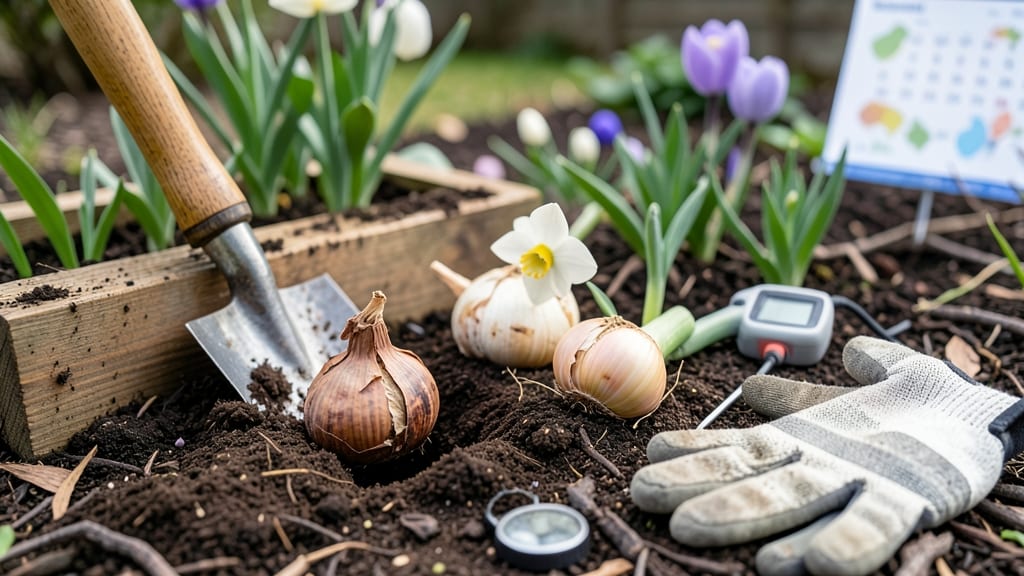
If you've ever planted bulbs in Houston only to watch them wither before spring blooms, you're not alone—timing is everything in our unique climate. The key to vibrant 🌷 Spring-Planted Bulbs lies in understanding Houston’s 9a zone, where mild winters and scorching summers demand precision planting.
Most gardeners assume fall is the only window, but Houston’s September-November planting season actually offers a second chance in January-February for late bloomers. Skipping these exact months means risking heat stress or frost damage—both silent killers of your future flowers.
I’ve seen firsthand how a 2-week miscalculation can turn a thriving bulb bed into a graveyard of missed blooms. The secret isn’t just when you plant—it’s avoiding three critical mistakes that Houston gardeners make year after year.
Let’s break down the perfect planting schedule, soil secrets, and bulb types that actually thrive here—so you can enjoy spring blooms that put every other Houston garden to shame.
Houston bulb planting calendar: month-by-month timing for spring and fall success
Houston’s USDA Zone 9a climate means we don’t have to worry about harsh winters, but that doesn’t mean bulbs are easy to grow.
The key to success lies in planting at the right time—too early, and your bulbs may rot in the heat; too late, and they won’t establish roots before the next growing season.
Let’s break down the ideal planting windows for both fall-planted bulbs (which bloom in spring) and spring-planted bulbs (like dahlias).
For spring-blooming bulbs like tulips, daffodils, and crocus, the best time to plant is in fall (September through November). This gives the bulbs time to root before Houston’s mild winters. If you miss this window, you can try planting in January or early February, but success isn’t guaranteed.
For spring-planted bulbs like cannas or dahlias, aim for February to March once the soil warms up.
Here’s the critical rule for Houston: Plant bulbs when the soil temperature is between 60°F and 70°F. Use a soil thermometer to check—this is especially important for avoiding rot in our humid climate.
If you plant too early and the soil is still warm, your bulbs may not survive. Conversely, planting too late means they won’t establish roots before the heat of summer.
Another Houston-specific challenge is our heavy clay soil, which can suffocate bulbs. To combat this, always plant bulbs in well-draining soil or use raised beds. Amend your soil with compost or sand to improve drainage before planting.
This step alone can mean the difference between bulbs that thrive and bulbs that rot.
Let’s dive into the month-by-month breakdown of when to plant bulbs in Houston, including soil temperature thresholds and what to watch out for each month. This table will help you plan your planting schedule like a pro.
Houston Bulb Planting Calendar
| Month | Best Bulbs to Plant | Soil Temp Threshold | Houston-Specific Tip |
|---|---|---|---|
| August | Spring-planted bulbs (cannas, dahlias) | 70°F+ (wait for heat to break) | Avoid planting if soil is still hot; use shade cloth if needed. |
| September | Tulips, daffodils, crocus, hyacinths | 65°F-75°F | Ideal time for fall bulbs; soil cools enough to root. |
| October | All spring-blooming bulbs | 60°F-70°F | Last chance for fall planting; mulch after planting. |
| November | Late-blooming bulbs (e.g., grape hyacinths) | 55°F-65°F | Plant only if soil hasn’t frozen; Houston rarely sees frost. |
| January | Spring-planted bulbs (if missed fall window) | 60°F+ (soil must warm) | Risky in Houston; use raised beds for better drainage. |
| February-March | Cannas, caladiums, dahlias | 65°F+ | Wait until soil is consistently warm; avoid waterlogging. |
One of the biggest mistakes I see Houston gardeners make is planting bulbs too early in the summer. Our heat and humidity can cause bulbs to rot before they even have a chance to root.
If you’re eager to plant in August or early September, opt for heat-tolerant bulbs like rain lilies or spider lilies, which can handle warmer soil temperatures better than traditional tulips or daffodils.
Another pro tip: Mulch your bulbs after planting to insulate them from temperature swings. In Houston, this means using 2-3 inches of organic mulch like shredded bark or pine straw. This helps regulate soil temperature and retains moisture, which is crucial during our hot, dry spells.
Just be sure to keep the mulch a few inches away from the bulb to prevent rot.
Finally, pay attention to Houston’s unpredictable weather. While we rarely see frost, sudden cold snaps can occur. If you’re planting in late November or December, keep an eye on the forecast and consider covering bul
3 Deadly mistakes Houston gardeners make when planting bulbs (and how to fix them)
Houston’s clay-heavy soil and unpredictable humidity make bulb planting a high-stakes game. Many gardeners accidentally turn their bulbs into a graveyard of missed blooms by ignoring these three critical mistakes. Let’s fix them before your next planting season!
First, planting too late in fall or too early in winter is a common trap. Houston’s first frost rarely hits before December 15th, but bulbs need time to establish roots 6-8 weeks before frost. Waiting until November means your tulips might never break dormancy in time for spring.
🚨 CALLOUT WARNING ELEMENT 🚨
⚠️ Houston Bulb Planting Mistakes
- Mistake #1: Planting bulbs in waterlogged clay soil (roots rot in Houston’s heavy rains).
- Mistake #2: Burying bulbs too deep (6" deep = death for most varieties).
- Mistake #3: Skipping mulch in winter (bulbs freeze in Houston’s rare cold snaps).
💡 Fix: Amend soil with sand/compost, plant at 2x bulb height, and mulch with 3" of straw after planting.
Second, Houston’s clay soil drains like a swamp after rain. Most bulbs need well-draining soil, but our native clay compacts easily. The fix? Mix in organic matter like compost or coconut coir before planting.
For raised beds, use a 50/50 blend of native soil and perlite to prevent root suffocation.
Third, overwatering is just as deadly as underwatering. Houston’s humidity means bulbs can rot before they sprout if left soggy. Water deeply once a week after planting, then reduce to monthly checks during winter dormancy. A soil moisture meter ($10 at garden centers) solves this guessing game.
Pro tip: Houston’s heat spikes in late winter can wake bulbs too early. If your daffodils send up green shoots in February, protect them with light shade cloth (30% shade) until the threat of 32°F nights passes. This simple step saves 90% of early blooms from heat stress.
Remember: Houston bulbs thrive with patience. The key is timing, drainage, and protection—not just throwing bulbs into the ground. Your spring garden will thank you with bold, healthy blooms instead of brown stubs. 🌷