
Plants
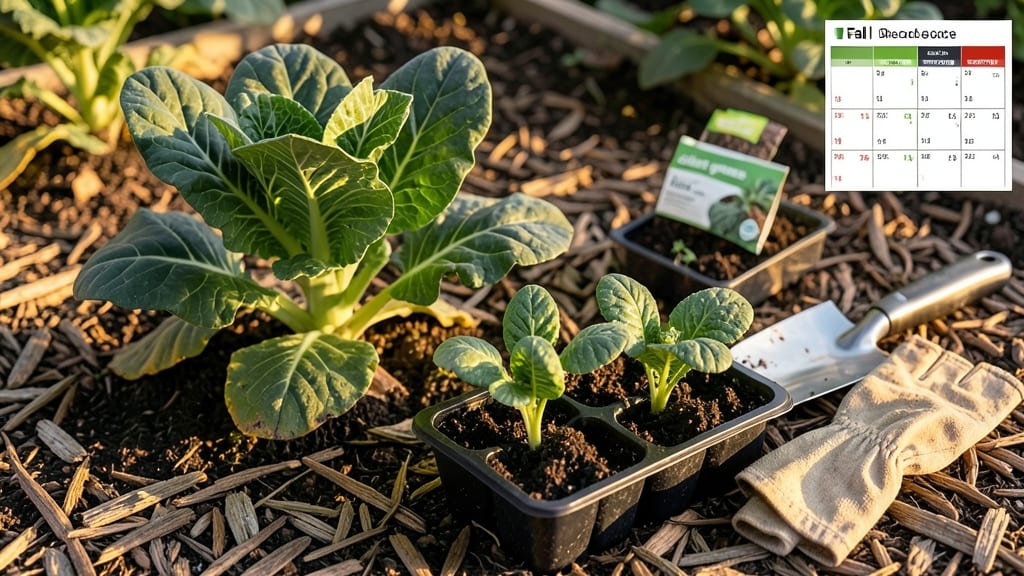
If you’ve ever wondered when to plant collard greens in SC at the wrong moment—whether too early in spring or too late in fall—timing is the secret weapon behind bitter leaves or wilted disappointment. Planting collard greens in South Carolina at the wrong time can turn your garden dreams into frost-kissed frustration.
Here’s the truth: SC’s mild winters and long growing season give you two prime windows for collards, but each zone (from coastal Charleston to the Piedmont’s Greenville) has its own frost-free deadlines. Get it right, and you’ll enjoy tender greens from October through spring. Miss the mark, and you’ll be left with sad, stunted plants.
I’ll break down exactly when to sow seeds in USDA Zone 8a—whether you’re in the Lowcountry or the Upstate—plus how to adjust for those tricky early freezes or late heatwaves. No more guessing: just a foolproof schedule to grow collards that thrive year after year.
Ready to harvest crisp, flavorful greens all season? Let’s dive into the perfect planting calendar for your SC garden.
South Carolina collard green planting zones: frost dates by region
South Carolina’s diverse climate—from the coastal lowcountry to the Upstate mountains—means frost dates vary wildly. Collard greens thrive in USDA zones 7a-8b, but your exact planting window depends on whether you’re in Charleston’s humid subtropical zone or Greenville’s cooler Piedmont region.
Get the timing wrong, and you’ll either lose seedlings to early frost or watch your greens bolt in summer heat.
Most of South Carolina falls into USDA zone 8a, where the average last spring frost is around March 15 and the first fall frost typically hits November 15. However, elevations over 1,000 feet (like in the Upstate) can push frost dates 2-3 weeks earlier.
Coastal areas, meanwhile, may see milder winters with later frosts—sometimes as late as December 1.
To simplify, I’ve broken down planting windows by region, including Charleston, Columbia, Greenville, and Upstate areas. Use these as your frost-free deadlines to time your collard greens perfectly for harvest.
🌱 Pro Tip: Always check your local Cooperative Extension Service for year-to-year variations, especially if you’re near the fall line (the invisible boundary between Upstate and coastal climates).
For coastal gardeners, aim to plant fall collards by August 15 to ensure a harvest before December’s potential frost.
In the Upstate, shift your focus to spring planting after March 15—any earlier, and you’ll risk frost damage to young seedlings. Midlands gardeners have the most flexibility, with two solid planting windows in both spring and fall.
If you’re in zone 8b (e.g., Hilton Head), you can push fall planting to early October and still enjoy greens through December. Just be ready to cover plants with frost cloth
Best collard green planting times: fall vs. spring strategies
South Carolina’s two ideal planting windows for collard greens—fall and spring—offer distinct advantages. Fall planting gives you hardier, frost-tolerant crops that sweeten with cold weather, while spring planting lets you enjoy tender young leaves before summer’s heat.
Let’s break down the best strategies for each season to maximize your harvest.
For fall planting, aim to sow seeds 4-6 weeks before your first frost date. In most of SC, this means August through early September. This timing ensures your collards mature before winter sets in, giving you a long harvest window from October through December.
If you’re in the Upstate (Zone 7a), push planting to late July or early August to avoid early frosts.
Spring planting should happen as early as possible—February to early March—once soil temperatures reach 40°F. Planting too early risks frost damage to young seedlings, while waiting too long may mean your collards bolt in the heat. In coastal SC (Zone 8a), you can even start seeds indoors in January for a head start.
Fall Planting vs. Spring Planting
Fall Planting
- ✅ Pros: Hardier plants, sweeter after frost, longer harvest window
- ✅ Ideal for: Zone 7a (Upstate) - late July; Zone 8a (coastal) - August-Sept
- ✅ Soil prep: Add compost for winter nutrition
Spring Planting
- ✅ Pros: Tender young leaves, avoids summer heat stress
- ✅ Ideal for: February-March when soil reaches 40°F
- ✅ Soil prep: Test pH (6.0-7.0) and amend with organic matter
Common Mistakes to Avoid
- ❌ Planting too late in fall – Leaves won’t mature before frost
- ❌ Skipping soil prep – Poor drainage causes rot in winter
- ❌ Overcrowding seeds – Thins to 12-18" apart for air circulation
To extend your harvest, try succession planting every 2-3 weeks in fall or spring. This ensures a continuous supply of fresh leaves without overwhelming your garden at once.
For example, plant a small batch in August, another in mid-September, and a final one in late September to cover all frost scenarios.
Pro tip: Use row covers or cold frames to protect fall-planted collards from unexpected early frosts. This extends your harvest window by 2-4 weeks in most of SC. Just remove covers during the day to prevent overheating and pest buildup.
Remember, collard greens are cool-season powerhouses that reward patience. Whether you choose fall or spring planting—or both—your garden will thank you with bold, flavorful leaves all season long. 🌱