
Plants
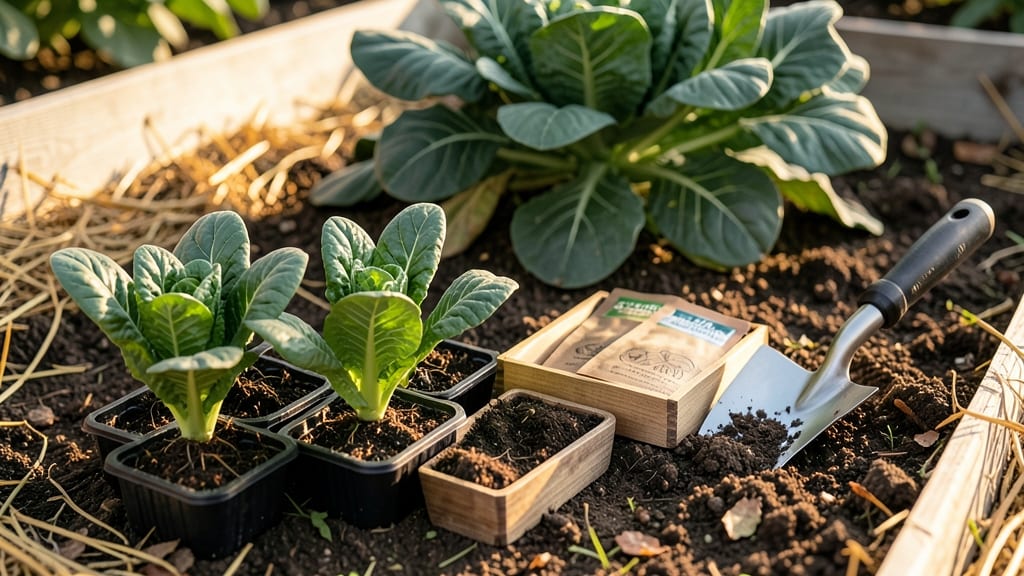
If you're dreaming of a steady supply of 🥬 collard greens straight from your North Carolina garden, timing your planting is everything. The perfect window for planting these hardy greens in NC's 7a-8b zones isn't just about avoiding frost—it's about maximizing flavor and yield year-round.
Most gardeners in North Carolina know spring and fall are ideal, but did you realize you can actually plant twice a year for continuous harvests? The key is understanding how your local microclimate affects frost dates, which can vary even within the same county.
I'll show you exactly when to start seeds and transplants for both seasons.
Let's break down the best planting schedule for your region, including soil prep tips and how to protect your plants from those unexpected late frosts. Whether you're a first-time gardener or a seasoned grower, these insights will help you grow sweeter, more productive collards than ever before.
You'll also discover how to extend your harvest through winter with simple cold-hardy techniques. Ready to turn your garden into a year-round collard green factory? Let's get started.
Optimal planting windows for collard greens in North Carolina’s climate zones
North Carolina’s USDA zones 7b-8a create ideal conditions for growing collard greens year-round. Unlike heat-sensitive crops, collards thrive in cooler weather, making them perfect for both spring and fall plantings. The key is timing your plantings to avoid frost damage while maximizing harvest potential.
For spring plantings, aim to sow seeds 4-6 weeks before your last frost date, typically between mid-March and late April. This gives young plants time to establish roots before warmer temperatures arrive.
In fall, plant 6-8 weeks before the first frost, usually from early August to mid-September.
Here’s a breakdown of your planting schedule based on North Carolina’s microclimates. Mountain regions (zone 7b) have slightly earlier frost dates, while coastal areas (zone 8a) enjoy longer growing seasons.
| Season | Planting Window | USDA Zone 7b (Mountains) | USDA Zone 8a (Coastal) | Notes |
|---|---|---|---|---|
| Spring | March 15 - April 30 | March 20 - April 15 | March 15 - April 30 | Direct sow or transplant seedlings; harvest by June. |
| Summer (Succession) | June 1 - July 15 | June 15 - July 15 | June 1 - July 15 | Provide shade cloth for heat-sensitive varieties. |
| Fall | August 1 - September 15 | August 15 - September 15 | August 1 - September 15 | Best for winter harvests; use row covers for frost protection. |
| Winter (Hardy Varieties) | October 1 - November 15 | October 15 - November 1 | October 1 - November 15 | Plant cold-hardy varieties like 'Vates' for late-winter harvests. |
If you’re in zone 7b (mountains), start seeds indoors in February for an earlier spring harvest. For zone 8a (coastal), you can even plant succession crops in July for a fall harvest, as long as you provide afternoon shade during peak summer heat.
Pro tip: Use local frost date maps from the NC State Extension to fine-tune your schedule. For example, Asheville’s last frost is around April 15, while Wilmington’s can be as late as March 20.
For container gardening, plant collards in late spring (May) or early fall (September) to avoid temperature extremes. Containers warm up faster in spring and cool down quicker in fall, so adjust your schedule accordingly.
Always test your soil temperature before planting—collard seeds need soil at least 45°F to germinate. Use a soil thermometer or wait until nighttime lows stay above 30°F for consistent growth.
Remember, succession planting every 2-3 weeks in spring and fall ensures a steady supply of fresh collards. This works especially well in zone 8a, where you can enjoy harvests from May through December.
🌱
Optimal planting windows for collard greens in North Carolina’s climate zones
North Carolina’s USDA zones 7b-8a offer perfect conditions for growing collard greens year-round, but timing is everything. The ideal planting windows depend on whether you want spring or fall harvests, with frost dates dictating your schedule.
For spring harvests, start seeds indoors 4-6 weeks before your last frost date (typically mid-March in most of NC). Transplant seedlings outdoors 2-3 weeks later when soil temperatures reach 50°F.
Fall plantings are even more rewarding—sow seeds August 1 through September 15 for a winter harvest. Collards thrive in cool weather and can survive light frosts down to 20°F, making them perfect for NC’s mild winters.
| Planting Window | USDA Zones | Frost Tolerance | Harvest Time |
|---|---|---|---|
| March 15 - April 30 | 7b-8a | 20-28°F | May - June |
| August 1 - September 15 | 7b-8a | 20-28°F | October - November |
| September 15 - October 15 (succession) | 7b-8a | 20-28°F | December - February |
Extend your harvest even further with succession planting every 2-3 weeks from August through October. This ensures a continuous supply of tender leaves until spring.
For mountain regions (zone 7b), plant slightly earlier—late February to early March—to account for cooler soil temperatures. Coastal areas (zone 8a) can push plantings 1-2 weeks later due to warmer microclimates.
Always check your local frost dates (NC State Extension provides updated forecasts) to fine-tune your schedule. With the right timing, you’ll enjoy homegrown collards for nearly 10 months of the year!