Plants
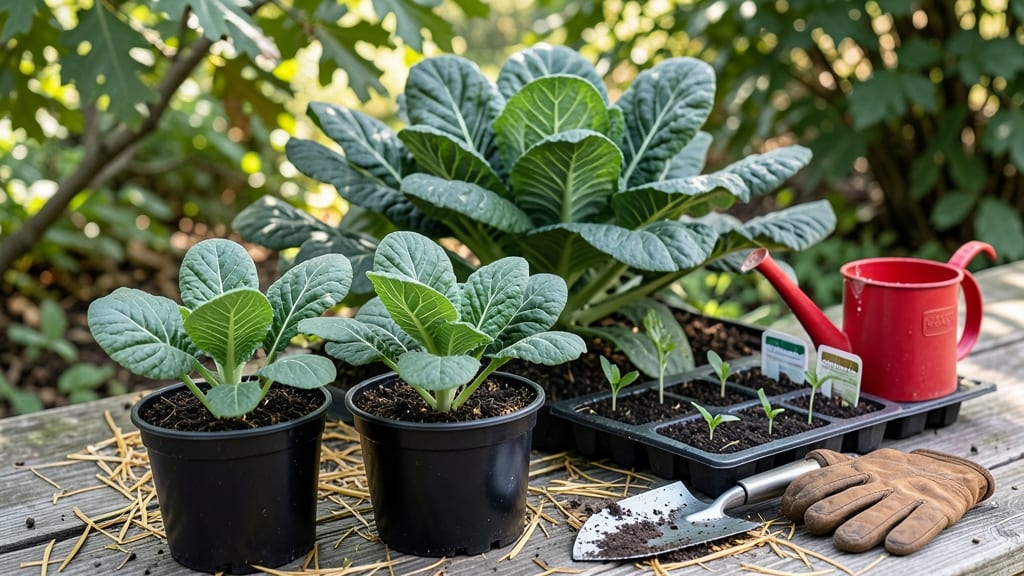
Timing your collard 🥬 planting in Georgia isn’t just about sticking seeds in the ground—it’s the key to avoiding bitter leaves or bolting before you even taste that first harvest.
With Georgia’s 7b-8b climate, you’ve got a narrow window between scorching summer and early frosts where these cold-hardy greens truly shine.
Most gardeners swear by fall planting—think August to September—because cooler temps let collards mature sweetly before winter sets in. But spring plantings (March-April) can work too, if you’re ready to beat the heat with shade cloth or quick-maturing varieties.
The difference between a bold harvest and disappointment often comes down to these 30-day deadlines.
I’ve grown collards in Georgia for years, and I’ll show you exactly which weeks to aim for—plus how to stretch your season with smart tricks like mulching or succession planting.
Whether you’re a first-time gardener or a veteran green thumb, these insights will help you grow collards that taste like homegrown success, not frustration.
Ready to turn your garden into a year-round collard powerhouse? Let’s dive into the perfect planting schedule for Georgia’s climate, so you can enjoy those tender leaves from fall through winter—and maybe even sneak in a spring batch before the heat hits.
Georgia collard planting calendar: heat Zone 8a deadlines by season
Georgia’s Zone 8a climate gives you two prime windows to grow collards: fall/winter (best for flavor) and spring (for early harvests). The key is avoiding extreme heat and frost, which can ruin tender leaves or trigger bolting.
With an average last frost date of March 15 and first frost around November 15, timing your plantings correctly ensures a steady harvest.
For fall plantings, aim to sow seeds 8–10 weeks before your first frost—typically mid-August to early September. This gives collards time to mature before cold weather slows growth.
In spring, plant 4–6 weeks before the last frost (early March) to avoid heat stress later in the season. Transplants can handle slightly later dates, but seeds need cooler soil to germinate properly.
Soil temperature is critical: collard seeds germinate best in soil between 60–85°F. In Georgia’s heat, direct sowing in late summer (August) ensures soil stays warm enough for quick sprouting. If planting in spring, wait until soil cools slightly after winter—usually mid-March—to prevent seed rot or uneven germination.
Here’s your Georgia collard planting calendar broken down by season, including frost dates and ideal soil conditions:
Pro tip: Use shade cloth in late summer to protect seedlings from intense Georgia sun, which can cause bolting. Mulch with straw or leaves to retain moisture and regulate soil temperature, especially in fall plantings when nights cool quickly.
For spring plantings, start seeds indoors 6–8 weeks before your last frost (around January) if you’re eager for an early harvest. Harden off seedlings for 7–10 days before transplanting to avoid shock.
In Georgia’s heat, afternoon shade can extend the harvest window by 2–3 weeks compared to full-sun plantings.
Monitor your collard growth stages closely: Seedlings should appear in 7–14 days under ideal conditions, but hot soil can delay germination. Thin seedlings to 18–24 inches apart once they’re 2–3 inches tall to prevent competition. This spacing gives leaves room to grow large and tender—perfect for Southern-style collard greens!
Remember, fall collards sweeten with frost, making them a favorite for holiday meals. If you miss the ideal window, don’t despair—succession planting every 2–3 weeks in late summer can still yield a harvest before winter sets in.
🌱
Georgia collard planting calendar: heat Zone 8a deadlines by season
Georgia’s Zone 8a climate gives you two prime windows to grow collards: fall for winter harvests and spring for summer crops. Miss these deadlines, and you’ll risk bolting (premature flowering) or frost damage. Let’s break down the exact months and soil conditions for success.
For fall plantings, aim to sow seeds by mid-September to give plants time to establish before first frost (Nov 15). Spring plantings should start by mid-March to avoid heat stress. Soil temperatures below 50°F slow germination, while above 85°F triggers bolting—critical thresholds for Georgia’s Zone 8a.
| Season | Planting Window | Soil Temp | Key Notes |
|---|---|---|---|
| Fall | August 15 - September 15 | 55-75°F | Best for winter harvests; avoid planting after Sept 30. |
| Spring | March 1 - April 15 | 60-70°F | Risk of bolting after April 15; use shade cloth if extending. |
Transplants offer a 2-week head start over seeds. Buy 6-week-old seedlings from nurseries and set them out 4-6 weeks before last frost (March 15). Harden off seedlings by gradually exposing them to Georgia’s afternoon sun for 1-2 hours daily before transplanting.
Pro tip: Use a soil thermometer to confirm ideal temps. If soil stays below 55°F for 3+ days, germination stalls. In Zone 8a, this rarely happens after mid-March, but early fall plantings can hit it in October.
After planting, mulch with straw or shredded leaves to maintain even soil temps and retain moisture. This is especially critical in Georgia’s hot, humid summers when evaporation rates spike. Mulch also suppresses weeds, reducing competition for nutrients.
Monitor your collards for yellowing leaves—a sign of nitrogen deficiency or overwatering. In Georgia’s clay-heavy soils, amend beds with compost before planting to improve drainage. A pH of 6.0-7.0 ensures optimal nutrient uptake.