Plants
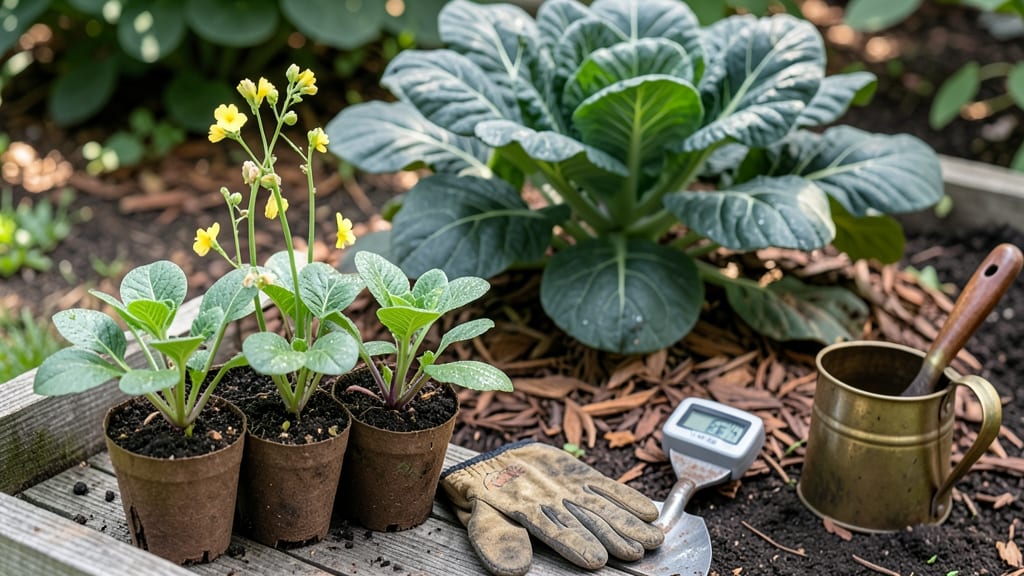
If you're dreaming of a garden bursting with homegrown collard greens 🌱 but don’t want to end up with bitter leaves or frost-nipped plants, when to plant collard greens in Alabama is the key to success.
Alabama's warm climate gives you two prime windows to plant these leafy greens, but getting it wrong can mean wasted effort.
Most gardeners in Alabama's USDA Zones 7-8 know spring planting is a must, but what about fall? The secret to a year-round harvest lies in understanding your region's frost dates—whether you're in North Alabama's cooler hills or South Alabama's balmy coastal plains.
I've tested the best planting strategies across Alabama's diverse climate zones, and what I'm about to share will help you avoid common mistakes that sabotage even the most eager gardeners. Let's dive into exactly when to plant for that perfect balance of flavor and yield.
You'll discover why late summer and early spring are your golden windows, plus pro tips for extending your harvest season. Ready to grow collards that taste like they came from your grandma's garden?
Best planting times for collard greens in Alabama by region
Alabama’s diverse climate zones mean collard greens can thrive year-round with the right timing. Unlike northern states, fall planting often yields sweeter leaves, while spring plantings avoid summer heat stress.
The key is aligning with your region’s last frost dates—typically mid-March to early April in North Alabama and early February to March in South Alabama.
For North Alabama (Zones 6b-7a), like Huntsville or Decatur, aim for late March to early April for spring plantings. In Central Alabama (Zones 7b-8a), such as Birmingham or Montgomery, you can start as early as mid-February.
Meanwhile, South Alabama (Zones 8a-9a), including Mobile or Dothan, offers the longest season—plant January through March for spring harvests.
Here’s a quick breakdown of optimal planting windows by region, including fall options for extended harvests:
| Region | Spring Planting | Fall Planting | Notes |
|---|---|---|---|
| North Alabama (Zones 6b-7a) | Late March–Early April | Mid-August–Early September | Use row covers for early spring |
| Central Alabama (Zones 7b-8a) | Mid-February–March | Late July–Early August | Best for year-round harvests |
| South Alabama (Zones 8a-9a) | January–March | June–July | Plant every 2 weeks for succession |
Fall plantings are especially rewarding in Alabama because cool nights and warm days sweeten the leaves. For North Alabama, start seeds indoors in mid-August and transplant by early September.
In Central and South Alabama, you can direct-sow as late as October—just ensure seedlings have 6-8 hours of sun daily to avoid bolting.
If you’re aiming for a year-round harvest, consider succession planting every 3-4 weeks from spring through fall. This works best in South Alabama, where mild winters allow for winter collards too.
Just be mindful of humidity levels, which can promote fungal diseases like downy mildew if not managed.
For container gardening, start seeds indoors 4-6 weeks before your region’s last frost date. Use well-draining soil mixed with compost, and place pots in a south-facing location for maximum sunlight. Containers also let you move plants to avoid late-season heat stress in summer.
Pro tip: Test your soil pH before planting—collards prefer 6.0–7.0. Amend with lime if needed, and mulch with straw or pine needles to retain moisture and regulate soil temperature. This is especially critical in dry spells, which can occur even in Alabama’s humid climate.
Remember, collard greens are cold-hardy and can tolerate light frosts, but extended freezes below 20°F will damage leaves. In North Alabama, protect young plants with frost blankets if temperatures dip unexpectedly. With the right timing, you’ll enjoy tender, flavorful collards from early spring through late fall!
How to extend your collard greens harvest season in Alabama
Alabama’s mild winters and long summers let you grow collard greens almost year-round—but most gardeners miss the trick of season extension. With the right strategies, you can enjoy fresh collards from early spring through late fall, even in cooler months.
The secret? Cold-hardy varieties, succession planting, and simple protective measures.
Start by choosing heirloom collard varieties like Georgia Southern or Blue Max, which tolerate light frosts. These varieties can handle temperatures down to 20°F for short periods, giving you a head start in early spring or a late harvest in fall.
Pair them with row covers or low tunnels to push your growing window even further.
Here’s how to maximize your harvest with minimal effort:
Sow seeds every 3-4 weeks from late summer to early fall for a continuous harvest. In spring, start seeds indoors 6-8 weeks before your last frost date.
Lightweight floating row covers can protect collards from light frosts (down to 25°F) and extend your harvest into winter. Remove covers on warm days to prevent overheating.
Apply 2-3 inches of straw mulch around plants in fall to insulate roots. This keeps soil temperatures stable and protects against freezing temperatures.
Position collard beds near fences, hedges, or shrubs to shield them from cold winds. Wind can stress plants and accelerate frost damage, especially in North Alabama’s cooler microclimates.
In fall, harvest outer leaves first to leave the center growth intact. This encourages regrowth and lets you keep plants producing through winter in milder South Alabama zones.
For North Alabama gardeners (USDA Zones 6b-7a), focus on fall plantings after September 15 and use row covers to protect through December. In South Alabama (Zones 7b-8a), you can even grow collards year-round with minimal protection, thanks to warmer winters.
Don’t forget to fertilize lightly in early spring and late fall to support new growth. A balanced 5-10-10 fertilizer applied every 4-6 weeks keeps plants vigorous. With these tips, your collard patch can become a year-round green machine!
🌱