
Plants
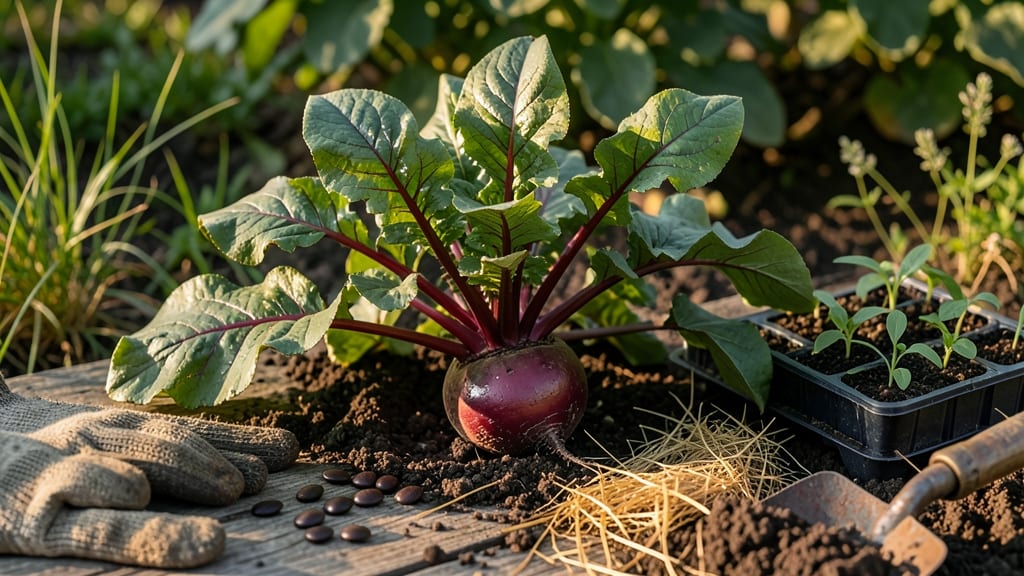
Timing your beet planting in South Carolina can mean the difference between sweet, juicy roots and bitter, woody failures. The perfect window isn't just about avoiding frost—it's about working with your 7b-8a zone's unique rhythm of warm springs and humid summers.
Most gardeners in South Carolina know the basics: plant in early spring or late summer. But what you might not realize is that February-March is your golden opportunity for the sweetest harvests, while late summer's August-September window lets you beat the heat.
I'll show you exactly how to calculate your local frost dates and adjust for your specific region—whether you're in Charleston's coastal breezes or Greenville's Piedmont hills.
Even experienced growers struggle with beets bolting in the heat or developing tough skins. The secret lies in understanding your soil's moisture needs, choosing the right varieties, and knowing when to thin those seedlings.
Let me walk you through the exact steps to ensure your 🍠 beets thrive from seed to harvest, no matter which season you plant.
By the end, you'll have a clear planting schedule, pro tips for South Carolina's climate challenges, and the confidence to grow beets that outshine the grocery store versions. Ready to transform your garden into a beet bonanza?
South Carolina’s ideal beet planting windows by month (with frost dates)
Timing your beet planting in South Carolina means working with the state’s USDA zones 7b-8a and avoiding both early frosts and summer heat. The last average frost date for most of SC falls around March 15, while the first frost typically arrives by November 15.
This gives you two prime planting windows: early spring and late summer.
For the sweetest, tenderest roots, aim to plant beets when soil temperatures reach 45°F—this usually aligns with February-March for spring plantings. Fall plantings should start 8-10 weeks before the first frost, or around August-September, to ensure a harvest before cold sets in.
Here’s how to align your planting with South Carolina’s frost-free growing season of about 215 days, plus soil temperature requirements to avoid bolting or stunted growth.
| Planting Window | Month | Soil Temp (°F) | Weeks Before Last Frost | Harvest Window |
|---|---|---|---|---|
| Spring | February-March | 45-65°F | 4-6 weeks | May-June |
| Fall | August-September | 50-70°F | 8-10 weeks | October-November |
| Extended Spring | April | 50-65°F | 2-4 weeks | June-July |
To calculate your exact planting dates, check your local frost dates using the SC State Climate Office or the National Weather Service. For example, Charleston (coastal) has a later last frost (March 20), while Greenville (Piedmont) averages March 10.
Planting 4-6 weeks before your last frost ensures seedlings emerge when soil is warm enough.
For succession planting, sow new seeds every 2-3 weeks during spring and fall to maintain a steady harvest. Beets thrive in cool weather, so avoid planting when daytime temperatures exceed 75°F—this triggers bolting (flowering) and bitter roots.
Pro tip: Use row covers or shade cloth if planting in late spring to protect seedlings from heat stress. This extends your growing window into early summer for a second harvest.
Always plant seeds ½ inch deep and 1-2 inches apart, then thin seedlings to 3-4 inches apart once they sprout. This spacing prevents overcrowding and ensures large, sweet roots.
🌱
How to adjust beet planting for South Carolina’s microclimates (coastal vs. Piedmont)
South Carolina’s diverse geography—from the coastal plains to the Piedmont mountains—creates distinct microclimates that dramatically affect beet planting. While both regions share the same USDA zones, their frost dates, soil conditions, and heat tolerance vary enough to require tailored strategies.
If you’re in Charleston, for example, you’ll enjoy milder winters and longer growing seasons, while Greenville gardeners face earlier frosts and hotter summers. Understanding these differences is key to avoiding bolting or stunted growth.
Let’s break down the critical differences between planting beets in South Carolina’s coastal areas versus the Piedmont. Coastal regions like Charleston and Myrtle Beach benefit from warmer winters and cooler summers thanks to ocean breezes, while inland areas like Columbia and Greenville experience more extreme temperature swings.
These variations impact everything from seedling survival to harvest timing. For instance, coastal gardeners can start seeds as early as January, while Piedmont growers should wait until mid-February to avoid frost damage.
Here’s how to adapt your planting schedule based on your location:
| Factor | Coastal (Charleston, Myrtle Beach) | Piedmont (Columbia, Greenville) |
|---|---|---|
| Average Last Frost | February 15 | March 1 |
| Average First Frost | November 20 | November 10 |
| Best Planting Window | January–March, August–September | February–April, July–August |
| Soil Temperature Needs | 50–60°F for germination | 55–65°F for germination |
| Heat Tolerance | Moderate (cooler summers) | Low (hotter summers) |
| Succession Planting Tip | Plant every 2 weeks until April | Plant every 3 weeks until May |
If you’re in the Piedmont, focus on succession planting to extend your harvest. Start your first batch in late February, then sow seeds every 3 weeks until early May. This staggered approach ensures a steady supply of fresh beets before the summer heat sets in.
For coastal gardeners, you can push your planting even earlier—January is ideal for a jumpstart on the season. Just be prepared to use row covers if an unexpected frost hits.
Another critical adjustment is shade management. Inland areas like Greenville can hit 90°F+ temperatures by June, causing beets to bolt prematurely. To combat this, plant heat-tolerant varieties like ‘Detroit Dark Red’ and provide afternoon shade with lightweight shade cloth (30–50% coverage).
Coastal gardeners, on the other hand, can rely more on natural breezes to keep plants cool, but they should still monitor soil moisture—humid air can lead to fungal diseases if leaves stay wet.
For both regions, soil preparation is non-negotiable. Coastal soils tend to be sandy and nutrient-poor, while Piedmont soils are often clay-heavy and dense. Amend your soil with compost and organic matter to improve drainage and fertility.
A soil test can reveal specific needs—coastal areas might need extra organic matter, while Piedmont soils may benefit from gypsum to break up compaction. By tailoring your approach to your microclimate, you’ll set your beets up for success from the very first seed.
Don’t let South Carolina’s regional differences intimidate you—with these adjustments, you’ll be harvesting sweet, tender beets all season long, whether you’re near the coast or nestled in the Piedmont hills. 🍠