
Plants
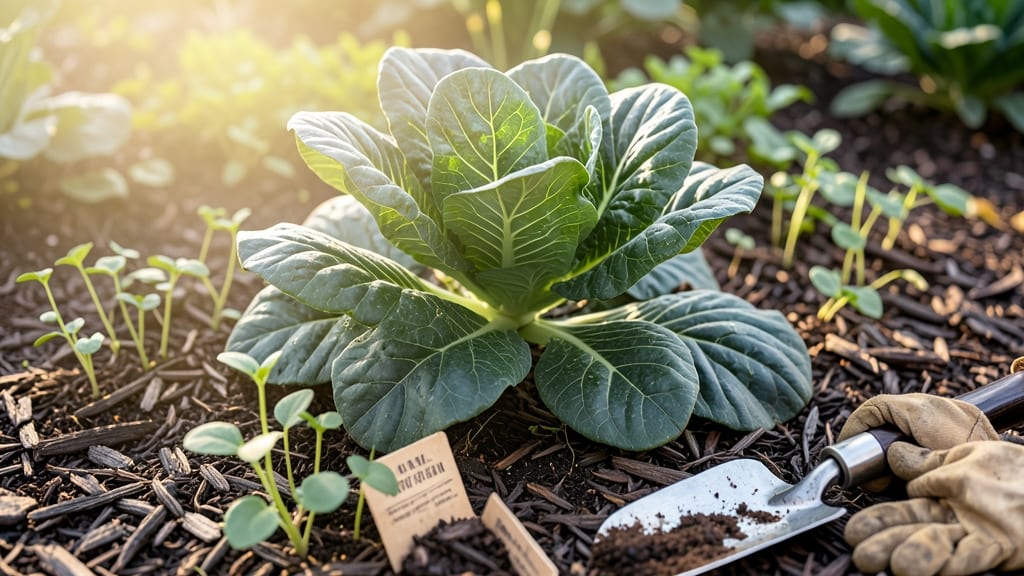
If you’ve ever wondered why your 🥬 collard greens bolt into flower or wilt in Georgia’s heat, the answer lies in timing—specifically, when to plant them for the most tender, productive harvests.
Georgia’s 7b-8b climate gives you two prime windows to grow these cold-hardy greens, but getting it wrong can mean bitter leaves or wasted effort.
Most gardeners in Georgia know collards thrive in cooler weather, but the best planting months depend on whether you’re aiming for a spring or fall crop. Plant too early, and you’ll battle pests; too late, and heat stress takes over.
The key is understanding your local frost dates and how to stretch the season without risking bolting.
In this guide, I’ll break down the exact planting schedule for Georgia’s heat zones, including how to extend your harvest through succession planting and shade tricks.
Whether you’re a first-time gardener or a seasoned green thumb, these tips will help you grow collards that stay sweet and crisp from February through December.
Ready to turn your backyard into a collard green powerhouse? Let’s dive into the strategies that work—no guesswork, just zero-frost success every time.
Best planting windows for collard greens in Georgia’s heat zones 7-8
Georgia’s USDA Zones 7b-8b offer two prime windows for planting collard greens: early spring and late summer.
These cold-hardy greens thrive when planted 4-6 weeks before the last frost (typically February-March) for a spring harvest, or 6-8 weeks before the first frost (typically August-September) for a fall harvest. Timing is critical—plant too early, and heat stress causes bolting; too late, and frost ruins tender leaves.
In Zone 7a (cooler areas like the Blue Ridge), aim for March 1-April 15 for spring planting, while Zone 8b (warmer coastal areas) can start as early as February 15.
Fall planting should align with your region’s frost dates—September 1-October 15 works for most of Georgia. Always check your local last frost date for precision.
Direct sowing is ideal for spring, but transplants (from nurseries or started indoors) give you a head start. Harden off seedlings for 7-10 days before transplanting to avoid shock. For fall crops, start seeds indoors 6-8 weeks before the first frost or buy established plants from a trusted nursery.
Georgia’s humid subtropical climate means heat and humidity can stress collards. Avoid planting during peak summer heat (June-August) unless you’re using shade cloth. Instead, focus on spring and fall when temperatures are milder, and days are shorter—perfect for collards’ 60-90 day growth cycle.
Soil temperature matters too. Collards germinate best in soil temps above 40°F (4°C). Use a soil thermometer to confirm—if it’s cooler, wait or use black plastic mulch to warm the soil faster. In Georgia, this usually aligns with late February to early March for spring.
🌱 Collard Green Planting Guide for Georgia
| Season | Planting Window | Zone 7a | Zone 7b | Zone 8a | Zone 8b |
|---|---|---|---|---|---|
| Spring | 4-6 weeks before last frost | March 1-April 15 | February 28-March 31 | February 15-March 15 | February 1-March 15 |
| Fall | 6-8 weeks before first frost | September 1-October 15 | August 15-October 1 | August 1-September 15 | July 15-September 1 |
| Soil Temp | Minimum for germination | 40°F (4°C) | 40°F (4°C) | 40°F (4°C) | 40°F (4°C) |
| Harvest Window | 60-90 days after planting | April-May | April-May | March-April | February-April |
🌡️ Note: Adjust for microclimates—coastal areas (Zone 8b) may have earlier last frosts than inland regions.
For direct sowing, plant seeds ½ inch deep and 1 inch apart, thinning to 12-18 inches apart when seedlings are 3-4 inches tall. If transplanting, space plants 18-24 inches apart in rows 24-36 inches apart to allow airflow and reduce disease risk.
Georgia’s clay-heavy soils benefit from compost or aged manure mixed in before planting to improve drainage.
In
Best planting windows for collard greens in Georgia’s heat zones 7-8
Georgia’s USDA zones 7b-8b offer two prime windows for planting collard greens: early spring and late summer. These cold-hardy greens thrive when temperatures are mild, avoiding both extreme heat and frost.
In North Georgia (zone 7), aim for February-March and August-September, while South Georgia (zone 8) can extend planting into early April and late October.
Spring planting should begin 4-6 weeks before your last frost date—typically around February 15 in most of Georgia. This timing ensures seedlings mature before summer’s intense heat.
Fall planting, however, requires starting 6-8 weeks before the first frost (usually mid-September), allowing collards to bulk up before winter slows growth.
Georgia Collard Green Planting Guide
| Planting Window | Zone 7a/7b | Zone 8a/8b | Key Notes |
|---|---|---|---|
| Spring Planting | Feb 15 - Mar 15 | Feb 1 - Apr 1 | Avoid heat stress; mulch heavily |
| Fall Planting | Aug 15 - Sep 15 | Aug 1 - Oct 15 | Harvest before frost; extend with row covers |
| Direct Sowing | Mar 1 - Apr 15 | Feb 15 - May 1 | Thin seedlings to 12" apart |
| Transplanting | Feb 1 - Mar 10 | Jan 15 - Apr 1 | Hardier than seedlings; faster growth |
For coastal Georgia, where humidity is higher, adjust planting to late February and early September to prevent fungal diseases like downy mildew. In Piedmont regions, where nights stay cooler, you can push spring planting to mid-April if you provide afternoon shade during peak summer months.
Transplanting 6-week-old seedlings is ideal for Georgia gardeners, as it gives plants a head start. Start seeds indoors in January for spring planting or July for fall crops. Use biodegradable pots to avoid transplant shock when moving seedlings outdoors.
Always test your soil pH (collards prefer 6.0-7.0compost or aged manure before planting. Georgia’s clay-heavy soils benefit from organic matter to improve drainage and fertility.
Monitor your local frost dates—North Georgia’s first frost often arrives by November 15, while South Georgia may see frost as late as December 1. Use row covers or cold frames to extend your harvest into winter if desired.
Timing is everything with collards—plant too early, and they’ll bolt in the heat; too late, and they won’t mature before frost. Follow these zone-specific windows to enjoy tender leaves year-round in Georgia’s climate. 🌿