
Plants
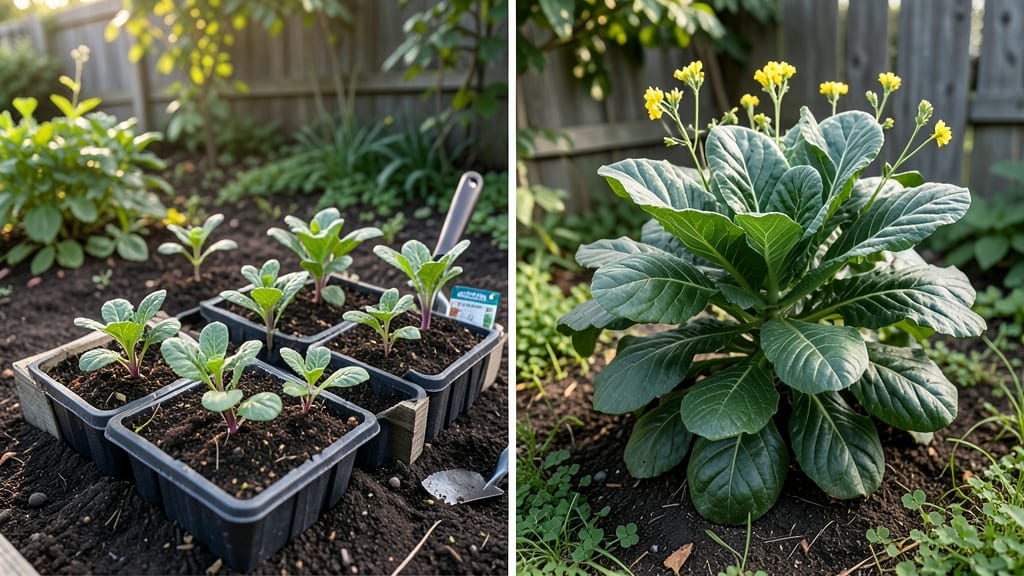
Timing your collard greens planting in Georgia (GA) can mean the difference between tender, flavorful leaves and bitter, stunted growth. The key? Understanding how the state’s unique heat zones—from 7b to 9a—affect your harvest windows.
You might think spring is the only time to plant 🥬 collard greens, but Georgia’s mild winters and long growing season actually allow for two prime planting windows: late winter to early spring (February–March) and late summer to early fall (August–September).
Each offers distinct advantages, whether you’re chasing crisp spring harvests or extending your garden into winter.
Getting the timing wrong can lead to bolting, poor flavor, or even frost damage—especially in Georgia’s unpredictable climate. I’ll show you exactly when to plant for maximum yield, how to protect your crop from early or late frosts, and which varieties thrive best in each season.
Ready to turn your garden into a year-round collard green powerhouse? Let’s break down the perfect planting schedule so you can enjoy fresh, homegrown greens from April through November—and even into winter.
Georgia heat-Zone planting schedule for collard greens (by month)
Georgia’s USDA Zones 7b-9a offer unique opportunities for growing collard greens year-round, but timing is critical. Unlike northern climates, Georgia’s mild winters and hot summers create distinct planting windows to avoid bolting (premature flowering) or heat stress.
The key is planting when temperatures stay between 50°F-75°F—ideal for leafy growth.
For spring harvests, aim to plant 4-6 weeks before your last frost date (typically mid-February to early March in most of Georgia). In fall, plant 6-8 weeks before the first frost (usually late August to early September) to extend your harvest through December.
These windows ensure your collards mature before extreme heat or frost.
Visual Tip: Use a frost date calculator for your specific Georgia county—Atlanta’s last frost is around March 15, while Savannah’s is March 1. Adjust planting dates accordingly!
| Month | Planting Window | Ideal Temperature | Notes |
|---|---|---|---|
| February | Start seeds indoors or transplant | 50°F-65°F | Best for early spring harvests |
| March | Transplant outdoors | 60°F-75°F | Avoid planting too late—heat stress risks |
| August | Start seeds for fall crop | 70°F-80°F | Use shade cloth if temps exceed 85°F |
| September | Transplant outdoors | 65°F-75°F | Critical for winter harvests |
| October | Direct sow for late fall | 55°F-70°F | Protect from early frosts |
Georgia’s summer heat (June-August) is the worst time to plant collards—temperatures above 85°F cause leaves to bolt or taste bitter. If you must grow during summer, opt for shade-tolerant varieties like ‘Vates’ and use 50% shade cloth to protect seedlings.
I’ve had success growing collards under drip irrigation and mulch to keep roots cool during these months.
For winter production, plant late summer (August-September) to harvest through December or even January in sheltered microclimates. Light frosts (28°F-32°F) actually sweeten collard leaves, making winter harvests a favorite. Just avoid heavy freezes—cover plants with row fabric if temperatures drop below 25°F.
Pro Tip: In Zone 8a/9a (e.g., Savannah, Macon), you can grow collards year-round with succession planting. Start a new batch every 4-6 weeks to ensure a continuous supply. I’ve seen home gardeners in these zones harvest collards in every month!
Soil preparation is just as critical as timing. Georgia’s clay-heavy soils in many regions need amendments like compost or sand to improve drainage. Test your soil’s pH (6.0-7.0) and add lime if needed—collards thrive in slightly acidic to neutral soil.
I always mix in aged manure or worm castings before planting for extra nutrients.
Finally, spacing matters: plant collards 12-18 inches apart in rows 2 feet apart to allow airflow and reduce disease risks. In containers, use 5-gallon pots with drainage holes for 1-2 plants per pot.
Proper spacing prevents crowding, which leads to pest issues like aphids or leaf spot.
By following this month-by-month schedule, you’ll avoid the common mistakes of planting too early (risking frost damage) or too late (triggering bolting). Georgia’s climate is your advantage—use it to grow sweet, tender collards for nearly the entire year! 🥬
How to extend collard green harvests in Georgia’s short winters
Georgia’s winters are mild enough to grow collard greens year-round, but light frosts and heat spikes can disrupt production. The key to winter success? Protecting plants while avoiding bolting (premature flowering) and nutrient loss in cold soil.
I’ve learned that mulching and row covers are game-changers for extending harvests through December and even January in USDA Zones 7b-8a.
Start by planting cold-hardy varieties like ‘Georgia Southern’ or ‘Champion’ in late summer (August) for a winter harvest. These varieties tolerate 25°F without damage, but light frosts (30-32°F) can still stress tender leaves.
My trick? Layer 2-3 inches of straw mulch around the base to insulate roots while keeping leaves dry—a must to prevent fungal diseases like downy mildew.
For extra protection, use floating row covers (like Reemay fabric) during hard freezes (below 28°F). These let sunlight through while blocking wind chill—critical in Savannah’s Zone 8a, where nights dip into the mid-20s.
I’ve kept plants producing through January using this method, even when unprotected collards nearby bolted.
Don’t forget succession planting! Sow new seeds every 3-4 weeks from August through October to stagger harvests. This ensures a continuous supply of tender leaves, even as older plants slow down in winter’s shorter days.
In my Zone 7b garden, this strategy adds 6-8 weeks of harvest time compared to a single planting.
Finally, fertilize lightly in early winter (December) with a balanced 10-10-10 mix to replenish nutrients lost in cold soil. Avoid heavy applications—collards absorb nutrients slowly in winter—and always water deeply in the morning to prevent leaf diseases from evening moisture.
With these steps, you’ll harvest sweet, tender leaves long after most Georgia gardeners have packed up for the season.
Pro tip: Harvest outer leaves first to protect the plant’s growth center. This keeps collards producing even in winter’s chill, giving you homegrown greens for holiday meals and beyond! 🥬