
Plants
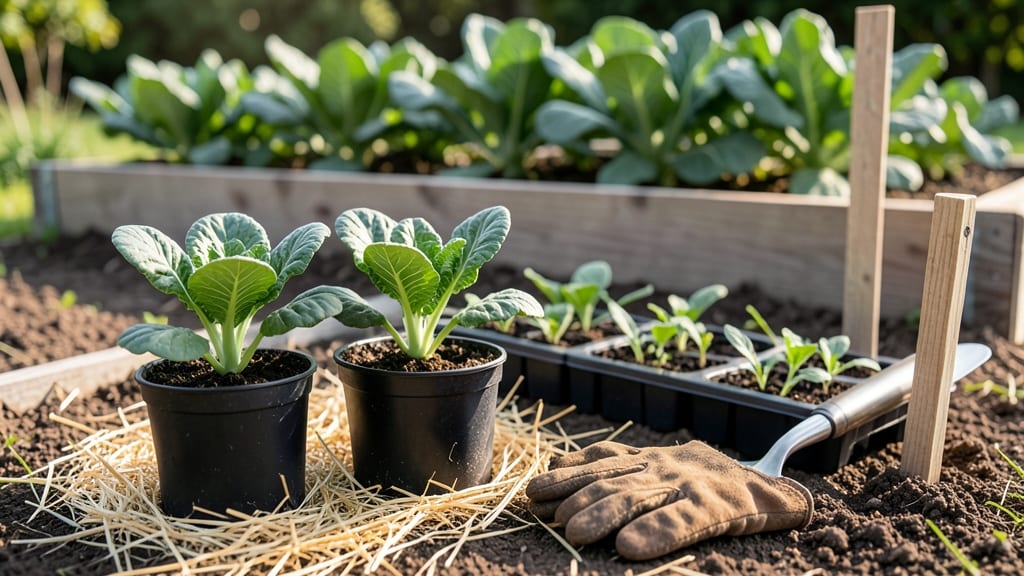
If you're wondering when to plant collards in Zone 7b, timing is the secret weapon behind a bountiful harvest. Unlike other greens, collards 🥬 actually prefer cooler weather but can handle Southern heat—if you plant them at the right moment.
For Zone 7b gardeners, the sweet spot comes in two windows: early spring (March-April) or late summer (August-September). Plant too early, and you risk bolting from summer heat; too late, and frost cuts your harvest short. The key is understanding your microclimate and heat-tolerant varieties.
I’ll break down exactly how to read your soil and weather cues, plus which collard varieties thrive in 7b’s climate. Whether you’re aiming for a fall harvest or spring greens, you’ll leave here with a clear planting schedule tailored to your zone.
Let’s get those collards in the ground at the perfect moment—so you can enjoy fresh, homegrown leaves all season long.

Optimal planting windows for collards in Zone 7b: early fall vs. late summer
In Zone 7b, collards thrive best when planted during two key windows: early fall (August-September) and late summer (July-August). These timings balance heat tolerance with frost avoidance, ensuring a successful harvest before winter sets in.
The key is avoiding late summer heat stress while capturing the cool fall temperatures collards prefer.
For a fall harvest, aim to plant collards 6-8 weeks before your first frost (typically mid-November in Zone 7b). This gives plants enough time to mature before cold weather arrives.
In contrast, late summer plantings (July-August) produce smaller but still usable leaves before the first frost, ideal for quick harvests or succession planting.
Southern heat-tolerant varieties like 'Georgia Southern' and 'Top Bunch' handle Zone 7b’s summer heat better than traditional types. However, even these varieties struggle when daytime temperatures exceed 90°F for prolonged periods. Planting in late summer (after August 15) reduces heat stress while still allowing time for growth before frost.
Here’s how to compare the two planting windows for maximum yield:
| Planting Window | Ideal Months | Temperature Range | Harvest Window | Best Varieties |
|---|---|---|---|---|
| Early Fall | August-September | 70-85°F (day) 50-65°F (night) |
October-December | 'Georgia Southern', 'Top Bunch', 'Champion' |
| Late Summer | July-August | 80-90°F (day) 60-75°F (night) |
September-October | 'Vates', 'Blue Max', 'Heirloom' |
If you’re aiming for a larger harvest, prioritize early fall plantings (August-September). These plants grow more vigorously in cooler weather and produce larger, tender leaves by late fall. For a smaller but steady supply, late summer plantings (July-August) work well, especially if you’re using heat-tolerant varieties like 'Vates'.
One common mistake is planting too late in summer, which risks heat stress and bolting (premature flowering). To avoid this, monitor nighttime lows—collards need temperatures below 80°F to thrive. Use shade cloth if daytime temps exceed 90°F for more than a week.
For succession planting, stagger plantings every 2-3 weeks in late summer. This ensures a continuous harvest from September through November. For example, plant one batch in early August and another in mid-August to extend your harvest window.
Another pro tip: Direct sow seeds in late summer for faster establishment, or start transplants indoors in late July to harden off before outdoor planting. This gives seedlings a head start in cooler fall weather, reducing transplant shock.
Always check your local frost dates—Zone 7b’s first frost typically arrives around November 15. Plan to harvest before temperatures drop below 25°F, as collards become frost-sensitive at this point. Mulching with straw or leaves can protect plants for a few weeks longer.
🌱
Optimal planting windows for collards in Zone 7b: early fall vs. late summer
In Zone 7b, collards perform best when planted during two key windows: early spring (March-April) or late summer (August-September). These timing strategies help avoid the heat stress of peak summer and the frost risk of late fall.
For a fall harvest, aim to transplant 4-6 weeks before your first frost (typically mid-November in 7b).
If you prefer spring collards, plant in early March to give them time to mature before summer heat sets in. The goal is to align your planting with soil temperatures between 50°F and 85°F—too cold slows growth, while extreme heat causes bolting.
In my Zone 7b garden, I’ve found late August to be the sweet spot for fall collards.
Here’s how the two windows compare for heat-tolerant varieties like 'Georgia Southern' and 'Top Bunch':
| Planting Window | Ideal Months | Soil Temp | Frost Risk | Heat Tolerance |
|---|---|---|---|---|
| Early Spring | March-April | 50°F-65°F | Low | Moderate |
| Late Summer | August-September | 65°F-85°F | Moderate | High |
For late summer plantings, focus on heat-tolerant varieties that won’t bolt prematurely. Start seeds indoors in early July or direct-sow in mid-August for a September transplant. This timing ensures your collards mature before fall temperatures drop below 40°F at night.
In my experience, succession planting every 2 weeks in August extends the harvest window. For example, a first planting in August yields by October, while a second planting in late August may still produce before frost.
Always check your local frost dates—Zone 7b’s average first frost is November 15, but microclimates can vary.
Pro tip: Use shade cloth during peak summer heat if transplanting in July. This buys you extra time to establish seedlings before the dog days of August. I’ve seen collards bolt in 90°F+ heat, so protecting young plants pays off big time for a longer harvest.
Remember, soil preparation matters just as much as timing. Amend your beds with compost and a balanced fertilizer (10-10-10) before planting to give collards the nutrients they need to thrive in Zone 7b’s variable climate. 🥬