
Plants
If you've ever planted cantaloupe seeds in Texas only to watch them struggle in the heat, you're not alone. Timing your cantaloupe planting is everything—especially when Texas' extreme heat zones can make or break your harvest.
Cantaloupes thrive in warm soil, but planting too early means frost damage, while waiting too long risks stifling growth in the brutal summer sun. I'll break down the perfect planting windows for your specific Texas heat zone, so you can avoid common mistakes and maximize your yield.
Whether you're in East Texas with its milder summers or West Texas where temperatures soar earlier, knowing when to start seeds indoors or transplant seedlings outdoors makes all the difference. Let's get your cantaloupe 🌱 growing strong and ready for a summer harvest.
From soil temperature checks to adjusting for urban heat islands, I'll cover everything you need to know to time your planting like a pro. No more wasted seeds—just sweet, ripe cantaloupes straight from your Texas garden.
Texas heat zone planting calendar for cantaloupe seeds
Texas gardeners know that cantaloupe thrives in heat, but planting too early or late can ruin your harvest. The state's diverse heat zones (8a through 11) create wildly different planting windows—from late March in South Texas to mid-April in North Texas.
Getting these dates right ensures your vines establish before summer's brutal heat arrives.
Cantaloupe seeds need soil temperatures above 70°F to germinate properly. In cooler zones like East Texas (8a-9a), wait until after the last frost date (typically mid-March to early April) and when nighttime temps stay above 55°F.
Warmer zones like West Texas (10a-11) can start as early as late February under row covers.
Here’s your zone-specific planting timeline to maximize cantaloupe success across Texas:
| Heat Zone | Last Frost Date | Ideal Planting Window | Soil Temp Requirement | Transplant Ready |
|---|---|---|---|---|
| 8a (North Texas) | Mid-March | Mid-April to early May | 70°F+ | Late May |
| 9a (East/Central Texas) | Early March | Late March to early April | 70°F+ | Early May |
| 10a (South/Central Texas) | Late February | Late February to early March | 65°F+ | Mid-April |
| 10b-11 (West/South Texas) | None (year-round) | Late February to early April | 60°F+ | Early April |
For direct sowing, plant seeds ½-inch deep in mounds or hills. In cooler zones, use black plastic mulch to warm soil faster. In West Texas (10b-11), you can even plant a second crop in late summer for a fall harvest before frost arrives.
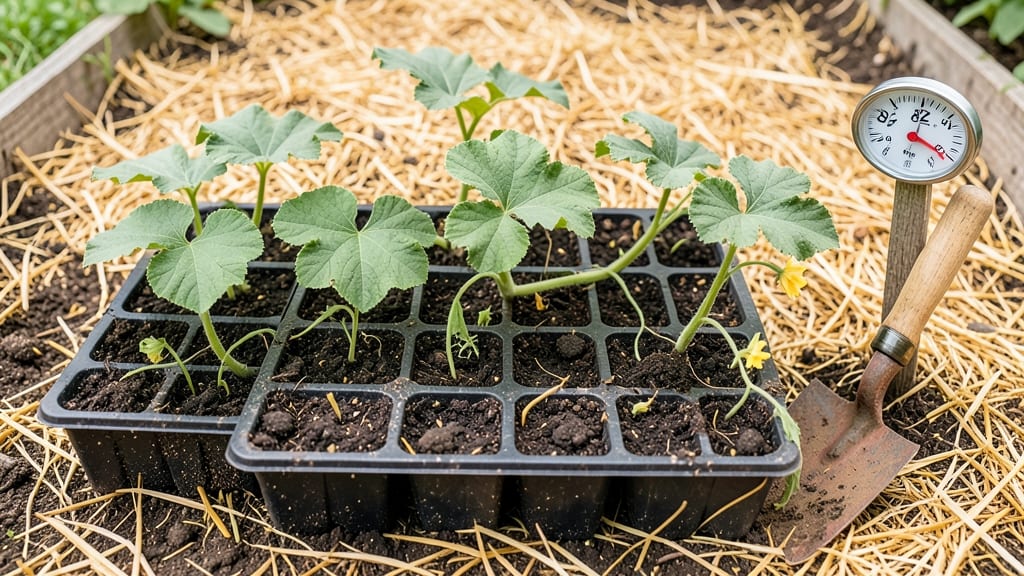
Transplanting is another critical step. Seedlings should have 3-4 true leaves before moving them outdoors. Harden off seedlings for 7-10 days by placing them in shade during the day and bringing them in at night. This prevents shock when exposed to Texas’ intense sun.
After transplanting, focus on consistent moisture—cantaloupe roots are shallow and hate drying out. Use drip irrigation or soaker hoses to keep soil evenly moist, especially in West Texas’ arid conditions. Mulch around plants with straw to retain moisture and suppress weeds.
One common misstep is planting cantaloupe too early in North Texas (8a). If you plant in March, seedlings may rot in cold, wet soil. Instead, wait until after Memorial Day when soil temps consistently stay above 70°F.
In South Texas (10b-11), the opposite is true—planting in June can lead to bolting (premature flowering) due to extreme heat.
For container growing, use large pots (at least 18 inches deep) and plant one vine per container. Containers heat up faster, so monitor soil temps closely.
In urban areas, rooftop gardens in South Texas can start seeds as early as February, but move them to ground level by April for better yield.
Pro tip: Use a soil thermometer to confirm temps before planting. Aim for 75°F+ for optimal germination. In East Texas (9a), this might mean waiting until late April—patience pays off with sweeter melons.
How to adjust planting dates for Texas microclimates
Texas gardeners know that a one-size-fits-all approach to planting cantaloupe seeds won’t work. Urban heat islands in Houston or Austin can be 5-10°F hotter than rural areas, while Hill Country elevations delay spring warmth.
Even a 50-mile drive can shift your ideal planting window by 2-3 weeks. The key is understanding how local microclimates affect soil temperature and frost risk.
Start by checking your local frost dates—not just the USDA zone average. For example, Dallas (Zone 8a) might see its last frost in March, but a shaded urban backyard could experience late frosts into April.
Conversely, El Paso (Zone 8b) rarely drops below freezing after February, so cantaloupe seeds can go in the ground much earlier. Always plant after your average last frost date plus an extra week for safety.
Next, test your soil temperature with a soil thermometer. Cantaloupe seeds need soil that’s at least 70°F to germinate properly. In East Texas, this typically happens by mid-April, while West Texas can reach these temps as early as late February.
If your soil is too cold, your seeds will rot in the ground. Use black plastic mulch to warm the soil faster in cooler microclimates.
Urban gardeners face unique challenges, like concrete heat absorption and limited space. If you’re growing in containers, start seeds indoors 4-6 weeks before your usual outdoor planting date. For in-ground planting, choose south-facing beds near reflective surfaces like driveways to accelerate soil warming.
In rural areas, where nights stay cooler, consider using row covers for the first 2 weeks to protect young plants from unexpected chills.
Start seeds indoors 4-6 weeks early for containers.
Use black plastic mulch to warm soil faster in city heat.
Plant near reflective surfaces (driveways, light-colored walls).
Wait for soil to reach 70°F+—often later in rural areas.
Use row covers for first 2 weeks against late frosts.
Choose wind-protected sites to reduce transplant shock.
Don’t forget about elevation differences. Areas like Marfa (5,000 ft) will have cooler soils than Corpus Christi (sea level). Adjust your planting date by 1-2 weeks per 1,000 ft elevation gain.
If you’re unsure, ask local nurseries—they’ll know the real-world growing conditions in your area. For example, San Antonio’s Hill Country may need cantaloupe seeds planted 2 weeks later than downtown San Antonio.
Finally, monitor local weather patterns beyond just frost dates. A dry spring can delay soil warming, while a wet spring might keep soils too cool. Use a weather app with soil temperature alerts to time your planting perfectly.
If you’re in a transition zone (like parts of Central Texas), consider planting a successive crop—start some seeds indoors in early April and others outdoors in late April to extend your harvest window.
By accounting for these microclimate factors, you’ll avoid the common pitfalls of planting too early (frost damage) or too late (missed harvest season). The goal is to have ripe cantaloupes when Texas summer heat peaks—typically July-August—when they’ll sweeten fastest.