
Plants
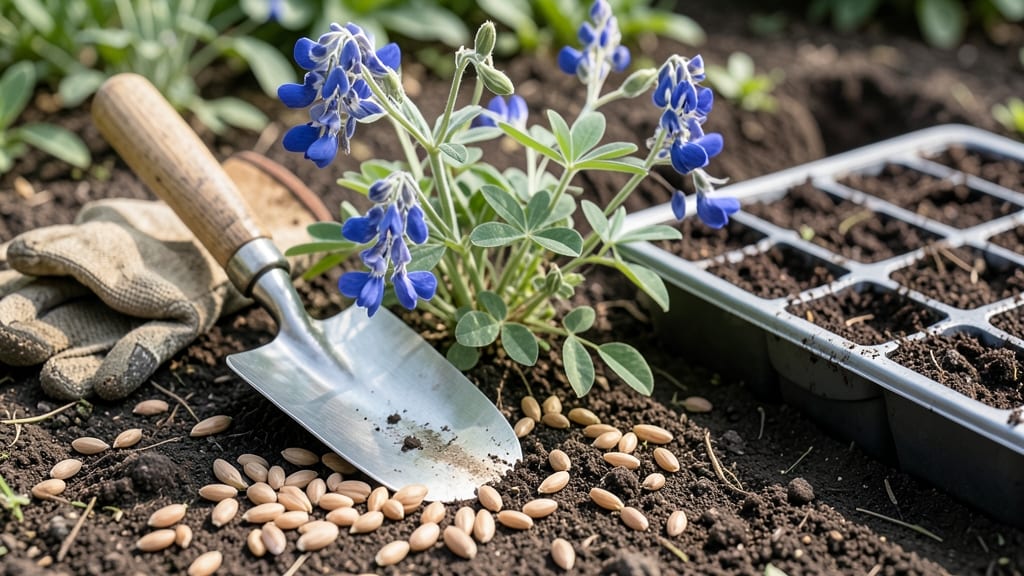
If you’ve ever dreamed of waking up to a sea of bluebonnets 🌸 blanketing your Central Texas yard, timing is everything—plant too early, and summer’s heat will fry your seeds; too late, and frost steals the show.
The perfect window isn’t just about months—it’s about beating the first frost while giving nature’s timing a fighting chance.
For Central Texas gardeners in Zone 8a, the magic happens between late September and November, when soil stays warm enough for germination but temperatures drop just enough to slow weed competition.
This isn’t guesswork—it’s science backed by Texas A&M AgriLife, ensuring your seeds sprout strong and bloom vibrantly by spring.
I’ll break down the exact month-by-month strategy so you avoid common pitfalls like overwatering or planting too deep. Whether you’re in Austin, Waco, or San Antonio, these tips will help you time your planting like a pro—no more missed opportunities for that iconic Texas bluebonnet display.
Ready to transform your yard into a springtime masterpiece? Let’s dive into the step-by-step secrets that’ll have your bluebonnets thriving when the rest of the neighborhood is still waiting for their first seeds to sprout.
Best months to plant bluebonnet seeds in Central Texas (with frost-free timeline)
Timing is everything when planting bluebonnet seeds in Central Texas. The ideal window spans from late September through November, aligning with cooler temperatures and natural rainfall. This period ensures seeds germinate before first frost (typically mid-November) while avoiding summer’s scorching heat.
Central Texas’ USDA Zone 8a climate creates perfect conditions for fall planting. The key is to sow seeds after summer’s peak heat (usually by mid-September) but before winter dormancy sets in. This balance maximizes germination success and spring blooms.
Here’s the frost-free timeline you must follow for bluebonnet success:
| Month | Planting Window | Frost Risk | Notes |
|---|---|---|---|
| Late August | Possible (high risk) | Low (summer heat) | Seeds may dry out; wait for cooler temps. |
| September | Optimal (best success) | None | Ideal soil temps (70–80°F) for germination. |
| October | Optimal (second-best) | Low (late Oct) | Slower germination but still reliable. |
| November | Limited (early Nov only) | Moderate (frost risk) | Plant only if soil isn’t frozen; seeds need warmth. |
| December | Not recommended | High (frost likely) | Seeds won’t germinate in cold soil. |
Central Texas cities like Austin, Waco, and San Antonio share similar frost timelines, but microclimates matter. For example, San Antonio’s slightly warmer winters may extend your planting window into early November, while Waco’s cooler pockets might require earlier sowing.
Always check your local frost dates (Texas A&M AgriLife provides updated forecasts). If you miss the fall window, spring planting (February) is possible but less reliable due to summer heat stress.
For maximum bluebonnet blooms, aim to plant seeds by October 15th. This gives roots time to establish before winter, ensuring vibrant spring displays (March–May).
Pro tip: Scatter seeds directly on soil—no covering needed. Bluebonnets thrive with full sun exposure and minimal disturbance, making them perfect for wildflower meadows or roadside plantings.
🌸
Best months to plant bluebonnet seeds in Central Texas (with frost-free timeline)
Central Texas’s unique climate makes timing critical for bluebonnets. The ideal window is late September through November, when soil stays warm but frost risk drops sharply. Planting too early (August) risks premature germination from summer heat, while waiting until December risks frost damage before seeds sprout.
Texas A&M AgriLife confirms mid-October as the sweet spot for most of Central Texas. This timing gives seeds time to stratify naturally (a cold period that breaks dormancy) without exposing seedlings to freezing temperatures.
In San Antonio (Zone 8b), you can extend planting slightly later—up to early November—while Waco (Zone 8a) should aim for late September to avoid early frost.
For maximum blooms, aim to plant when daytime temps hover around 70–80°F and nighttime temps drop below 60°F.
This balance ensures seeds don’t rot from overheating but still germinate quickly when moisture arrives. Rainfall patterns also play a role—Central Texas’s fall rains (September–October) provide natural watering, reducing your workload.
If you miss the fall window, you can try spring planting (February–March) for a smaller bloom, but results are unpredictable due to summer heat stress. Bluebonnets are annuals, so fall planting is your best bet for vibrant spring displays.
Pro tip: Scatter seeds lightly—no need to bury them—as they require light to germinate.
Watch for first frost dates: Mid-November in most areas, with San Antonio often 1–2 weeks later. Plant 2–3 weeks before your local first frost to give seeds time to establish roots.
Use a frost calendar for your specific zip code—Texas A&M’s AgriLife Extension offers free tools to track this.
Once seeds are in the ground, minimal care is needed. Light watering (½ inch weekly) keeps soil moist but avoid soggy conditions, which can drown seeds.
Mulch lightly with straw to retain moisture and suppress weeds. By spring, you’ll be rewarded with those iconic blue carpets—if you’ve timed it right!