
Plants
Planting cantaloupe 🍈 in Georgia might seem simple, but timing it wrong can leave you with bitter fruit or wasted effort. The key to sweet, juicy harvests lies in understanding your local climate—especially in Heat Zone 8a—where just a few days too early can spell disaster.
Most gardeners in Georgia wait until late March or early April, after the last frost has passed and soil temperatures hit at least 70°F.
But here’s the catch: rushing the process can lead to slow growth or even failed plants, while waiting too long might cut your harvest short before summer’s peak. Let me show you exactly when to plant for maximum success.
Whether you’re a first-time gardener or a seasoned pro, knowing the ideal window—and how to adjust for Georgia’s microclimates—is the difference between a bountiful harvest and a frustrating season. I’ll break down the best practices so you can confidently plant your cantaloupe and enjoy that first ripe slice by June.
From soil prep to transplanting tips, you’ll discover how to set your cantaloupe up for success—no guesswork required. Let’s make sure your garden is ready for a crop that’s as rewarding as it is delicious.
Best planting timeline for cantaloupe in Georgia’s heat zone 8a
Georgia’s Heat Zone 8a offers the perfect climate for growing cantaloupe, but timing your planting is critical. Cantaloupe thrives in warm soil and air, so planting too early can stunt growth, while waiting too long may shorten your harvest window.
The ideal time to plant cantaloupe in Georgia is after the last frost date, typically late March to early April, when soil temperatures consistently reach 70°F or higher.
Unlike cool-season crops, cantaloupe cannot tolerate frost at any stage of growth.
Even a light frost can damage young seedlings, so always check your local average last frost date—most of Georgia’s Piedmont region sees its last frost around mid-March, while coastal areas may be frost-free by early March.
Planting too soon risks exposing your cantaloupe to cold soil, which delays germination and weakens seedlings.
For the most reliable results, I recommend using direct sowing in Georgia’s climate. Transplanting cantaloupe seedlings can cause transplant shock, especially in the heat. If you start seeds indoors, harden them off for 7-10 days before transplanting after the last frost.
However, many Georgia gardeners prefer to sow seeds directly into the garden once soil temperatures are ideal.
Here’s a quick reference for cantaloupe planting in Georgia:
| Stage | Action | Notes |
|---|---|---|
| Soil Prep | Test soil pH (6.0-6.8) | Add compost for fertility |
| Planting Window | Late March - Early April | After last frost, soil ≥70°F |
| Seed Depth | ½ inch deep | Space 2-3 feet apart |
| Germination Time | 5-10 days | Keep soil moist until sprouted |
| Harvest Window | June - August | 75-90 days after planting |
If you’re eager to extend your cantaloupe season, consider a second planting in early May. This works well in Georgia’s warmer regions, like the Coastal Plain, where summer heat arrives earlier.
However, avoid planting after mid-June, as the resulting fruit may not fully ripen before the first frost in mid-November. In Heat Zone 8a, cantaloupe needs about 75-90 days to mature, so plan accordingly.
One common mistake Georgia gardeners make is planting cantaloupe too close to summer’s peak heat. While cantaloupe loves warmth, extreme heat above 95°F can cause bolting (premature flowering) or bitter fruit.
To mitigate this, provide light shade cloth during the hottest afternoons or choose heat-tolerant varieties like ‘Athena’ or ‘Hale’s Best.’
For container growers in Georgia, start seeds in 5-gallon pots and plant them outdoors once soil warms. Cantaloupe vines can spread 6-10 feet, so use trellises or cages to save space. Just ensure your containers have drainage holes to prevent root rot in Georgia’s humid summers.
Pro tip: Use a soil thermometer to monitor temperatures. Cantaloupe seeds won’t germinate well in soil below 65°F, and seedlings may struggle in soil below 70°F.
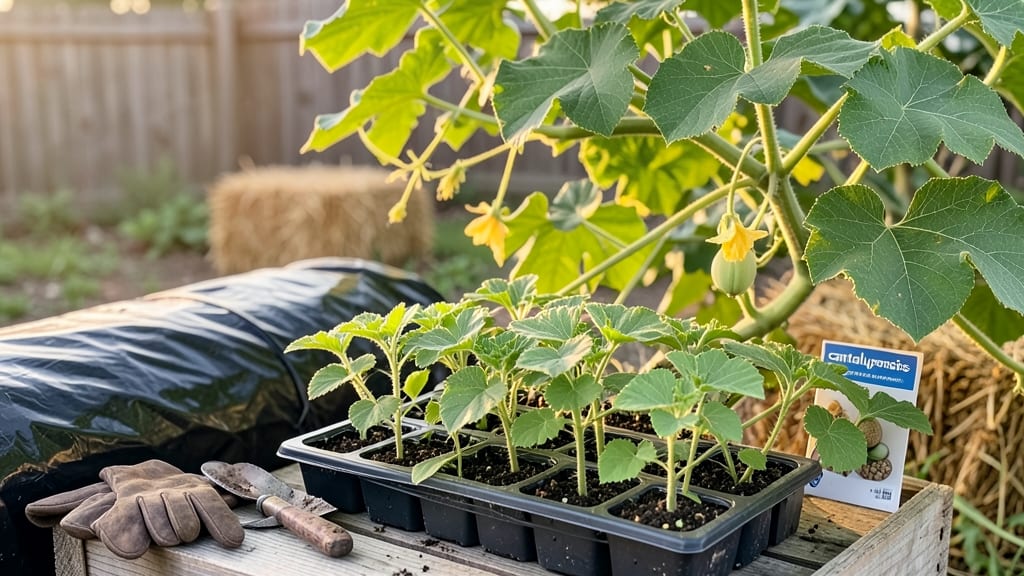
If your soil is still cool in late March, consider black plastic mulch to warm it up faster—this is a game-changer for early plantings in Georgia’s cooler Piedmont region.
Finally, remember that cantaloupe is a heavy feeder, so enrich your soil with compost or aged manure before planting. In Georgia’s clay-heavy soils, adding sand or perlite improves drainage, which is crucial for preventing root rot during the humid summer months.
Best planting timeline for cantaloupe in Georgia’s heat zone 8a
Georgia’s Heat Zone 8a offers an ideal environment for cantaloupe, but timing your planting window is critical to avoid frost damage or bolting. The sweetest, juiciest cantaloupes thrive when planted after your last frost date, typically around mid-March in most of the state.
However, soil temperature matters more than calendar dates—wait until the ground reaches at least 70°F before sowing seeds.
Direct sowing is the preferred method for cantaloupe in Georgia, as transplants often struggle with root shock.
Start seeds indoors 4-6 weeks before your target outdoor planting date if you’re in cooler microclimates (like the North Georgia mountains), but most gardeners skip this step in Heat Zone 8a and plant seeds directly into warm soil. This saves time and reduces transplant stress.
Key planting windows for Georgia:
| Planting Stage | Timeframe | Soil Temp | Notes |
|---|---|---|---|
| Direct Sowing | Late March–Early April | 70°F+ | Best for most of GA; avoid frost risk |
| Indoor Start | Early Feb (North GA) | 65°F+ | Only for cooler zones; transplant after last frost |
| Second Planting | Late April–Early May | 68°F+ | Extends harvest season; avoid summer heat stress |
For a continuous harvest, consider a second planting in late April or early May. This works well in southern Georgia where summers are longer. However, avoid planting after mid-May in northern regions, as vines may struggle to mature before fall frosts arrive in November.
Cantaloupes need 75-90 days to reach harvest, so plan accordingly.
Pro tip: Use black plastic mulch to warm the soil faster and suppress weeds. This is especially helpful in sandy soils common in coastal Georgia, where moisture drains quickly. Pair this with drip irrigation to maintain consistent soil moisture—cantaloupes hate dry spells during flowering.
Watch for bolt-resistant varieties if your spring is unpredictable. Some cantaloupes, like ‘Athena’, mature faster and tolerate cooler soils better than traditional types. Always harden off seedlings for 7-10 days before transplanting to prevent shock.
Once planted, cantaloupes thrive with 6-8 hours of sun daily and well-draining soil. In Georgia’s heat, focus on morning watering to reduce fungal risks and let the soil dry slightly between waterings. With the right timing, you’ll enjoy sweet, ripe cantaloupes from June through August! 🍈