
Plants
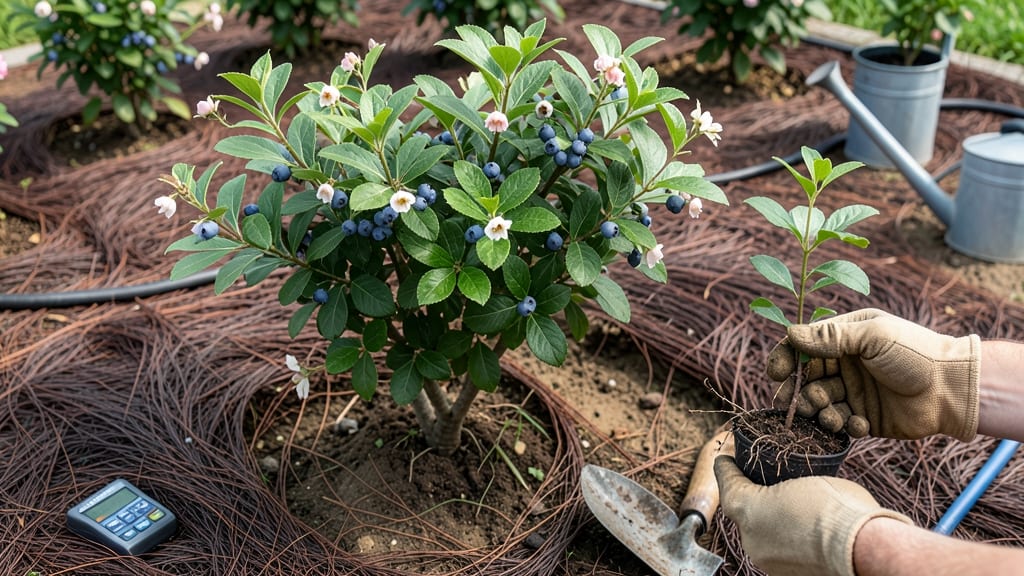
Timing your 🫐 blueberry planting in South Carolina isn't just about the calendar—it's about matching your variety to the state's unique chill hours and microclimates. Plant too early, and your bushes may struggle with heat stress; too late, and they won't establish roots before winter.
But when you nail the optimal window, you're setting up years of sweet harvests that'll make your neighbors jealous.
The key to success lies in understanding whether you're in the coastal lowlands or the Piedmont hills, where frost dates and humidity levels shift dramatically. Fall planting (October-November) gives roots time to settle before winter, while early spring (February-March) works for varieties that need a head start.
I'll break down exactly which approach works best for your specific location and blueberry type.
You might think all blueberries thrive the same way in SC, but that couldn't be further from the truth. Some varieties need 300 chill hours while others get by with just 200—and planting at the wrong time means wasted money and disappointed bushes.
Let me show you how to pick the perfect moment for your garden's success.
Ready to transform your yard into a blueberry paradise? We'll cover soil prep, frost-proofing tips, and even how to handle those pesky humidity challenges that make SC gardening a unique adventure.
By the end, you'll know exactly when to plant for maximum fruit production—and when to hold off for the best results.
Best planting months for SC blueberries by chill-hour requirements
South Carolina’s mild winters and humid summers create unique challenges for blueberry planting. Unlike northern states, SC’s USDA Zones 7b-9a mean fewer chill hours, so choosing the right planting window and variety is critical.
Plant too early, and your bushes may bolt in heat; too late, and they won’t establish before summer. The key? Matching chill-hour needs to SC’s fall or early spring windows.
Blueberries need dormancy periods to set fruit. In SC, this means selecting varieties that thrive with 300-900 chill hours. Low-chill varieties (300-500 hours) like 'Climax' or 'Premier' are perfect for coastal areas, while mid-chill (500-700 hours) varieties like 'Tifblue' suit the Piedmont.
High-chill varieties (> 900 hours) rarely succeed here without microclimate tweaks.
| Chill-Hour Category | Best Planting Window | SC Regions | Frost Risk | Key Tip |
|---|---|---|---|---|
| Low-Chill (300-500 hrs) | Late October-November (fall) or February (spring) | Coastal (Zone 8-9a) | Low (plant after Nov 15) | Avoid heatwaves in spring. |
| Mid-Chill (500-700 hrs) | October-November (fall) or Feb-March (spring) | Piedmont (Zone 7b-8) | Moderate (watch March frosts) | Mulch heavily to protect roots. |
| High-Chill (700-900 hrs) | November (fall only) or early Feb | Upstate (Zone 7b) | High (plant after first frost) | Use row covers for spring frost. |
Fall planting (October-November) is ideal for SC because the cool soil encourages root growth before winter. Bare-root bushes establish faster in 60-70°F soil, which SC’s fall offers. Aim to plant 4-6 weeks before first frost (typically late November in most areas). For spring planting, February-March works best—avoid late March when heatwaves stress young roots.
SC’s microclimates matter: Coastal areas (like Charleston) have warmer winters and fewer chill hours, while the Upstate (Greenville) gets cooler nights. Adjust planting by 2-4 weeks based on your zone. For example, 'Climax' (300 hours) thrives in Zone 9a but may struggle in Zone 7b without winter protection.
Timing also depends on bush maturity. Container-grown blueberries can plant year-round in SC, but bare-root bushes need dormant soil. If you miss fall, early spring is your next chance—just water deeply after planting to combat spring droughts.
Pro tip: Soak roots in water for 2 hours before planting to reduce transplant shock.
Watch for false springs, where warm spells trick bushes into blooming too early. In SC, March can swing from 80°F to 30°F in days—planting in February avoids this risk. Use frost cloth if planting late spring, but fall is always safer for SC’s unpredictable weather.
Soil temperature is your best guide. Use a soil thermometer to confirm 60-70°F before planting. In SC, this usually aligns with mid-October for fall or early February for spring. If soil is too warm, roots may desiccate; if too cold, growth stalls. Balance is key!
Finally, mulch immediately after planting with 3-4 inches of pine straw (SC’s native mulch). This retains moisture, regulates soil temp, and adds acidity—critical for blueberries. In Zone 8-9a, mulch also protects roots from heat stress in summer.
🌱 By matching chill hours, planting windows, and SC’s microclimates, your blueberries will thrive—and you’ll enjoy juicy harvests for decades.
Best planting months for SC blueberries by chill-hour requirements
South Carolina’s warm winters and humid summers make timing critical for blueberry success. The key? Matching your variety’s chill-hour needs with SC’s mild winter temperatures. Low-chill varieties (300-500 hours) thrive in coastal areas, while mid-chill (500-700 hours) works for Piedmont regions.
Fall planting (October-November) gives roots time to establish before winter, while spring planting (February-March) avoids heat stress. Never plant when soil temps exceed 80°F—roots burn easily in SC’s summer heat. Coastal areas can push planting slightly later due to milder winters.
🌱
| Chill-Hour Range | Best SC Region | Ideal Planting Window | Frost Risk |
|---|---|---|---|
| 300-500 hrs | Coastal (Zone 8a) | Nov-Feb | Low (mild winters) |
| 500-700 hrs | Piedmont (Zone 7b-8a) | Oct-Nov or Feb | Moderate |
| 700-900 hrs | Upstate (Zone 7b) | Oct only | High (hard frosts) |
For coastal SC, aim for November planting—soil stays workable longer, and winter rains help root growth. In Piedmont regions, October gives bushes time to establish before first frost (typically late November). Always check your local USDA Zone—Upstate gardeners should plant by mid-October to avoid winter stress.
Spring planting works best in Zone 8a (coastal) through March. Wait until soil warms to 50°F—cold soil slows root growth. Test soil pH (4.5-5.5) before planting; SC’s native soils often need sulfur amendments to acidify properly. Use well-draining soil to prevent root rot in our humid climate.
🌡️
Pro tip: Plant bare-root bushes in cool, cloudy days to reduce transplant shock. Water deeply immediately after planting, then maintain 1-2 inches of mulch to retain moisture. In Upstate SC, protect young plants with frost cloth during first winter—hard frosts can damage tender new growth.