
Planting
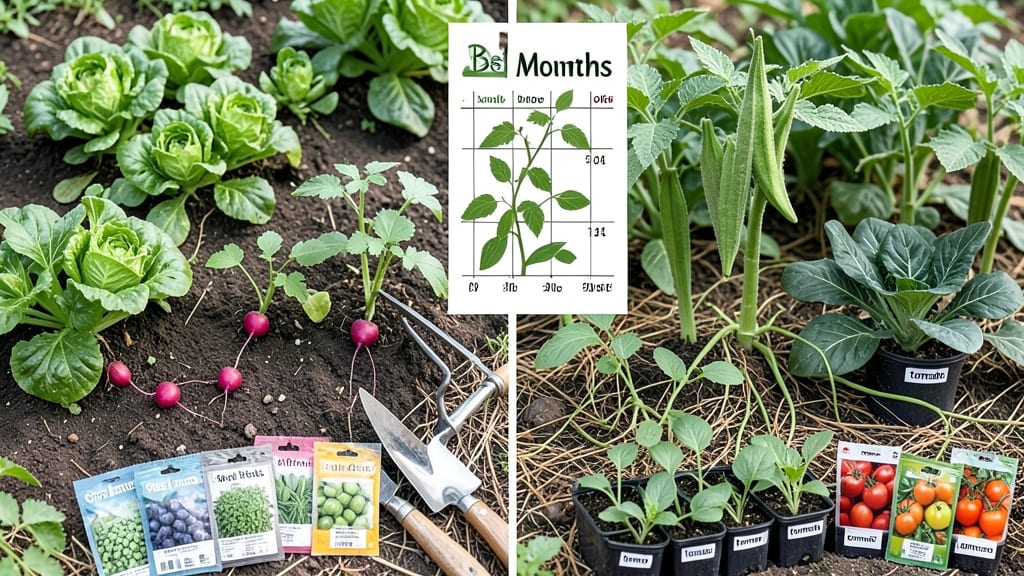
Timing when to plant a garden in South Carolina can make the difference between a thriving 🌱 General Garden and a disappointing harvest. With the right planting schedule, you can avoid frost damage and maximize yields for everything from tomatoes to native wildflowers.
This isn't just about throwing seeds into the dirt and hoping for the best—it's about working with your local climate. South Carolina's USDA Zones 7b-8a offer a long growing season, but even small timing mistakes can mean the difference between flourishing plants and wasted effort.
I'll show you exactly when to plant for your specific region—whether you're in the coastal areas, Piedmont, or Upstate. We'll cover both cool-season crops like lettuce and warm-season favorites like peppers, plus how to extend your growing window.
Ready to get started? Let's dive into the perfect planting calendar for your South Carolina garden, so you can enjoy fresh produce all season long without the guesswork.
South Carolina planting zones & frost-free dates by region
South Carolina spans USDA hardiness zones 7a through 8b, meaning last frost dates vary dramatically from the coastal plains to the Upstate mountains. Understanding your specific zone is critical—planting too early in zone 7a risks frost damage, while zone 8a gardeners can start earlier.
The coastal region (e.g., Charleston) enjoys 240+ frost-free days, while the Upstate (Greenville, Spartanburg) sees only 180-200 days.
For warm-season crops like tomatoes and peppers, wait until soil temps hit 60°F+—usually mid-April in coastal areas but late April to early May in the Upstate. Cool-season crops (spinach, kale, broccoli) can handle light frosts and should be sown 6-8 weeks before your last frost date.
First frost typically arrives in mid-November in the Lowcountry but can hit early November in the Piedmont.
Here’s how to pinpoint your exact planting window based on your region:
| Region | USDA Zone | Last Frost Date | First Frost Date | Spring Planting Window | Fall Planting Window |
|---|---|---|---|---|---|
| Coastal (Charleston, Hilton Head) | 8a-8b | March 1-15 | November 15-30 | Late Feb - Early April | August 15 - Sept 15 |
| Piedmont (Columbia, Rock Hill) | 7b-8a | March 15-30 | November 1-15 | Early March - Mid-April | August 1 - Sept 10 |
| Upstate (Greenville, Spartanburg) | 7a-7b | April 1-15 | October 20 - Nov 1 | Mid-April - Early May | July 15 - August 15 |
If you’re in zone 7a (Upstate), prioritize fast-maturing varieties like bush beans or radishes to harvest before the first frost. In zone 8a (coastal), you can even plant winter greens like collards in October for a holiday harvest.
Always check your local Cooperative Extension Service for microclimate adjustments—urban areas can be 2-3°F warmer than rural zones, delaying frost.
For warm-season crops, use the "120-day rule": If your frost-free season is 210 days, plant heat-lovers 90 days before your first frost (e.g., July 1 for Upstate gardeners). Cool-season crops like lettuce or carrots can handle light frosts, so sow them 4-6 weeks before your last frost date. Herbs like basil and cilantro are finicky—basil thrives in hot weather and should wait until after May 1, while cilantro bolts in heat and prefers spring or fall.
Pro tip: Use biodegradable row covers to extend your spring planting window by 2-3 weeks in cooler zones. These lightweight fabrics protect seedlings from late frosts while allowing sunlight and water through.
For fall crops, opt for cold-hardy varieties like kale or turnips, which sweeten after frost—plant them 60 days before your first frost for a winter harvest.
Don’t forget soil temperature—it’s just as critical as air temperature. Use a soil thermometer to confirm 60°F+ for warm-season crops and 40-50°F for cool-season starts.
In zone 7a, soil may lag behind air temps by 1-2 weeks, so don’t rush planting. Coastal gardeners can start indoor seedlings in February, while Upstate gardeners should wait until mid-March to avoid cold soil shock.
Finally, succession planting is your secret weapon. In zone 8a, you can plant bush beans every 2 weeks
Best month-by-month planting schedule for South Carolina gardens
South Carolina’s extended growing season lets you plant almost year-round, but timing matters for frost-sensitive crops like tomatoes and peppers. My schedule covers cool-season crops (Feb-Apr) and warm-season crops (May-Oct), with fall planting strategies to avoid early frost.
Start with hardy greens in early spring, then transition to heat-lovers as temperatures rise.
For coastal areas (Zone 8a), you can plant warm-season crops as early as March 15, while Upstate gardeners (Zone 7a) should wait until April 15 to avoid late frosts.
Always check your local last frost date—it’s your planting cue. I’ve broken this down by month to simplify planning, with herbs, flowers, and vegetables grouped for easy reference.
🌱 Key Tip: Use row covers or cold frames to extend early spring planting by 2-3 weeks in cooler zones. This protects tender seedlings like basil and cucumbers until soil warms to 60°F+. For fall planting, aim to harvest before first frost (Nov 15)—this means starting heat-loving crops like okra and sweet potatoes by mid-July.
My fall planting strategy focuses on cool-season crops like broccoli and cabbage, which thrive in mild autumn temperatures. Start seeds indoors in July for early fall transplants, or direct-sow in August after the hottest weeks pass.
For warm-season holdovers, prioritize heat-tolerant varieties like ‘Celebrity’ tomatoes or ‘Creole’ bell peppers—they’ll produce until frost.
Don’t overlook succession planting! For example, sow bush beans every 2 weeks from May to July to ensure a steady harvest. Similarly, lettuce and radishes can be planted in late summer for a winter harvest before the ground freezes. This tactic maximizes your garden’s productivity and minimizes wasted space.
Pro tip: Use a planting calendar app (like Gardenate) to sync