
Plants
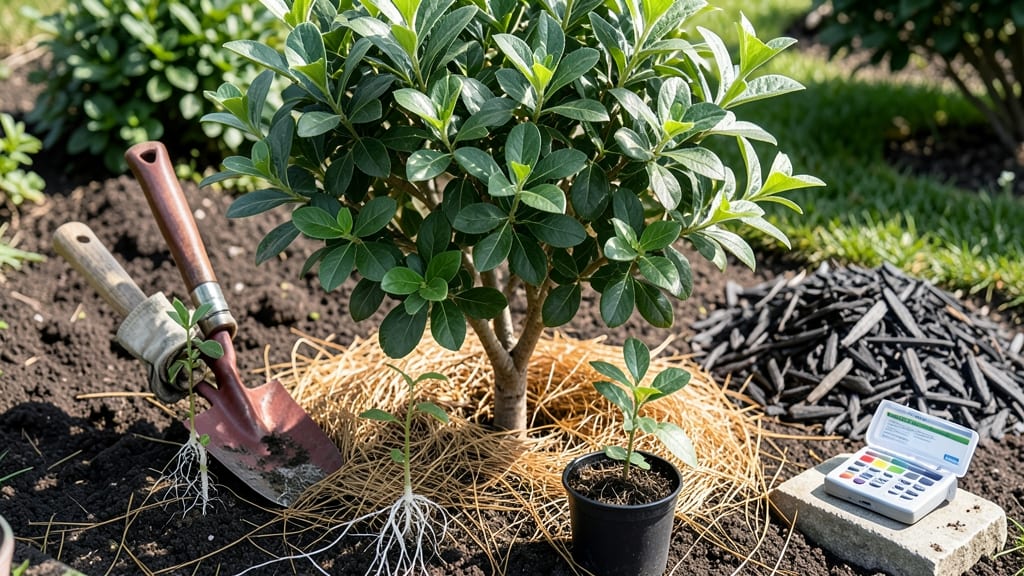
Timing your blueberry bushes planting in Georgia isn’t just about the calendar—it’s about matching varieties to the state’s tricky chill hours and heat spikes. Plant too early, and your 🫐 bushes may wilt under spring’s sudden warmth; too late, and they’ll struggle to root before winter’s chill.
The sweet spot? Late fall or early spring, when temperatures cooperate with your bushes’ needs.
Georgia’s diverse zones—from the cooler mountains to the steamy coastal plains—mean no single answer fits all. Southern Highbush varieties (like ‘Premier’) thrive with 400-600 chill hours, while Rabbiteyes (like ‘Climax’) need just 200-300**.
Planting in October-March gives roots time to settle before summer’s intensity, but regional tweaks matter—Atlanta’s heat demands earlier prep than Savannah’s milder winters.
Here’s the game-changer: chill-hour matching by variety. We’ll break down exactly when to plant each type, plus soil prep secrets to ensure your bushes take root like they’re on a Georgia vacation—not a survival test. Ready to turn your yard into a berry bonanza?
Skip the guesswork. Whether you’re a first-timer or a seasoned gardener, these timing tips will help you avoid the two biggest blueberry planting mistakes in Georgia: heat stress and wasted chill hours. Let’s get those bushes in the ground the right way.
Georgia’s best blueberry planting windows by chill-hour requirements
Blueberry bushes thrive in Georgia’s climate, but chill-hour requirements determine the best planting window for each variety. Southern Highbush types need 400-600 chill hours, while Rabbiteye varieties require only 200-300 chill hours. Matching your bushes to Georgia’s USDA Zones 7b-8b ensures strong root establishment and higher yields.
In North Georgia (Zones 7b-8a), cooler winters provide enough chill hours for both Southern Highbush and Rabbiteye varieties. Meanwhile, South Georgia (Zone 8b) gardeners should focus on Rabbiteye or Half-High varieties to avoid winter damage.
Planting in the right window prevents heat stress in summer and frost damage in winter.
Soil preparation is just as critical as timing. Test your soil’s pH (4.5-5.5) and amend with peat moss or sulfur 4-6 weeks before planting. This gives microbes time to acidify the soil naturally, creating the ideal environment for blueberry roots.
For bare-root bushes, the best planting window is late fall (October-November) or early spring (February-March). Container-grown bushes offer more flexibility, allowing planting year-round except in winter. Always water deeply after planting to reduce transplant shock.
Here’s a quick reference for Georgia’s planting windows by variety and chill-hour needs:
| Variety Type | Chill-Hour Range | Best Planting Window | Heat Tolerance | Notes for Georgia |
|---|---|---|---|---|
| Southern Highbush | 400-600 | Late fall (Oct-Nov) or early spring (Feb-Mar) | Moderate (needs afternoon shade in Zone 8b) | Best for North GA; needs winter chill |
| Rabbiteye | 200-300 | Fall (Oct-Nov) or spring (Mar-Apr) | High (thrives in South GA heat) | Top choice for Zone 8b; drought-tolerant |
| Half-High | 300-400 | Late fall (Oct-Nov) or early spring (Feb-Mar) | Moderate (ideal for transitional zones) | Great for Atlanta metro area |
In North Georgia, where winters are cooler, Southern Highbush varieties like ‘Premier’ or ‘Star’ perform exceptionally well. These bushes benefit from 600 chill hours, which North Georgia typically provides. Plant them in late fall to allow roots to establish before spring’s rapid growth.
For South Georgia’s warmer climate, Rabbiteye varieties such as ‘Climax’ or ‘Tifblue’ are ideal. Their 200-300 chill-hour requirement matches the region’s milder winters perfectly. Plant these in early spring (March-April) to avoid summer heat stress during root establishment.
Mulching with pine straw or wood chips helps retain soil moisture and regulate temperature. Apply a 3-inch layer around the base of the bush, keeping it 6 inches away from the trunk to prevent rot. This is especially important in Georgia’s hot summers.
After planting, monitor your bushes closely for signs of transplant shock, such as wilting or yellowing leaves. If you notice these symptoms, provide extra water and temporary shade until the bush recovers. Most blueberries establish fully within 60-90 days if planted at the right time.
Remember, Georgia’s microclimates can vary drastically even within short distances. If you’re in a warmer pocket of Zone 8b, opt for Rabbiteye varieties and plant in early spring to avoid summer heat stress during the critical root-establishment phase.
How to adjust planting timing for Georgia’s microclimates and heat waves
Georgia’s climate varies dramatically from the cooler North Georgia mountains to the hot, humid coastal plains, making planting timing a critical factor for blueberry success.
In Zone 7b (like Athens or Dahlonega), you can plant as late as early April without risking frost, while Zone 8b areas (Savannah or Macon) demand fall planting to avoid summer heat stress.
The key is matching your local last frost date with your blueberry’s chill-hour needs—a mismatch can delay fruiting by years.
For Rabbiteye varieties (like ‘Climax’), which thrive in 200-300 chill hours, aim for October-November planting to give roots time to establish before summer’s brutal heat. Southern Highbush (e.g., ‘Premier’) needs 400-600 chill hours, so late winter (February-March) is ideal in North Georgia, but South Georgia gardeners should plant in fall to avoid heat shock.
Even a two-week delay can reduce root growth by 30% in peak summer temperatures.
🔍 Visual Element: Numbered Highlights
- 🌡️ North Georgia (Zones 7a-7b): Plant Southern Highbush in late winter (Feb-Mar); Rabbiteye in fall (Oct-Nov) to avoid spring heat spikes.
- 🌡️ Central Georgia (Zone 7b-8a): Shift Southern Highbush to early spring (Feb) and Rabbiteye to late fall (Nov) for safer root establishment.
- 🌡️ South Georgia (Zone 8b): Only fall planting (Oct-Nov) works for Rabbiteye; Southern Highbush may need shade cloth if planted in spring.
- ⏳ Heat Wave Hack: If planting in late spring, use drip irrigation + shade cloth (30-50% coverage) for the first 6 weeks to reduce transplant shock by 50%.
- 🌱 Mulch Matters: Apply 3-4 inches of pine straw or wood chips immediately after planting to retain moisture and keep roots 5-10°F cooler during summer.
Heat waves are the #1 enemy of young blueberry bushes in Georgia. During June-August, temperatures can exceed 95°F, causing transplant shock even in established plants.
To extend your planting window, soak the root ball before transplanting and water deeply every 2-3 days for the first month. Drip irrigation (set to morning release) is a game-changer—it delivers water directly to roots while keeping foliage dry, reducing fungal diseases like botrytis by 70%.
Another trick? Plant on a cloudy day or after a rain shower to minimize stress.
If you’re in South Georgia, consider container growing—pots heat up faster, but you can move them to shade during peak afternoon sun. Half-High varieties (like ‘Tifblue’) handle heat slightly better than Southern Highbush, making them a top pick for Zone 8b.
Just ensure your containers have drainage holes and use acidic potting mix (pH 4.5-5.5).
Don’t overlook soil preparation timing. In North Georgia, amend soil with peat moss or sulfur in late fall (October) so it has time to adjust before spring planting.
For South Georgia, spring soil prep (February-March) is safer—summer rains can leach away amendments too quickly. Test your soil pH 2-3 weeks before planting; blueberries won’t thrive if pH rises above 6.0.
Use a simple DIY test kit (available at garden centers for $10) or send a sample to UGA Extension for a detailed analysis.
Finally, monitor your local microclimate. A 5-mile difference in elevation can shift frost dates by 2-3 weeks. Check NOAA’s Frost/Freeze Maps or ask neighbors with established blueberry bushes about their success.
In Atlanta’s urban heat islands, temperatures can be 5-10°F hotter than rural areas—adjust your planting window 2-4 weeks earlier to compensate. With these tweaks, you’ll beat the heat and give your blueberries the best possible start.