
Plants
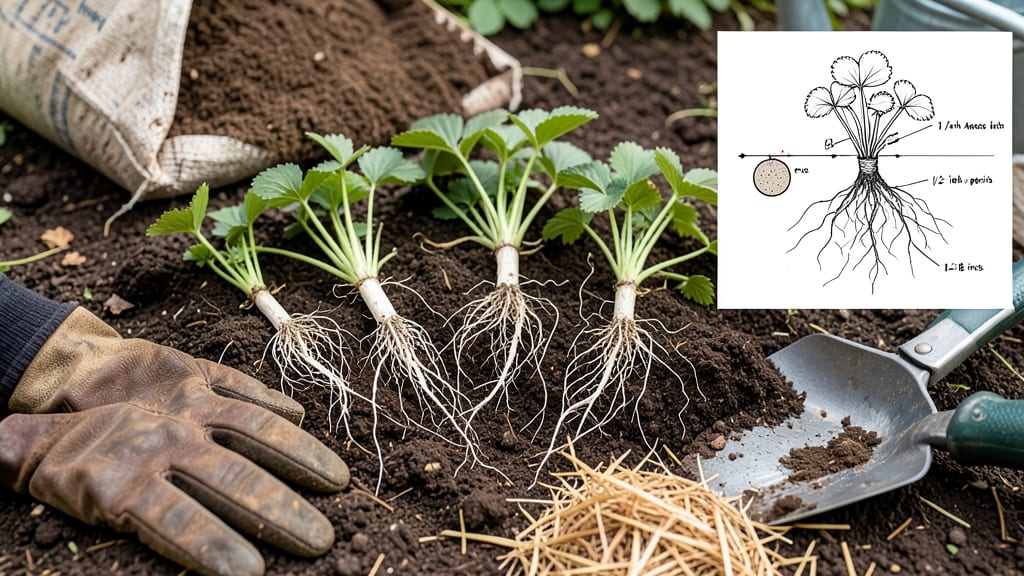
Timing your bare root strawberry 🍓 planting in Zone 8 isn’t just about the calendar—it’s about matching chill hours for that dream June harvest. Plant too early, and frost might nip your young roots; too late, and summer heat will stress them before fruiting.
The sweet spot? Late fall to early spring, when cooler temps and moisture work in your favor.
Here’s the game-changer: most Zone 8 gardeners overlook how chill-hour requirements vary by strawberry type. June-bearing varieties need 300+ hours of cold, while everbearing types thrive with 500-1000 hours. I’ll show you exactly how to align your planting with your local chill accumulation—no guesswork, just data-backed success.
Let’s cut to the practical: whether you’re prepping beds in November or February, I’ll walk you through soil prep, root soaking tricks, and how to shield your plants from Zone 8’s notorious late frosts. Skip the trial-and-error—this is your no-fail guide to strawberries that actually deliver.
Ready to turn your patch into a berry bonanza? By the end, you’ll know not just when to plant, but why the timing matters—and how to troubleshoot if things go sideways. Let’s get those roots in the ground the right way.

Optimal planting windows for bare root strawberries in Zone 8 by chill-hour requirements
Zone 8 gardeners face a unique challenge with strawberries—they need chill hours to fruit, but summer heat can stress plants if planted too early. Most June-bearing varieties require 300-1000 chill hours, while everbearing types need just 140-300 hours.
In Zone 8, we typically accumulate 800-1200 chill hours between November and February, making late fall or early spring the sweet spot.
Your local frost dates are critical. In Zone 8, the last frost usually occurs between mid-December and early January, while the first frost arrives mid-November to early December. Planting too early risks frost damage, while planting too late delays root establishment before summer heat arrives.
For June-bearing strawberries, aim for late November to early February—this gives roots time to establish before spring warmth triggers flowering. Everbearing varieties are more flexible, tolerating planting until early March in milder microclimates.
Microclimates matter! Coastal areas in Zone 8 may have warmer winters with fewer chill hours, while inland regions accumulate them faster. Test your chill hours using a chill-hour calculator or local extension service data to pick the right variety.
| Variety Type | Chill-Hour Needs | Best Planting Window | Zone 8 Notes |
|---|---|---|---|
| June-Bearing | 600-1000 hours | Late Nov–Early Feb | Highest yield; needs full chill hours |
| Everbearing | 140-300 hours | Late Nov–Early Mar | Fruits twice; tolerates heat better |
| Day-Neutral | 0-140 hours | Feb–Early Apr | Best for warm Zone 8 winters |
If you’re planting in late winter (February-March), choose everbearing or day-neutral varieties like Seascape or Albion, which thrive with fewer chill hours. These types also handle Zone 8’s hot summers better than traditional June-bearers.
For June-bearing varieties, prioritize Albion, Seascape, or Chandler, which are bred for Zone 8’s climate. These varieties balance chill-hour needs with heat tolerance, ensuring June harvests even in warmer microclimates.
Timing isn’t just about frost—it’s about root establishment. Planting in late fall (November-December) lets roots grow before spring’s active growth phase. If you miss this window, early spring (February) is your next best bet, but mulch heavily to protect roots from spring heatwaves.
Zone 8’s summer heat can stress strawberries, so avoid planting in late spring (April-May). Instead, focus on soil prep during this time—amend beds with compost and organic matter to retain moisture and insulate roots.
Protect your investment with mulch. Apply 4-6 inches of straw or pine needles after planting to retain moisture, suppress weeds, and moderate soil temps. This is especially critical in Zone 8’s dry summers.
Monitor your plants closely after planting. If new growth stalls or leaves yellow, it may signal root stress from improper timing or soil issues. Adjust watering and mulch to recover.
Optimal planting windows for bare root strawberries in Zone 8 by chill-hour requirements
Zone 8 gardeners face a unique challenge with strawberries—balancing chill-hour needs (300-1000+ hours) while avoiding late frosts and summer heat. The key? Planting bare root strawberries during cooler months when soil temps stay below 70°F.
June-bearing varieties need 600-1000 chill hours and thrive when planted in late fall (November-December). Everbearing types, with 300-500 chill hours, adapt better to early spring (February-March) plantings.
Here’s how to match your variety to Zone 8’s microclimate variations—from coastal mildness to inland heat:
| Variety Type | Chill Hours Needed | Best Planting Window | Zone 8 Notes |
|---|---|---|---|
| June-bearing | 600-1000+ | Late fall (Nov-Dec) | Plant 4-6 weeks before first frost; mulch heavily. |
| Everbearing | 300-500 | Early spring (Feb-Mar) | Avoid summer heat stress; use shade cloth if needed. |
| Day-neutral | 150-300 | Fall or spring | Most adaptable; plant in cooler months. |
For Zone 8’s inland areas, aim for November planting—soil stays cool, and roots establish before winter. Coastal gardeners can extend to early January if mild.
Pro tip: Soak roots for 30 minutes before planting to reduce transplant shock. Use well-draining soil amended with compost to prevent rot.
Timing is everything—plant too early, and frost damage risks rise. Too late, and summer heat stresses young plants. Zone 8’s sweet spot? November-December for June-bearing, February-March for everbearing. 🍓