
Plants
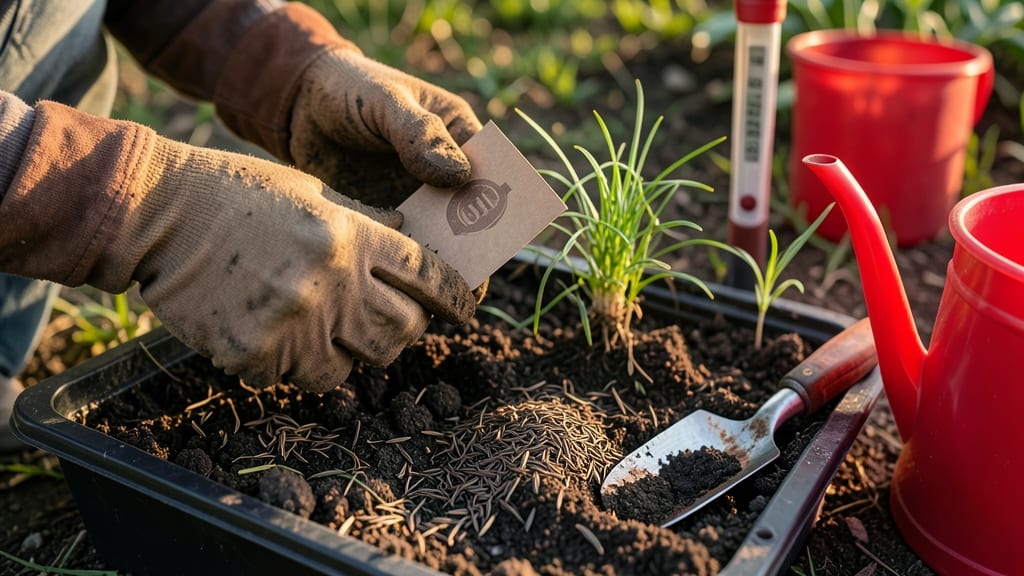
Planting Bermuda Grass seed in Arizona at the wrong time can mean watching your lawn turn into a crispy brown wasteland before it even gets a chance to grow.
The key to success isn't just about avoiding the scorching summer heat—it's about timing your planting to take full advantage of Arizona's unique climate and monsoon patterns.
If you're in USDA Zone 9b, the perfect window to plant Bermuda Grass seed is between late February and early April. This timing ensures your grass establishes strong roots before the summer heat kicks in, giving it the best chance to thrive when monsoon rains arrive.
Missing this window could leave your lawn struggling to survive the intense desert conditions.
What makes this even more critical is that Bermuda Grass is a warm-season grass, meaning it needs consistent warmth to germinate and grow. Planting too early can expose it to late frosts, while planting too late risks weak establishment before the brutal summer heat sets in.
Let me show you exactly how to get it right for your specific Arizona location.
Whether you're in Phoenix, Flagstaff, or anywhere in between, understanding these timing nuances is the difference between a lush, green lawn and one that fights for survival. We'll cover everything from soil prep to post-planting care to ensure your Bermuda Grass takes root fast and stays healthy all season long.
Best planting windows for Bermuda seed in Arizona’s heat zones
Arizona’s USDA Zones 9-11 create unique challenges for bermuda grass seed germination. Unlike sod, seeds need consistent soil temps (65°F+) and predictable moisture—both rare in summer. Planting too early risks frost damage, while late planting means struggling through 110°F+ heat before roots establish.
The ideal window shifts slightly by region. In Phoenix (Zone 10a), aim for late February to early April—just before monsoon season kicks in. For Flagstaff (Zone 7b), wait until mid-April to May when soil warms and frost risk disappears.
These timelines align with soil thermometer readings and historical rainfall patterns.
🌱 Pro Tip: Use a soil thermometer to confirm 65°F+ soil temps at 4" depth before planting. Morning temps often lag behind afternoon highs—plant in the coolest part of the day (early morning) to reduce stress.
Monsoon season (July-September) is your secret weapon for bermuda seed success. Planting 4-6 weeks before ensures roots establish during consistent rainfall, reducing manual watering needs. In Phoenix, aim for early April plantings to sync with July monsoons—this gives seeds 90 days of ideal moisture.
💧 Watering Hack: After planting, use drip irrigation set to 0.5 inches/day for the first 30 days. This mimics monsoon conditions and prevents seed desiccation. Avoid overhead sprinklers—they wash away seeds and spread disease.
For high-altitude areas (e.g., Sedona, Prescott), extend your window to May-June but use shade cloth (30-50%) until roots establish. These regions experience cooler nights and higher UV exposure, which can stress young seedlings. Test soil temps daily—70°F+ is critical for germination.
If you miss the spring window, consider fall planting (September-October) in Zone 9-10. However, growth slows dramatically after November, and winter dormancy can weaken seedlings. For Zone 11, fall plantings work year-round due to milder winters.
✅ Success Check: Healthy bermuda seedlings should show 2-3" growth in 30 days. If growth stalls, check for soil compaction or fungal issues (common in overwatered conditions). Adjust watering to deep soaks every 5-7 days once roots reach 4" depth.
🌡️ Heat Zone Reality: Bermuda grass goes dormant above 95°F. Planting too late means battling summer heat stress before roots can recover. Use mulch (straw or wood chips) to retain moisture and reduce soil temps by 5-10°F during peak heat.
How to prepare Arizona soil for Bermuda seed germination
Bermuda grass thrives in Arizona’s desert climate, but soil prep makes the difference between 90% germination and a patchy lawn. The key? Mimicking the natural desert ecosystem while ensuring proper drainage and nutrient availability.
Start by testing your soil’s pH level—Bermuda prefers 6.0 to 7.0. If your soil is too alkaline (common in Arizona), amend it with sulfur or peat moss to lower the pH gradually.
Next, clear the area of rocks, debris, and weeds. Bermuda grass spreads aggressively, so you’ll want a clean slate. Use a broadfork or rototiller to loosen the top 6 to 8 inches of soil.
This depth allows roots to establish deeply before summer’s heat sets in. Avoid compacting the soil—Bermuda grass roots need air and space to grow.
- 🔍 Test soil pH (aim for 6.0-7.0); amend with sulfur if too alkaline.
- 🪴 Remove rocks, weeds, and debris—Bermuda needs a clean, competition-free start.
- 🔧 Till soil to 6-8 inches deep for deep root penetration.
- 💧 Water deeply 2-3 days before planting to settle soil and encourage seedbed moisture.
- 🌱 Spread compost or starter fertilizer (high in phosphorus) to boost early root growth.
- ✂️ Level the soil with a rake—Bermuda thrives on even surfaces for uniform growth.
Before planting, give the soil a deep watering—aim for 1-2 inches of moisture in the top 6 inches. This mimics Arizona’s monsoon rains and ensures seeds germinate quickly. Avoid overwatering, though; Bermuda seed can rot if the soil stays soggy.
A light mulch of straw (½ inch thick) helps retain moisture while preventing crusting, which can suffocate new seedlings.
One often-overlooked step? Warm the soil. Bermuda seed germinates best when soil temps reach 65°F or higher. In cooler Arizona valleys (like Flagstaff), wait until late March or early April.
In Phoenix or Tucson, late February works if nights stay above freezing. Use a soil thermometer to check—this small tool saves you from wasted effort.
If your soil is sandy or rocky (common in the Sonoran Desert), mix in 20% organic matter like compost or coconut coir. This improves water retention without compacting the soil. Bermuda grass is drought-tolerant once established, but young seedlings need consistent moisture to break through the soil surface.
Plan to water twice daily (morning and evening) for the first 2 weeks after planting.
Pro tip: Shade cloth can be a lifesaver in high-desert areas like Sedona. If planting in early spring, use 30% shade cloth for the first 10 days to protect seedlings from intense spring sun while keeping soil temps ideal.
Remove it once seedlings show 2-3 inches of growth—they’ll need full sun to thrive long-term.
Finally, avoid heavy foot traffic on newly planted seed. Bermuda grass is tough, but seedlings are delicate. Use a lightweight board to walk on the soil if inspections are necessary. With the right prep, your Bermuda seed will germinate in 7-14 days and establish a dense, heat-resistant lawn by summer.