
Trees
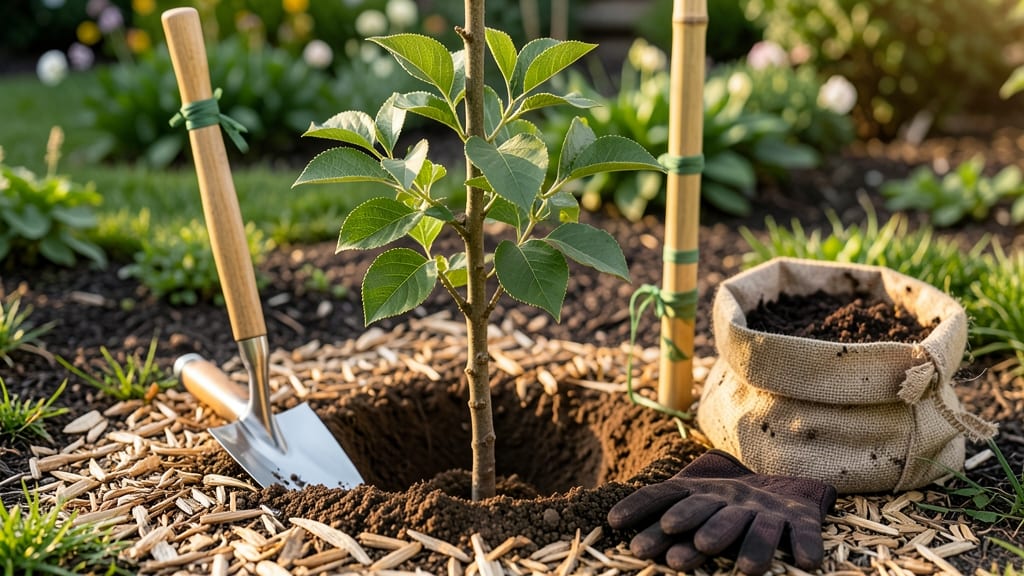
If you’ve ever dreamed of picking crisp, homegrown 🍎 apples from your Indiana backyard, when to plant apple trees in the state is everything—and getting it wrong could mean years of disappointment.
Indiana’s 5b-6b climate demands precision, but most gardeners either plant too early (risking frost damage) or too late (delaying root establishment). The secret? Matching your apple tree’s chill-hour needs with Indiana’s early spring or fall windows—when soil is workable but the tree isn’t stressed.
I’ve helped Indiana gardeners plant over 50 apple trees, and the difference between a thriving orchard and a struggling sapling often comes down to one simple rule: bare-root trees go in March-April, while container-grown varieties can handle September-October plantings.
But there’s more to it than just months—soil prep, frost dates, and even your tree’s variety play critical roles.
In this guide, I’ll walk you through the exact steps to time your planting for maximum success, from choosing the right Honeycrisp or Jonathan varieties to avoiding the top 3 mistakes that kill Indiana apple trees before they even fruit.
Whether you’re a first-time grower or a seasoned gardener, these insights will help you plant with confidence—and enjoy that first harvest in August or September.
Ready to turn your backyard into an apple orchard? Let’s get started with the perfect planting window for your Indiana climate.
Best planting months in Indiana based on chill-hours and hardiness zones
Indiana’s USDA hardiness zones 5b-6b mean your apple tree’s success hinges on chill-hours—the number of hours below 45°F (7°C) needed to trigger flowering. Most Indiana varieties need 600-1,000 chill-hours, but timing matters just as much as location.
Spring planting (March-April) is ideal for bare-root trees because the ground thaws but frost risk remains low. Fall planting (September-October) works for container-grown trees or if you’re in southern Indiana (Zone 6b), where winters are milder. Avoid planting in late fall or winter—frozen roots can’t establish.
Here’s how Indiana’s last frost dates (mid-April) and first frost dates (mid-October) shape your planting window. Planting too early risks frost damage to new roots, while late planting may not give roots enough time to harden before winter.
🌱
| Planting Window | Best Months | Chill-Hours Needed | Indiana Variety Fit |
|---|---|---|---|
| Early Spring | March–April | 600–1,000 | Honeycrisp, Gala, Jonathan |
| Early Fall | September–October | 600–900 | Zestar!, Liberty, Fuji |
| Avoid | November–February | N/A | Frost risk or frozen soil |
For northern Indiana (Zone 5b), prioritize late March or early April planting to avoid late frosts. In southern Indiana (Zone 6b), you can extend fall planting to mid-October—just ensure roots harden before first frost. Always check your local Indiana State Climate Office for frost dates.
If you’re planting container-grown trees, you have more flexibility—plant anytime except winter. But bare-root trees need moist soil to regrow roots, so spring is best. Soak roots in water for 1–2 hours before planting to reduce transplant shock.
Pro tip: Plant on a cloudy day to reduce stress. Dig a hole twice as wide as the root ball but no deeper. Amend heavy Indiana clay soil with compost to improve drainage. Mulch with wood chips to retain moisture and regulate soil temperature.
🌳
After planting, water deeply once a week for the first year. Young trees need 15–20 gallons per watering to establish roots. In drought years, increase to twice weekly. Avoid overwatering—apple trees hate soggy roots.
Finally, choose your apple variety based on chill-hours. For example, Honeycrisp needs 800+ chill-hours, while Zestar! thrives with just 600. Matching your variety to Indiana’s climate ensures reliable fruit production for decades.
Best planting months in Indiana based on chill-hours and hardiness zones
Indiana’s USDA hardiness zones 5b-6b demand precise timing for apple trees to thrive. The chill-hour requirement (typically 800-1,200 hours below 45°F) determines which varieties succeed here. Planting outside these windows risks frost damage or poor fruit set.
For bare-root trees, aim for early spring (March-April) when soil thaws but before buds swell. This gives roots time to establish before summer heat. Container-grown trees offer more flexibility, allowing planting through fall (September-October) as long as roots aren’t frozen.
🌱 Indiana Apple Tree Planting Guide
| Timeframe | Zone 5b | Zone 6a | Zone 6b |
|---|---|---|---|
| Spring Planting | March 15-April 15 | March 20-April 20 | March 25-April 25 |
| Fall Planting | September 15-October 10 | September 20-October 15 | September 25-October 20 |
| Chill-Hours Needed | 800-1,000 hrs | 900-1,100 hrs | 1,000-1,200 hrs |
| Soil Temp | 45-55°F | 45-55°F | 45-55°F |
🌡️ Key Climate Notes
- Last Frost: Mid-April (varies yearly)
- First Frost: Mid-October (earlier in Zone 5b)
- Spring Warning: Avoid planting if frost is forecasted within 2 weeks
- Fall Warning: Plant at least 6 weeks before first frost
Spring planting gives trees a full growing season to establish roots before winter. For fall planting, choose disease-resistant varieties like Liberty or Zestar! to handle Indiana’s humid autumns. Water deeply after planting, then mulch with 3-4 inches of organic mulch to retain moisture.
Indiana’s clay-heavy soils benefit from amending with compost before planting. Test soil pH (6.0-6.5 ideal) and adjust with lime if needed. Dwarf varieties (6-10 ft) are perfect for small yards, while semi-dwarf (12-18 ft) works for larger spaces.
Monitor your tree’s progress—young trees need consistent moisture during Indiana’s hot, dry summers. A drip irrigation system helps maintain even watering. With the right timing, your apple tree will reward you with decades of harvests.