
Trees
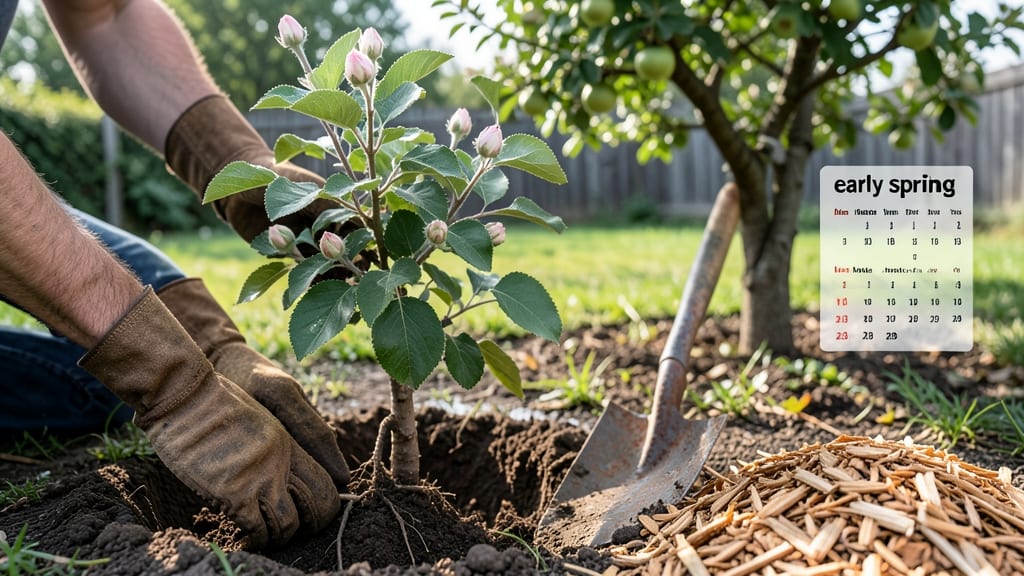
Timing your 🍎 apple tree planting in Connecticut could mean the difference between a thriving orchard and a frost-killed sapling—especially in Zone 6B-7A where winters are unpredictable. Planting too early risks harsh cold, while waiting too long leaves young roots vulnerable to spring heat.
The sweet spot? Late winter to early spring, when soil is workable but frost danger has passed.
Most Connecticut gardeners swear by March or early April as the ideal window—just weeks before your last average frost date.
But here’s the catch: northern CT’s cooler microclimates may need you to push planting into April, while southern areas can sometimes squeeze in late February plantings if soil temps cooperate. Let’s break down exactly how to time it right for your specific corner of the state.
Why does this matter? Apple trees planted at the wrong time struggle to establish strong root systems before winter, leaving them weak and prone to disease. The good news?
With the right preparation—like choosing cold-hardy varieties and amending heavy CT clay soil—you can give your tree the best shot at success. We’ll cover all the must-know details to set yours up for a lifetime of harvests.
From selecting the perfect variety for your zone to protecting young trees from late frosts, this guide gives you the actionable steps to plant with confidence.
Whether you’re a first-time gardener or a seasoned orchard keeper, these tips will help you avoid common pitfalls and get your 🍎 apple tree off to a strong start. Let’s get growing!
Optimal planting months for apple trees in Connecticut’s zones 6B-7A
Connecticut’s Zone 6B-7A climate demands precision when planting apple trees—miss the window, and you risk frost damage or stunted growth.
The ideal planting window spans late winter to early spring, specifically March through April, when soil temperatures rise above 40°F (4°C) but before the last frost date (mid-April).
For northern CT (Zone 6B), aim for March 15–April 1 to avoid late frosts. Southern CT (Zone 7A) gardeners have slightly more flexibility, with March 1–April 15 as the safe range. Fall planting is riskier but possible in October if you choose bare-root trees and protect them with mulch.
Here’s the key: Plant 4–6 weeks before your area’s last average frost date. In CT, this varies by region—check your local frost calendar (like Almanac.com) to pinpoint your deadline. For example, Hartford’s last frost is April 15, while Waterbury’s is April 5.
Soil temperature is critical. Use a soil thermometer to confirm it’s above 40°F (4°C) at 6 inches deep. Cold soil slows root growth, leaving young trees vulnerable. If temps dip below 32°F (0°C) after planting, cover the root zone with straw mulch (4–6 inches thick) to insulate roots.
Timing also depends on tree type. Bare-root trees (cheaper, faster-growing) must be planted while dormant (November–March), while container-grown trees can handle spring or fall planting. For CT, container-grown trees are safer in fall if soil temps stay above 50°F (10°C).
🌱
If you’re planting in fall, do it 6–8 weeks before the first frost—typically mid-September to early October in CT. Choose hardy varieties like ‘Liberty’ or ‘Cortland’, which tolerate cold better than ‘Gala’ or ‘Fuji’. Water deeply before the ground freezes to prevent root desiccation.
Urban gardeners in microclimates (e.g., near bodies of water or south-facing slopes) may have 1–2 weeks earlier frost-free periods. Monitor local weather stations or ask neighbors with established apple trees about their frost patterns.
For example, New Haven’s coastal influence can delay frosts by 5–7 days compared to inland areas.
🌿
Protect young trees from late frosts (common in CT’s April) by installing a frost cloth or row cover over the tree for the first 2–3 weeks after planting. Avoid plastic, which can trap heat and burn leaves. Instead, use breathable fabric secured with bricks or stakes to allow airflow.
Finally, avoid planting in summer—CT’s heat and humidity stress young trees. If you miss the spring window, wait until next fall. Patience now means decades of harvests later. Your apple tree’s future depends on these 6–8 weeks of perfect timing.
How to prepare for planting: soil, variety, and frost protection tips
Connecticut’s clay-heavy soil and unpredictable frosts demand extra prep work before planting your apple tree. Start by testing your soil’s pH level—aim for 6.0 to 7.0—since apple trees thrive in slightly acidic to neutral conditions.
If your soil is too dense, mix in compost or aged manure to improve drainage and nutrient retention.
Next, choose cold-hardy varieties suited for Zone 6B-7A. Top picks for CT include ‘Liberty’ (resistant to fire blight), ‘Cortland’ (great for storage), and ‘McIntosh’ (early-season favorite). Dwarf or semi-dwarf rootstocks like M.9 or MM.106 work well for small spaces.
When planting, dig a hole twice as wide as the root ball but no deeper. This prevents root suffocation from compacted soil. Place the tree so the graft union (visible bump on the trunk) sits 2–3 inches above soil level.
Backfill with native soil mixed with compost, then water deeply to eliminate air pockets.
Frost protection is critical in CT’s Zone 6B-7A. After planting, apply a 3–4 inch layer of mulch (straw or wood chips) around the base, keeping it 6 inches away from the trunk.
For young trees, wrap the trunk with tree guard or burlap to shield against late frosts. In exposed areas, consider a windbreak like evergreen shrubs or a temporary fence.
Finally, water deeply once a week during the first growing season, aiming for 15–20 gallons per tree. Morning watering reduces evaporation and fungal risks. By following these steps, your apple tree will establish strong roots and survive CT’s winter extremes with ease.