
Plants
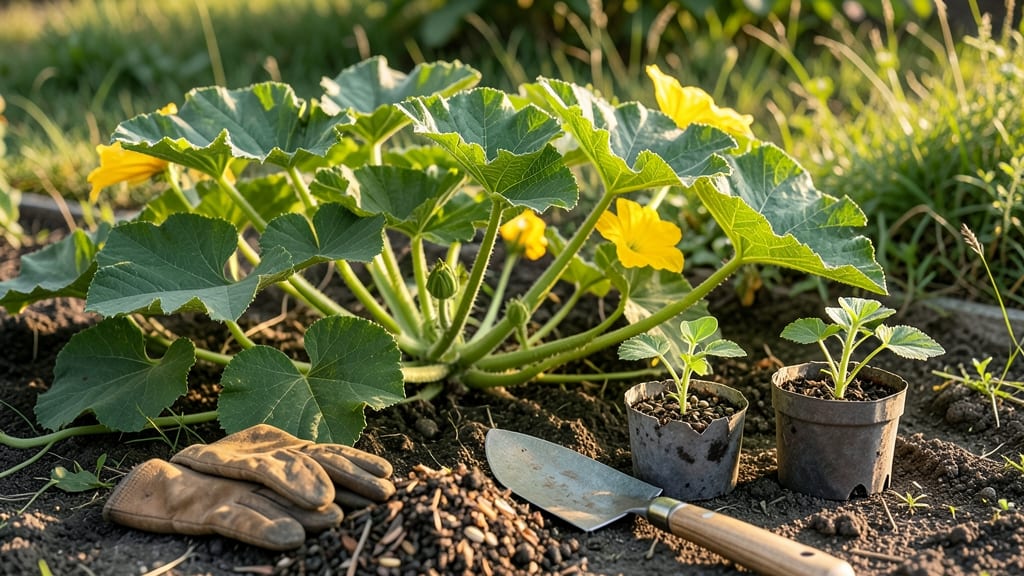
If you're dreaming of carving 🎃 jack-o'-lanterns this Halloween, when should you plant pumpkins in Indiana to avoid a frost-kissed disaster? Timing is everything—especially in Indiana's USDA Zone 6a, where a late frost can turn your pumpkin patch into a sad, wilted memory before it even begins.
Most gardeners wait until mid-April to early June to plant pumpkins, but Indiana’s unpredictable spring weather means you can’t just follow a calendar.
The key is watching for soil temperatures to hit at least 60°F and ensuring the last frost has passed—typically around April 15—before sticking those seeds in the ground.
Here’s the game-changer: Whether you’re direct-sowing or starting seeds indoors, I’ll break down the exact Indiana-specific timeline to maximize your harvest and avoid common mistakes that leave gardeners scratching their heads in October.
From spacing vines to adjusting for early or late springs, you’ll learn how to turn Indiana’s 165 frost-free days into a pumpkin-growing powerhouse—no guesswork required.
Indiana pumpkin planting timeline by USDA Zone 5b/6a (with frost risk analysis)
Indiana’s USDA Zones 5b and 6a create a delicate balance for pumpkin growers—too early, and frost zaps tender seedlings; too late, and your 90-day harvest window shrinks.
The key is planting after your average last frost date, which typically falls between April 15 and May 1, depending on your region. Northern Indiana (Zone 5b) plays it safer with a May 1 target, while Southern Indiana (Zone 6a) can start as early as mid-April.
Purdue Extension data shows that soil temperatures must reach 60°F consistently before planting—cold soil delays germination and invites rot. Use a soil thermometer to confirm readiness, especially in early springs when Indiana’s weather can flip from 80°F to 30°F in a week. This temperature threshold is your non-negotiable green light.
Most Indiana gardeners choose direct sowing over indoor starters because pumpkins hate root disturbance. However, if you’re growing late-maturing varieties like ‘Howden’ (110 days to harvest), starting seeds indoors 4-6 weeks before your last frost buys you extra time.
Just harden off seedlings for 7-10 days before transplanting to avoid shock.
Here’s the frost risk breakdown for Indiana’s two zones, with planting windows tailored to minimize danger:
For maximum yield, aim to plant pumpkins by June 1 at the latest. Varieties like ‘Jack Be Little’ (75 days) or ‘Small Sugar’ (80 days) are ideal for late starts, while ‘Cinderella’ (100 days) or ‘Autumn Gold’ (90 days) need that early May window.
Pro gardeners in Indiana often plant successive batches—one in May for early harvests and another in June for fall displays.
Indiana’s microclimates can shift planting dates by 2+ weeks. For example, urban heat islands in Indianapolis may allow planting 10 days earlier than rural areas. Check local CoCoRaHS weather stations or Purdue’s Indiana Climate Smart tool for hyper-local data.
If you’re in a low-lying area, frost risk increases—opt for bush varieties like ‘Waltham Butternut’ to simplify care.
Remember: Pumpkins need space. Even dwarf varieties require 3–4 feet of diameter, while standard vines sprawl 15–30 feet. Plan your garden layout now—trellising isn’t practical for pumpkins, so allocate 20–30 square feet per plant for trailing vines.
Use raised beds in cold pockets of your yard to warm soil faster and extend the season.
If you’re new to pumpkin growing, start with 2–4 plants to test your timing. Label seeds by variety and planting date—this helps track which methods work best for your Indiana microclimate. For example, ‘Cinderella’ might thrive in your yard while ‘Howden’ struggles with humidity-related diseases like powdery mildew.
🎃 Key Takeaway: Indiana’s Zone 5b/6a pumpkin success hinges on soil temperature, not just calendar dates. Wait for 60°F soil and plant after your last frost—but don’t wait past June 1 unless you’re okay with smaller pumpkins.
Use row covers or black plastic mulch to warm soil faster if needed.
5 Critical factors that determine your pumpkin planting success in Indiana
Indiana’s USDA Zone 5b/6a climate demands precision when planting pumpkins—one wrong move, and your crop could face stunted growth or frost damage. The 5 critical factors below will help you avoid common pitfalls and maximize your harvest potential.
First, soil temperature is non-negotiable. Pumpkin seeds won’t germinate until the soil reaches a steady 60°F or warmer. In Indiana, this typically aligns with mid-to-late May for most regions, but Northern Indiana may need to wait until early June. Use a soil thermometer to confirm—don’t guess!
Proper spacing is another game-changer. Pumpkin vines sprawl aggressively—4-6 feet between hills gives them room to thrive, while dwarf varieties (like 'Baby Boo') can get by with 3-4 feet. Crowding leads to disease pressure and poor fruit development, so plan your layout like a pro.
Don’t overlook companion planting. Nasturtiums and marigolds repel pests like squash bugs, while avoiding fennel or potatoes prevents stunted growth. For late varieties like 'Howden' or 'Cinderella', use row covers or black plastic mulch to extend the season by 2-3 weeks.
Finally, soil preparation sets the stage. Amend your soil with compost or aged manure before planting to ensure fertile, well-draining conditions. A pH of 6.0-6.8 is ideal—test your soil in early spring to make adjustments if needed.
By mastering these 5 critical factors, you’ll transform Indiana’s USDA Zone 5b/6a challenges into a pumpkin-growing powerhouse. Happy planting! 🎃