
Flowers
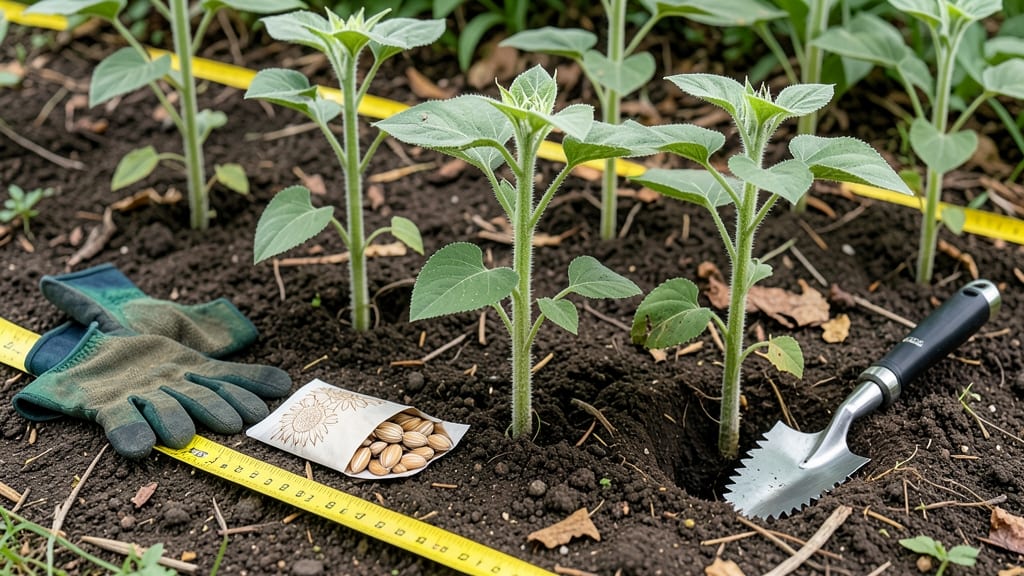
Timing your sunflower planting in Indiana could mean the difference between towering stalks reaching for the sky and underwhelming blooms that barely stand a chance. The exact weeks before your last frost—typically around mid-April—are the sweet spot for coaxing those vibrant 🌻 faces to flourish.
If you've ever watched a sunflower shoot up from a tiny seed to 10 feet tall in just a few months, you know the magic happens when you plant at the right moment.
Indiana's USDA Zone 6a climate demands precision, and missing that window can leave your plants struggling with cool soil or late-season pests.
I’ve grown sunflowers in Indiana for years, and the key to success isn’t just waiting for the calendar—it’s understanding your soil’s readiness and adjusting for those unpredictable Indiana springs. Whether you’re aiming for dwarf varieties or giants that dwarf your fence, the timing matters more than you think.
In this guide, I’ll walk you through the exact planting schedule, soil prep tricks, and even how to handle those late frost surprises that Indiana loves to throw our way. Let’s get those sunflowers off to the best possible start!
Indiana sunflower planting timeline: exact weeks before last frost for best growth
Indiana’s USDA Zones 5-6 mean your last frost date typically falls around April 15, but this can vary by microclimate. For maximum sunflower growth, aim to plant 2-4 weeks before your final frost—usually mid-April to early May.
This window ensures your seeds germinate in 50°F+ soil and mature before summer’s peak heat.
Sunflowers are fast growers, reaching 6-10 feet tall in just 80-120 days. Planting too early risks frost damage to young seedlings, while late planting may result in stunted blooms before fall’s first frost. Succession planting every 2 weeks after your initial date extends your harvest season.
🌱
| Planting Window | Soil Temp | Days to Maturity | Notes |
|---|---|---|---|
| Mid-April (Zone 6) | 50°F+ | 80-90 days | Best for early blooms; use row covers if frost risk remains. |
| Early May (Zones 5-6) | 55°F+ | 90-100 days | Ideal for tallest stalks; avoid overcrowding. |
| Late May (Succession) | 60°F+ | 100-120 days | Extend harvest into fall; choose dwarf varieties for containers. |
| Early June (Late Start) | 65°F+ | 120+ days | Risk of bolting before frost; prioritize short-season varieties. |
For giant sunflowers (like 'Mammoth'), stick to mid-April to early May planting. These varieties need longer daylight and warmer soil to reach their 10-14 foot potential.
In northern Indiana, where frosts linger, opt for dwarf or semi-dwarf types (e.g., 'Teddy Bear') if planting in late May.
Use a soil thermometer to confirm 50°F+ soil before planting—cold soil delays germination. Indiana’s clay-heavy soils benefit from amending with compost to improve drainage. Plant seeds 1 inch deep and 6 inches apart, with 18-24 inches between rows for airflow.
💧
If you’re unsure about your last frost date, check local Almanac records or use the National Weather Service’s frost calculator. In southern Indiana (Zone 6), you might push planting to late March under row covers, but northern areas should wait until mid-April to avoid frost damage.
For fall planting, try late summer sowings (August) for autumn blooms, but expect smaller flowers. Succession plant every 2 weeks in spring to enjoy continuous blooms from July to October. This strategy also helps prevent bolting (premature flowering) caused by heat stress.
🌿
Pro tip: Direct-sow seeds instead of transplanting—sunflowers hate root disturbance and may bolt faster when stressed. If you must start indoors, use biodegradable pots and transplant only when soil is warm. Avoid over-fertilizing with nitrogen, which promotes leafy growth over blooms.
Finally, watch for pests like sunflower moths and squirrels, which love young seedlings. Use row covers or physical barriers until plants reach 6 inches tall. With the right timing, your Indiana sunflowers will reach record heights and brighten your garden all season!
How to time sunflower planting for tallest stalks in Indiana’s climate
Indiana’s variable spring weather can make timing tricky, but planting sunflowers 2-4 weeks after your last frost date ensures they reach their full height potential. For most of Indiana (USDA zones 5-6), this means aiming for mid-April to early May—when soil temperatures hit 50°F+.
Sunflowers need at least 60-90 days of warm weather to mature, so late spring plantings (after May 15) may only yield dwarf varieties or smaller blooms. If you’re growing giant sunflowers like 'Mammoth,' start seeds indoors 4-6 weeks before your target outdoor date for a head start.
For tallest stalks, space seeds 6 inches apart in rows 18-24 inches apart. Crowding reduces airflow, increasing powdery mildew risk—a common issue in Indiana’s humid summers. If you’re short on space, choose semi-dwarf varieties like 'Teddy Bear' (3-5 ft tall) for easier maintenance.
Succession planting works well in Indiana: Sow new seeds every 2 weeks from April through early June to enjoy continuous blooms all summer. This also extends your harvest window if you’re growing sunflowers for seeds. Just remember—late plantings (after June 1) will only yield small flowers before frost.
Amend your soil with compost or aged manure before planting to boost nutrient availability. Sunflowers are heavy feeders, especially when growing tall. A light application of 10-10-10 fertilizer at planting time gives them the phosphorus boost they need for strong root development.
Finally, avoid the common mistake of planting too deep—sunflower seeds should only go 1 inch underground. Deeper planting delays germination, and Indiana’s cool, wet springs can cause seeds to rot if buried too deeply.
With the right timing and care, your sunflowers could reach 10+ feet tall—taller than a basketball hoop! 🌻