
Plants
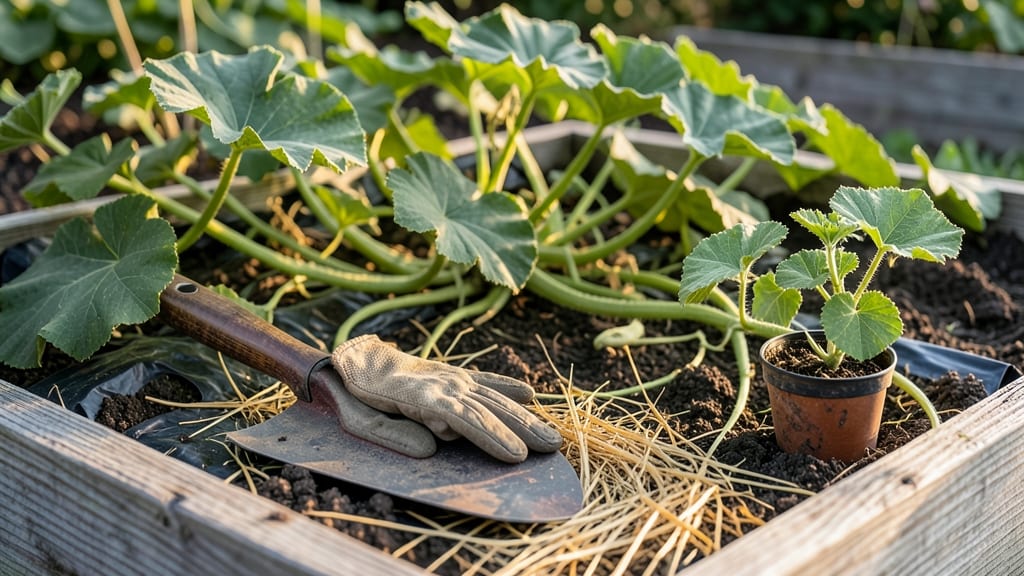
Planting pumpkin seeds in Indiana isn’t just about tossing them in the dirt—it’s about timing them perfectly to beat frost and maximize your harvest. With Indiana’s USDA Zone 6a climate, a late spring frost can still linger into April, while early fall frosts creep in by October. If you miss the window, you’ll end up with half-sized pumpkins or no harvest at all.
For 90-day varieties, the sweet spot is between mid-April and early June, but soil temperature matters just as much as the calendar. Seeds need warm soil—at least 60°F—to sprout, and Indiana’s unpredictable spring weather can throw off even the best-laid plans.
I’ll show you how to adjust for your specific microclimate, whether you’re in urban Indianapolis or rural farmland.
Beyond dates, success hinges on soil prep and variety choice. The right pumpkin type—like ‘Jack Be Little’ or ‘Sugar Pie’—can shave weeks off your growing season, while proper seed depth and spacing ensure strong vines.
Let’s break down the exact steps to turn your Indiana garden into a pumpkin patch worthy of a fall festival.
Ready to grow pumpkins that rival the ones at the farmers’ market? I’ll walk you through every detail—from when to plant to how to harvest—so you can enjoy homegrown 🎃 by October. No guesswork, just results.
Indiana pumpkin planting calendar: exact dates for 90-Day varieties by last frost
Indiana’s USDA Zones 5b/6a offer a 165-day frost-free window, making timing critical for 90-day pumpkin varieties. The average last frost date falls between April 15–May 1, while the first frost arrives October 15–30.
To maximize yields, align your planting with these dates while accounting for soil warmth and heat unit accumulation.
For direct-sown seeds, wait until soil temperatures reach 60°F+—typically mid-May in most of Indiana. However, starting seeds indoors 3–4 weeks before the last frost (early April) gives you a 2-week head start for transplanting hardened seedlings after Memorial Day.
This strategy extends your growing season by 10–14 days, crucial for Indiana’s shorter summers.
📅 Key Deadlines for Indiana:
- Indoor Start: April 1–15 (3–4 weeks before last frost)
- Outdoor Transplant: May 15–June 1 (after soil warms to 60°F)
- Direct Sowing: May 20–June 10 (soil temp ≥60°F)
- Harvest Window: September 15–October 15 (before first frost)
| Stage | Action | Indiana Timeline | Heat Units Needed |
|---|---|---|---|
| Indoor Start | Sow seeds in trays | April 1–15 | None (protected) |
| Transplant Outdoors | Hardy seedlings to garden | May 15–June 1 | 500+ GDD |
| Direct Sow | Plant seeds 1" deep | May 20–June 10 | 600+ GDD |
| Flowering | Pollinate for fruit set | June 20–July 15 | 1,000+ GDD |
| Harvest | Rind hard, vine yellows | September 15–October 15 | 1,500+ GDD |
Indiana’s northern counties (Zone 5b) face earlier frosts, so prioritize early-maturing varieties (e.g., ‘Jack Be Little’ at 75 days) or extend the season with row covers.
In southern Indiana (Zone 6a), you can push planting to early June for late-summer harvests, but avoid sowing after July 1—vines won’t mature before frost.
Use a soil thermometer to confirm readiness; cold soils delay germination. In 2023’s late spring, many Indiana gardeners waited until June 1 for direct sowing, sacrificing early yields but avoiding frost damage. For consistency, aim to have vines flowering by July 1 to ensure fruit ripens before October.
Pro tip: Plant two successions—one in early May (transplants) and another in late May (direct sow)—to stagger harvests. This doubles your chances of beating Indiana’s unpredictable fall frosts while maximizing garden space.
If your local frost dates vary (check Purdue Extension’s frost maps), adjust by 1–2 weeks. For example, Lafayette’s last frost averages April 20, while Gary’s is May 5. Tailor your schedule to your microclimate to avoid wasted seeds or frost-nipped vines.
Remember: Pumpkins need 90+ days from seed to harvest, so count backward from your first frost. In Indiana, that means starting no later than June 1 for a September harvest. Miss this window, and you’ll be left with green, unripe pumpkins when winter arrives.
🌱 For Indiana gardeners, the sweet spot is planting transplants by May 15 or direct-seeding by June 1. This balances <
5 Critical factors that determine your pumpkin planting success in Indiana
Indiana’s variable climate means timing isn’t the only factor—soil warmth, microclimates, and seed placement all play starring roles. Ignore these details, and even perfect planting dates won’t guarantee success. Let’s break down the five critical factors that separate thriving pumpkin patches from disappointing vines.
First, soil temperature is non-negotiable. Pumpkin seeds need consistent 60°F+ soil to sprout—cold soil delays germination by weeks. Use a soil thermometer to check depth (2 inches) before planting. In Indiana, this typically aligns with late May, but early years can push it into June.
Microclimates create hidden opportunities. Urban gardens often warm faster than rural fields, while south-facing slopes get sun earlier. Test your spot: Plant test seeds in April—if they thrive, you can start earlier. Rural areas should wait until after May 15 to avoid frost risk.
Seed depth matters more than most gardeners realize. Plant 1–2 inches deep in loose, well-draining soil. Too shallow, and seeds dry out; too deep, and they struggle to surface. Mix compost into the top 6 inches of soil before planting to improve drainage and warmth retention.
Companion planting boosts yields by 30–50% in Indiana’s short season. Pair pumpkins with bush beans, nasturtiums, or marigolds to deter pests like squash bugs. Avoid planting near potatoes or fennel, which stunt growth. Use 3–4 foot spacing between hills to maximize airflow and sunlight.
Frost protection is your final safeguard. Even with perfect timing, late spring frosts can damage young vines. Use row covers for the first 2 weeks after transplanting, or choose cold-hardy varieties like ‘Jack Be Little’ (tolerates 28°F).
Monitor local frost forecasts—Indiana’s last frost can vary by 2 weeks from year to year.
Pro tip: Start seeds indoors 2–3 weeks before your last frost date if you’re eager to extend the season. Use biodegradable pots to transplant seedlings without disturbing roots. This buys 10–14 extra days of growth in Indiana’s tight schedule.
Master these factors, and your Indiana pumpkin patch will outperform neighbors’—even with the same planting dates. The key? Adapt, not just follow calendars. 🌱🎃✂️