
Plants
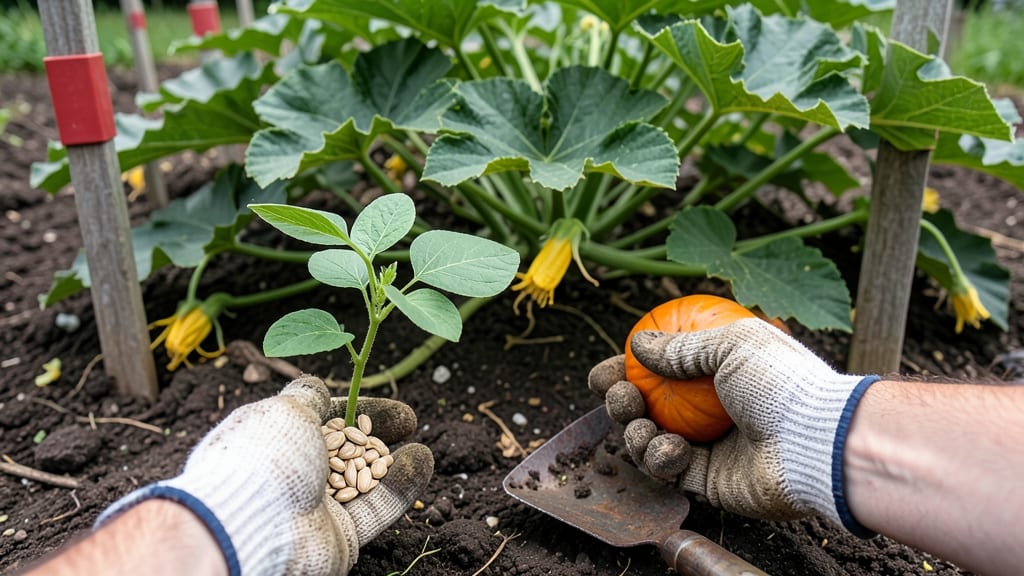
Timing your 🎃 pumpkin planting in Indiana isn’t just about grabbing seeds and sticking them in the ground—it’s about playing the climate’s tricky game of frost and heat.
With USDA Zone 6a weather that swings from icy April mornings to scorching June afternoons, planting too early or late can mean the difference between a jackpot harvest and a sad, wilted vine.
Most Indiana gardeners swear by the mid-April to mid-June window for direct sowing, but here’s the catch: your soil needs to be at least 60°F before those seeds even think about sprouting.
That means waiting for the last frost—usually around April 15—but don’t let false springs fool you into rushing. A late frost can turn your eager seedlings into sad, blackened snacks.
In this guide, I’ll break down the exact weeks you should plant based on your corner of Indiana, whether you’re growing summer squash or giant winter pumpkins, and how to adjust if Mother Nature throws a curveball.
Spoiler: the key isn’t just the calendar—it’s the soil thermometer and a little patience.
Ready to turn your patch into a pumpkin powerhouse? Let’s dive into the week-by-week planting schedule that’ll have you carving (or baking!) your harvest by October.
Indiana pumpkin planting dates by soil temperature & last frost dates
Pumpkins thrive in Indiana’s USDA Zone 6a, but getting the timing right means the difference between a bountiful harvest and wilted vines. The key factors are soil temperature (minimum 55°F for germination, ideal 60-65°F for fast sprouting) and last frost dates, which vary by region.
Most of Indiana’s average last frost falls around April 15, but northern areas like Fort Wayne may see frost until May 1.
Planting too early risks frost damage to young seedlings, while waiting too long cuts your harvest window. Indiana’s 165-day frost-free season means you’ll need varieties that mature in 75-120 days to avoid early fall frosts.
For example, ‘Jack Be Little’ (75 days) is perfect for late plantings, while ‘Howden’ (90 days) gives you flexibility for mid-April starts.
Here’s your week-by-week planting guide for Indiana’s three key regions, based on soil temperature and frost-free deadlines. Use a soil thermometer to confirm readiness—pumpkin seeds won’t sprout below 55°F, no matter how eager you are!
| Region | Avg. Last Frost | Soil Temp. for Planting | Optimal Planting Window | Last Chance to Plant |
|---|---|---|---|---|
| Northern IN (Fort Wayne, Gary) | May 1 | 60-65°F | May 15–June 1 | June 15 (for fast varieties) |
| Central IN (Indianapolis, Lafayette) | April 15 | 55-60°F | April 20–May 15 | June 1 |
| Southern IN (Evansville, Terre Haute) | March 30 | 55-60°F | March 25–April 30 | May 15 |
| All Regions (Indoor Start) | N/A | 70-75°F (seedlings) | March 1–15 (transplant after frost) | April 15 (hardening off) |
⚠️ Pro Tip: Use black plastic mulch to warm soil faster and extend your planting window by 1-2 weeks.
If you’re planting in containers or raised beds, aim for May 1 across all regions—these microclimates warm up faster but also dry out quicker. For in-ground planting, mid-April to mid-May is ideal for central and southern Indiana, while northern gardeners should wait until after May 1 to avoid frost.
For giant pumpkins (like ‘Atlantic Giant’), start seeds indoors in March and transplant after the last frost. These varieties need 120+ days to mature, so don’t risk planting them outdoors before April 20 in southern Indiana or May 10 in northern areas.
Use a frost calendar from your local Cooperative Extension office (e.g., Purdue Extension) for real-time updates. In 2023, Indianapolis saw a late frost on May 5, while Evansville’s last frost was March 28—showing how much variation exists even within the state.
To test soil temperature, bury a thermometer 2 inches deep in your garden bed for 24 hours. If it reads below 55°F, wait another week or use black plastic mulch to speed up warming.
Pumpkin seeds germinate best at 60-65°F, so don’t rush—patience here prevents poor germination and weak seedlings.
For direct-sown pumpkins, plant 1 inch deep and 3-4 seeds per mound, spacing mounds 4-6 feet apart. Thin to the strongest seedling once they’re 2 inches tall.
If you’re transplanting seedlings, harden them off for 7-10 days before moving them outdoors to avoid transplant shock.
Remember: Indiana’s weather is unpredictable, but with these soil temperature guidelines and frost-free deadlines, you’ll give your pumpkins the best shot at success. Next, we’ll cover how to adjust for late frosts or early heatwaves—because even the best-laid plans need backup strategies!
How to adjust pumpkin planting for Indiana’s unpredictable weather patterns
Indiana’s weather can shift from freezing nights to 90°F heatwaves in weeks—making pumpkin planting a delicate balance. The key is flexibility. Start seeds indoors 2-3 weeks before your last frost date (typically April 15 for most of the state) to give seedlings a head start.
Transplant hardened-off seedlings after May 1 when soil warms to 60°F+.
For gardeners in northern Indiana (like Gary or South Bend), err on the side of caution. Plant fast-maturing varieties (like ‘Jack Be Little’) no later than mid-May to avoid early October frosts. In southern Indiana (Evansville, Louisville), you can push planting to early June for late-season varieties.
🌱
If your last frost arrives late (like in 2021’s May 10 freeze in northern Indiana), delay planting until mid-May and focus on compact varieties. For early heatwaves, shade young plants with floating row covers during 100°F+ days to prevent blossom drop.
🌡️ Pro tip: Check soil temperature with a soil thermometer—pumpkin seeds won’t germinate below 55°F. If your soil is too cold, wait 7-10 days or use black plastic mulch to warm it faster.
For extended harvests, stagger plantings every 2 weeks from early May to mid-June. This ensures pumpkins ripen at different times, giving you a longer harvest window before the first frost. Just remember: no pumpkin variety can outrun Indiana’s October chill—plan accordingly!