
Plants
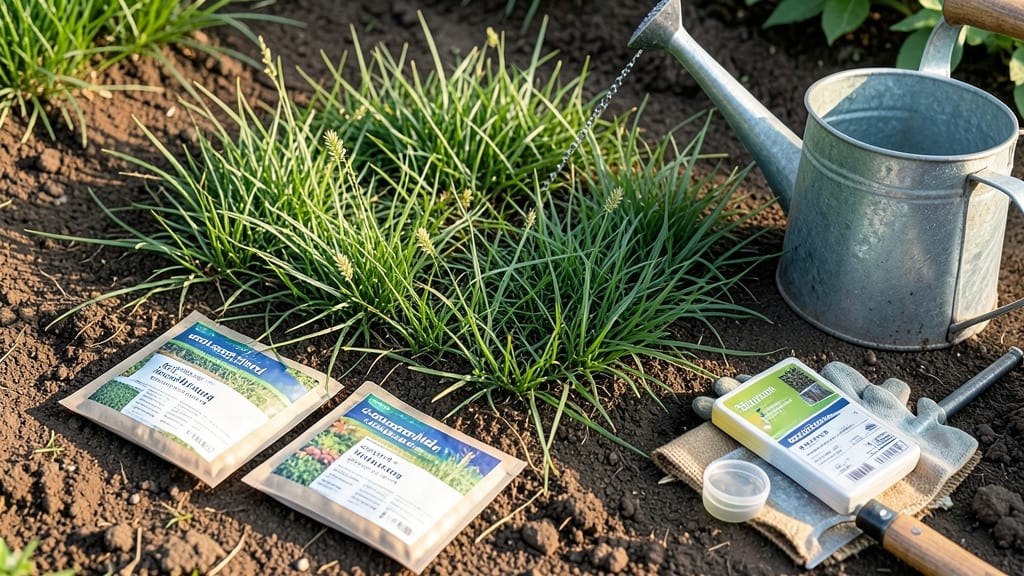
If you’ve ever stared at your patchy Utah lawn wondering when is the best time to plant grass seed, you’re not alone—timing is everything.
The wrong window can mean wasted seed, stunted growth, or even total failure, especially with Utah’s dramatic shifts from freezing high desert mornings to scorching afternoons.
Here’s the kicker: there’s no one-size-fits-all answer. Northern Utah’s 5b zones play by different rules than Southern Utah’s 7b-9a microclimates, where frost dates and soil temps can vary by weeks. But master this, and you’ll unlock fast, lush establishment—no guesswork, just results.
We’re talking early spring (March-April) or early fall (September-October) windows, but with a twist: soil temps must hit 50-65°F and stay there for 4+ weeks. Skip the calendar and focus on these triggers, and you’ll sidestep the most common mistakes Utah gardeners make.
Ready to ditch the trial-and-error? Let’s break down exactly how to read your local microclimate like a pro—and plant your 🌱 grass seed for maximum success, no matter where you live in the Beehive State.
Utah’s ideal grass-seeding windows by microclimate Zone
Utah’s diverse elevations and microclimates create three distinct zones for grass seeding: Northern Utah’s Cold Desert, Southern Utah’s High Desert, and the Wasatch Front’s Urban Heat Island. Each has unique frost dates and soil temperature triggers that dictate the best planting windows.
For Northern Utah (USDA Zone 5b-6a), like Cache Valley or Logan, aim for early spring (March-April) or early fall (September-October). Soil temperatures must stay above 50°F for 4+ weeks—critical for germination.
The last frost typically hits around April 15, while first frosts arrive by October 15.
In Southern Utah (Zones 7b-9a), such as St. George or Moab, late summer (August-September) is ideal. The high desert’s hot, dry summers demand cooler soil temps, and monsoon rains in July-August can trigger early planting.
First frosts here arrive as late as November 15, giving you a longer window.
The Wasatch Front (Zones 6a-7a), including Salt Lake City, blends urban heat with mountain influences. Plant in April-May or September-October, avoiding the heat island effect that bakes soils in summer. Aim for 60°F soil temps—cooler than Northern Utah—to prevent seed stress.
| Zone | Best Planting Windows | Soil Temp Trigger | Last Frost Date | First Frost Date |
|---|---|---|---|---|
| Northern Utah (Cold Desert) | March-April, September-October | 50°F for 4+ weeks | April 15 | October 15 |
| Southern Utah (High Desert) | August-September | 60°F for 3+ weeks | March 15 | November 15 |
| Wasatch Front (Urban Heat) | April-May, September-October | 60°F for 4+ weeks | April 1 | October 30 |
Use a soil thermometer to confirm readiness—50°F+ for cool-season grasses and 60°F+ for warm-season types. In Northern Utah, Tall Fescue thrives when planted in April, while Southern Utah’s Bermuda grass needs the August heat to germinate efficiently.
For high-elevation areas (7,000+ ft), like Park City, delay until late April to avoid late frosts. Meanwhile, low-desert regions (3,000-5,000 ft), such as Cedar City, can start as early as February if soil temps cooperate.
Pro tip: Check the National Weather Service’s frost probability maps for your specific area. A 10% frost risk is your green light to plant—any higher, and you risk seed loss.
Remember, water availability is critical. Southern Utah’s drought-prone soils require consistent moisture post-planting, while Northern Utah’s cooler temps slow evaporation but extend the frost risk window.
🌱
How to adjust planting dates for Utah’s unpredictable weather patterns
Utah’s weather can throw off even the most experienced gardeners. Late spring frosts in Cache Valley or early autumn rains in Moab mean rigid planting windows won’t always work. The key is flexibility—adjusting for soil temperature, precipitation forecasts, and elevation-specific risks like hail or drought.
For example, if your March soil stays below 50°F for weeks, wait until April instead of forcing an early planting.
Always check the National Weather Service’s frost alerts for your area. In Northern Utah (USDA Zone 5b-6a), a May frost isn’t unheard of, so hold off until mid-May if early spring planting feels risky.
Meanwhile, Southern Utah’s high desert (Zone 7b-9a) may see September temperatures still above 80°F, making late summer plantings risky without shade cloth or mulch.
Rain-triggered planting is another Utah-specific strategy. If a 3-inch rain is forecast within 2 weeks of your target date, delay seeding. Excessive moisture can wash seeds away or cause fungal diseases like Pythium. Use a soil moisture meter ($20 at garden centers) to confirm 1-2 inch soil depth stays damp but not soggy before planting.
For high-elevation areas (7,000+ ft), like Park City or the Wasatch Mountains, cool-season grasses like Kentucky Bluegrass thrive when planted in late August to take advantage of cool nights and warm days.
At lower elevations (e.g., St. George), warm-season grasses like Bermuda should wait until mid-May when soil reaches 65°F+ for consistent germination.
Mulching with straw or peat moss (¼ inch thick) can buy you 1-2 weeks of flexibility. This protects seeds from temperature swings and wind erosion, which are common in Utah’s open landscapes.
Just avoid wood chips, which can steal nitrogen as they decompose. Pair mulch with a lightweight row cover if frost warnings appear during germination (typically 7-14 days after planting).
If you miss the primary windows (March-April or September-October), consider overseeding in November for cool-season grasses. The cooler temps and higher humidity reduce stress, and winter rains provide natural watering.
For warm-season grasses, a late August planting can still work if you use drought-tolerant varieties like Buffalograss and irrigate deeply 2x weekly until establishment.
Pro tip: Bookmark the Utah Climate Center’s frost maps (https://climate.usu.edu) and set phone alerts for 72-hour weather forecasts. Utah’s microclimates mean your neighbor’s perfect timing might fail for you—so stay local and flexible.
With the right adjustments, you can turn Utah’s weather quirks into an advantage for a thicker, healthier lawn.
Utah Planting Pitfalls to Avoid
- Planting too early: Seeds rot at below 50°F soil temps.
- Ignoring elevation: 1,000 ft higher = 3°F cooler—adjust dates accordingly.
- Skipping soil tests: Utah’s alkaline soils (pH 7.5+) need gypsum or sulfur.
- Overwatering after germination: Causes seed rot—water lightly until sprouts appear.